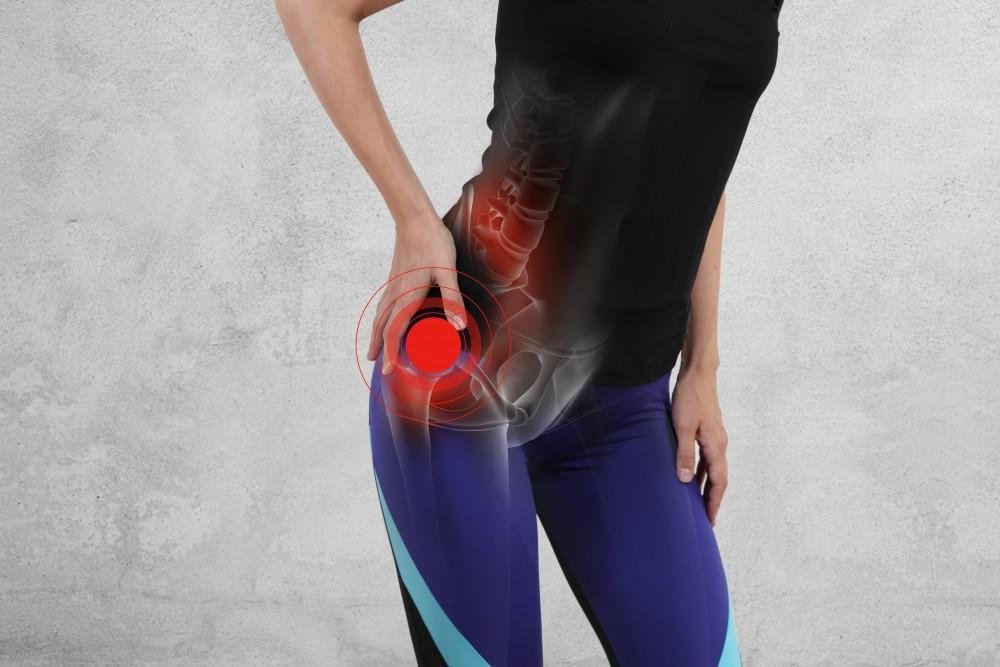
Hip pain becomes increasingly common after age 50, but the cause isn’t always the hip joint itself. Pain may come from muscles, tendons, arthritis, nerves, the lower back, or even posture and movement habits that build up over time.
Some hip pain improves with simple lifestyle changes and exercise, while other cases may require medical treatment. Understanding where the pain is located—and what triggers it—can help identify what may be going on.
Where Is the Pain Actually Located?
The location of hip pain often provides clues about the cause.
Front of the Hip or Groin
Pain here is more commonly linked to:
- Hip joint arthritis
- Cartilage problems
- Hip impingement
Outer Hip
Pain on the outside of the hip often involves:
- Tendons
- Bursitis
- Muscle irritation
Buttock or Back of Hip
Pain in this area may actually come from:
- The lower back
- Nerve irritation
- Muscle tension
Not all “hip pain” originates in the hip joint itself.
Common Causes of Hip Pain After 50
1. Osteoarthritis
Osteoarthritis is one of the most common causes of hip pain in older adults.
This happens when cartilage gradually wears down inside the joint.
Common symptoms:
- Stiffness in the morning
- Pain during walking
- Reduced range of motion
- Groin pain
- Clicking or grinding sensations
Symptoms usually worsen gradually over time.
2. Hip Bursitis
Bursae are small fluid-filled sacs that reduce friction around joints.
When irritated, they can become inflamed, causing:
- Outer hip pain
- Tenderness when lying on one side
- Pain climbing stairs or walking
This condition is often called trochanteric bursitis.
3. Tendon Problems
Tendons around the hip may weaken or become irritated with age and overuse.
This can cause:
- Aching pain
- Weakness
- Discomfort during movement
4. Lower Back Problems Mimicking Hip Pain
Conditions affecting the spine may send pain into the hip or buttock area.
Examples include:
- Sciatica
- Arthritis in the spine
- Herniated discs
Pain may radiate down the leg or worsen with sitting.
5. Muscle Weakness and Tightness
Years of sitting and inactivity may weaken:
- Glutes
- Core muscles
- Hip stabilizers
while tightening:
- Hip flexors
- Hamstrings
This imbalance can stress the hip joint.
6. Hip Fractures
In older adults—especially those with Osteoporosis—falls can lead to hip fractures.
Warning signs include:
- Severe sudden pain
- Difficulty standing or walking
- Inability to bear weight
This requires urgent medical care.
7. Referred Pain From Other Conditions
Sometimes hip pain may be related to:
- Knee problems
- Pelvic conditions
- Nerve compression
The body often shares pain signals between nearby areas.
Symptoms That Suggest Arthritis
Hip arthritis often causes:
- Groin discomfort
- Morning stiffness
- Reduced flexibility
- Difficulty putting on shoes or socks
- Pain after prolonged activity
Some people also limp without realizing it.
When Hip Pain May Be More Serious
Seek medical evaluation if you experience:
- Sudden severe pain
- Fever with joint pain
- Significant swelling
- Inability to walk
- Pain after a fall
- Numbness or weakness in the leg
Persistent pain lasting weeks should also be evaluated.
What Actually Helps Hip Pain
Treatment depends on the underlying cause.
1. Stay Moving—But Avoid Overdoing It
Gentle movement often helps more than prolonged bed rest.
Low-impact activities include:
- Walking
- Swimming
- Cycling
- Water aerobics
Too much inactivity can worsen stiffness.
2. Strengthen Supporting Muscles
Strong muscles reduce stress on the hip joint.
Focus on:
- Glutes
- Core muscles
- Legs
Physical therapy exercises are often highly effective.
3. Improve Mobility and Flexibility
Gentle stretching may improve:
- Hip mobility
- Muscle tightness
- Walking mechanics
4. Manage Weight if Needed
Extra body weight increases stress on joints.
Even modest weight reduction may improve pain and mobility.
5. Use Heat or Ice Strategically
Heat may help:
- Stiffness
- Tight muscles
Ice may help:
- Inflammation
- Pain flare-ups
6. Improve Posture and Reduce Sitting Time
Long periods of sitting may worsen:
- Hip tightness
- Joint stiffness
- Muscle weakness
Frequent movement breaks can help.
7. Medication and Medical Treatments
Depending on the cause, treatment may include:
- Anti-inflammatory medications
- Physical therapy
- Corticosteroid injections
- Joint replacement surgery in severe cases
Hip replacement can significantly improve quality of life for some adults with advanced arthritis.
Can Hip Pain Be Prevented?
Healthy habits can reduce long-term joint stress.
Helpful strategies include:
- Strength training
- Daily walking
- Maintaining mobility
- Preventing falls
- Supporting bone health
Staying active is one of the best long-term protections for joint function.
Bottom Line
Hip pain after 50 is extremely common, but the cause isn’t always obvious. Arthritis, bursitis, tendon problems, muscle weakness, and even lower back issues can all contribute.
The good news is that many cases improve with movement, strengthening, flexibility work, and better daily habits. Persistent, severe, or worsening pain should be evaluated to rule out more serious joint or bone problems and help you stay mobile and independent long term.