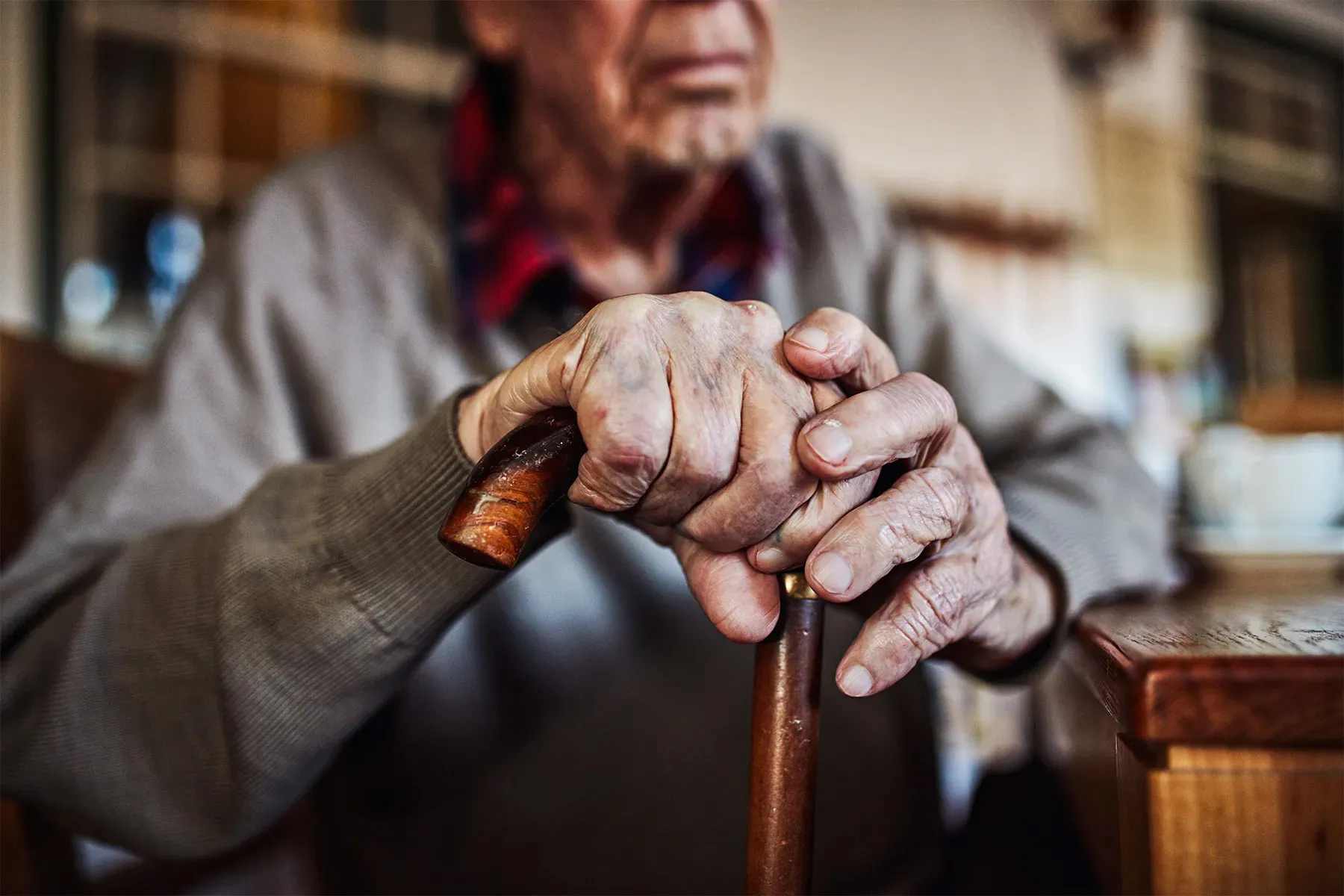
Sarcopenia is the gradual loss of muscle mass, strength, and function that happens as people get older. While many adults assume weakness and reduced mobility are just a normal part of aging, muscle loss can begin surprisingly early—often starting in your 30s and accelerating after 40.
The good news: sarcopenia is not inevitable. Research shows that exercise, nutrition, and lifestyle habits can significantly slow or even partially reverse age-related muscle decline.
What Is Sarcopenia?
Sarcopenia refers to progressive loss of:
- Muscle mass
- Strength
- Physical performance
It becomes more common with age and can increase the risk of:
- Falls
- Frailty
- Loss of independence
- Slower metabolism
The National Institute on Aging notes that muscle strength and function are critical for healthy aging and mobility.
Why Muscle Loss Starts Earlier Than Most People Think
Beginning around age 30–40, adults gradually lose muscle tissue each decade—especially if they are inactive.
This process accelerates due to:
- Lower physical activity
- Hormonal changes
- Reduced protein intake
- Chronic inflammation
- Less efficient muscle repair
Many adults don’t notice it immediately because the changes happen slowly.
Early Signs of Sarcopenia
The first signs are often subtle.
1. Loss of Strength
You may notice:
- Difficulty lifting heavier objects
- Reduced grip strength
- Trouble carrying groceries
Tasks that once felt easy may start feeling harder.
2. Slower Recovery After Activity
Muscles may:
- Feel sore longer
- Recover more slowly after workouts or physical labor
3. Reduced Balance and Stability
Muscle loss affects coordination and mobility, increasing fall risk over time.
4. Lower Energy and Endurance
Less muscle mass can contribute to:
- Fatigue
- Reduced stamina
- Feeling physically weaker
5. Weight Gain Despite No Major Diet Changes
As muscle decreases, metabolism often slows.
This can lead to:
- Increased body fat
- More abdominal weight gain
Even if body weight stays similar, body composition may change significantly.
Why Sarcopenia Matters for Long-Term Health
Muscle is about far more than appearance.
Healthy muscle supports:
- Mobility
- Blood sugar control
- Joint protection
- Bone health
- Metabolism
- Independence later in life
Loss of muscle mass has also been linked to higher risks of:
- Falls and fractures
- Type 2 Diabetes
- Frailty in older adults
What Causes Accelerated Muscle Loss?
Several factors can speed up sarcopenia.
1. Physical Inactivity
Sedentary lifestyles are one of the biggest causes of early muscle decline.
Muscles weaken quickly when not regularly challenged.
2. Low Protein Intake
Many adults—especially older adults—don’t consume enough protein to maintain muscle repair and growth.
3. Hormonal Changes
Aging affects hormones involved in muscle maintenance, including:
- Testosterone
- Estrogen
- Growth hormone
4. Chronic Inflammation
Conditions linked to inflammation may accelerate muscle breakdown.
5. Poor Sleep and Chronic Stress
Sleep is critical for muscle recovery and hormone balance.
How to Slow or Reverse Sarcopenia
The earlier you start, the better.
1. Strength Training Is the Most Effective Tool
Resistance training is considered the foundation of sarcopenia prevention.
Helpful exercises include:
- Squats
- Resistance bands
- Weight training
- Push-ups
- Bodyweight exercises
Even adults in their 60s, 70s, and beyond can build strength with proper training.
2. Increase Protein Intake
Protein helps repair and maintain muscle tissue.
High-quality protein sources include:
- Eggs
- Fish
- Chicken
- Greek yogurt
- Beans and lentils
- Lean meats
Spreading protein throughout the day may support muscle synthesis better than eating most of it at one meal.
3. Stay Physically Active Daily
In addition to strength training:
- Walking
- Climbing stairs
- Mobility exercises
- Balance training
all help preserve physical function.
4. Prioritize Sleep
Poor sleep may reduce muscle recovery and hormone balance.
Aim for:
- Consistent sleep schedules
- Enough nightly sleep for recovery
5. Support Muscle Health Nutritionally
Certain nutrients are important for muscle function, including:
- Vitamin D Deficiency prevention
- Magnesium
- Omega-3 fatty acids
Can You Build Muscle After 40?
Absolutely.
Research consistently shows adults over 40—and even over 70—can:
- Increase muscle strength
- Improve mobility
- Enhance balance and independence
The body still responds to resistance training later in life.
When to Talk to a Doctor
Seek medical evaluation if you notice:
- Significant unexplained weakness
- Frequent falls
- Rapid muscle loss
- Severe fatigue
Sometimes underlying conditions contribute to muscle decline.
Bottom Line
Sarcopenia is a common but often overlooked part of aging that can begin as early as your 40s. The gradual loss of muscle affects strength, metabolism, balance, and long-term health.
The most effective way to fight back is through regular strength training, adequate protein, daily movement, and healthy recovery habits. Building and preserving muscle isn’t just about fitness—it’s one of the most important investments you can make for healthy aging and independence later in life.