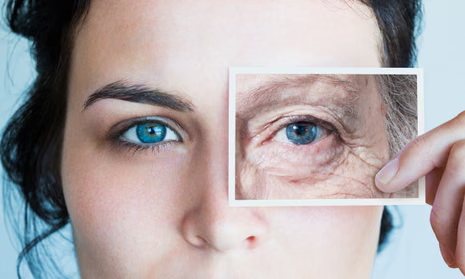
Most people know their chronological age: the number of years since they were born. But researchers are increasingly focused on another concept called Biological Age, which may better reflect how healthy and resilient the body actually is.
Two people can both be 55 years old chronologically while having very different biological ages depending on lifestyle, genetics, stress, disease risk, sleep, and overall health habits.
Biological age aims to estimate how “old” your body behaves internally—not just how many birthdays you’ve had.
Chronological Age vs Biological Age
Chronological Age
This is:
- Your actual age in years
- Fixed and unchangeable
Everyone ages chronologically at the same speed.
Biological Age
Biological age reflects:
- Cellular health
- Organ function
- Physical fitness
- Metabolic health
- Inflammation levels
Some people biologically age faster than others.
A lower biological age compared to your chronological age generally suggests healthier aging.
Why Biological Age Matters
Researchers believe biological age may predict:
- Disease risk
- Physical function
- Longevity
- Cognitive decline
- Recovery ability
more accurately than chronological age alone.
Factors associated with accelerated biological aging include:
- Smoking
- Physical inactivity
- Poor sleep
- Chronic stress
- Obesity
- Chronic disease
Signs Your Biological Age May Be Higher Than Your Chronological Age
Possible clues include:
- Low energy
- Poor sleep
- High blood pressure
- Reduced strength
- Slow recovery
- Increased belly fat
- Frequent illness
- Limited mobility
These signs don’t prove accelerated aging alone, but they may reflect declining resilience.
What Influences Biological Aging?
Aging is affected by both genetics and lifestyle.
1. Physical Activity
Regular exercise is strongly associated with healthier aging.
Especially important:
- Strength training
- Walking
- Cardiovascular fitness
- Mobility work
Exercise helps protect:
- Muscles
- Brain function
- Heart health
- Metabolism
2. Sleep Quality
Poor sleep is linked to:
- Increased inflammation
- Higher stress hormones
- Cognitive decline
- Faster aging markers
Consistent restorative sleep matters more with age.
3. Nutrition
Diets high in:
- Ultra-processed foods
- Excess sugar
- Trans fats
may contribute to inflammation and metabolic dysfunction.
Longevity-focused diets typically emphasize:
- Vegetables
- Fiber
- Protein
- Healthy fats
- Whole foods
4. Chronic Stress
Long-term stress may accelerate biological wear and tear through elevated cortisol and inflammation.
Stress management supports healthier aging.
5. Smoking and Alcohol
Smoking significantly accelerates biological aging and disease risk.
Heavy alcohol use may also negatively affect:
- Liver health
- Brain function
- Sleep
- Cellular repair
6. Muscle Mass and Strength
Loss of muscle with age, known as Sarcopenia, is closely tied to frailty and aging.
Maintaining strength is one of the strongest predictors of healthy aging.
How Is Biological Age Measured?
There is no single perfect test, but several methods are used.
1. Blood Biomarkers
Some biological age calculators analyze:
- Cholesterol
- Blood sugar
- Inflammation markers
- Kidney and liver function
These measurements can reflect overall physiological health.
2. Fitness and Mobility
Physical performance often predicts aging well.
Measures may include:
- Grip strength
- Walking speed
- Balance
- Cardiovascular fitness
Lower physical function is associated with faster aging.
3. Body Composition
Muscle mass and body fat distribution matter more than weight alone.
Excess abdominal fat is linked to:
- Type 2 Diabetes
- Heart disease
- Inflammation
4. Epigenetic Testing
Some newer tests examine DNA methylation patterns associated with aging.
These are sometimes called “epigenetic clocks.”
Research in this field is growing rapidly, though testing can be expensive and interpretation is still evolving.
5. Organ and Metabolic Health
Doctors may also assess:
- Blood pressure
- Insulin sensitivity
- Heart health
- Bone density
- Cognitive function
These all contribute to healthy aging.
Can Biological Age Improve?
In many cases, yes.
Research suggests healthy lifestyle changes may positively affect biological aging markers over time.
Helpful habits include:
- Strength training
- Walking regularly
- Improving sleep
- Managing stress
- Eating more whole foods
- Quitting smoking
- Maintaining social connection
Small consistent habits matter more than extreme “anti-aging” routines.
What Science Still Doesn’t Know
Biological age testing is an evolving field.
Current limitations:
- Different tests may give different results
- No universal standard exists yet
- Genetics still play a major role
Biological age should be viewed as an estimate—not an exact number.
Healthy Aging Is About Function, Not Just Appearance
Many people focus only on looking younger, but longevity science increasingly focuses on:
- Strength
- Mobility
- Cognitive function
- Energy
- Independence
The goal is improving healthspan—the number of years you stay healthy and active—not just lifespan.
Bottom Line
Chronological age measures how long you’ve lived. Biological age estimates how well your body is functioning internally compared to your actual age.
While genetics matter, daily habits strongly influence how quickly the body ages. Regular movement, strength training, good sleep, stress management, healthy nutrition, and avoiding smoking remain some of the most powerful ways to support healthier biological aging over time.