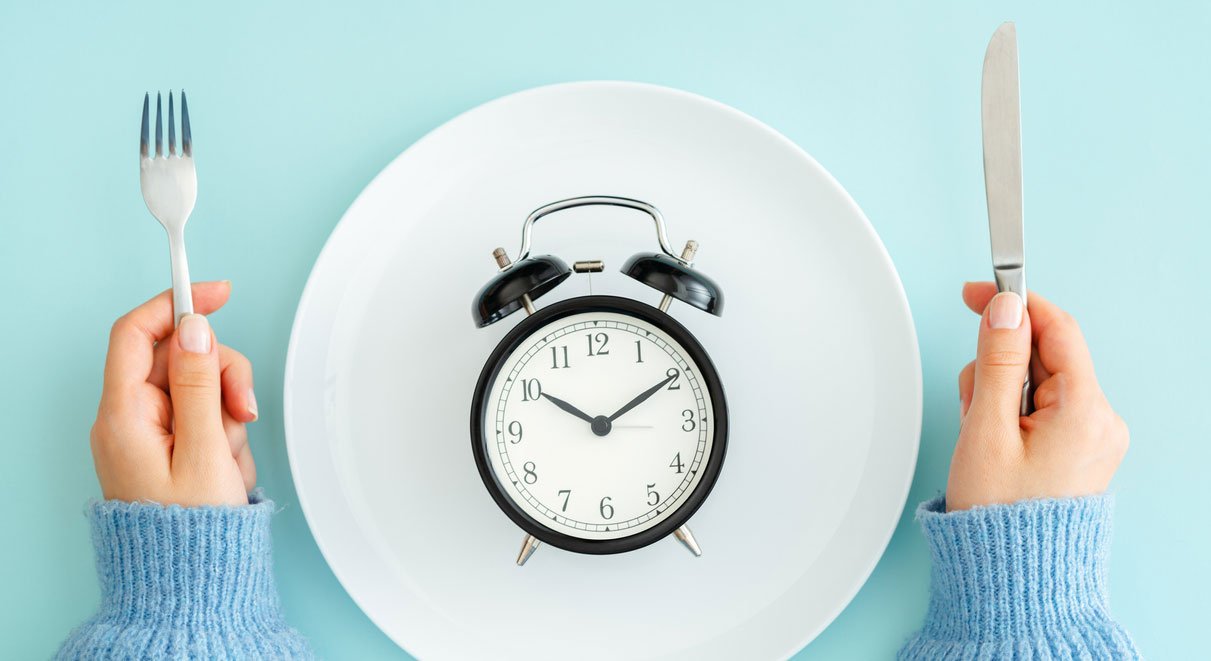
Intermittent Fasting has become one of the most popular nutrition trends in America, especially among adults looking to lose weight, improve blood sugar, or support healthy aging.
After 50, however, the body changes in important ways. Muscle mass naturally declines, metabolism slows, hormones shift, and recovery becomes more important. Because of this, intermittent fasting may help some older adults—but may not be appropriate for everyone.
The key is understanding both the potential benefits and the possible downsides before trying it.
What Is Intermittent Fasting?
Intermittent fasting (IF) focuses on when you eat rather than exactly what you eat.
Common approaches include:
16:8 Method
- Fast for 16 hours
- Eat during an 8-hour window
12:12 Method
- 12 hours fasting
- 12 hours eating
Alternate-Day or 5:2 Fasting
- Reduced calorie intake on certain days
Many adults over 50 prefer gentler approaches rather than extreme fasting schedules.
Potential Benefits of Intermittent Fasting After 50
Some research suggests intermittent fasting may support metabolic health when done carefully.
1. Improved Blood Sugar and Insulin Sensitivity
Intermittent fasting may help some adults improve:
- Blood sugar control
- Insulin sensitivity
This may reduce risk for:
- Type 2 Diabetes
- Insulin Resistance
especially when combined with healthier eating habits.
2. Weight Management
Restricting eating windows may help some people naturally reduce calorie intake.
This can support:
- Fat loss
- Reduced abdominal weight gain
- Metabolic health
However, results vary significantly between individuals.
3. Better Eating Structure
Some adults find intermittent fasting simplifies eating habits by:
- Reducing late-night snacking
- Encouraging more mindful meals
- Improving routine consistency
4. Possible Cellular and Longevity Benefits
Researchers are studying whether fasting may influence:
- Inflammation
- Cellular repair processes
- Aging-related pathways
Animal research is promising, but long-term human data is still developing.
5. Heart Health Improvements
Some studies suggest intermittent fasting may help improve:
- Blood pressure
- Cholesterol
- Triglycerides
particularly when weight loss occurs.
Risks of Intermittent Fasting After 50
Fasting is not automatically healthy for everyone—especially older adults with certain health concerns.
1. Muscle Loss Risk
After 50, adults naturally become more vulnerable to:
- Sarcopenia
If fasting leads to:
- Too little protein intake
- Undereating
- Skipping strength training
muscle loss may worsen.
Preserving muscle is one of the most important health priorities with aging.
2. Low Energy or Dizziness
Some adults experience:
- Fatigue
- Lightheadedness
- Brain fog
- Weakness
especially during longer fasting windows.
3. Increased Risk of Nutrient Deficiencies
Smaller eating windows may make it harder to consume enough:
- Protein
- Fiber
- Calcium
- Vitamins and minerals
This is particularly important after 50 for bone and muscle health.
4. Blood Sugar Problems in Certain People
People with:
- Diabetes
- Blood sugar disorders
- Certain medications
may experience dangerous blood sugar drops while fasting.
Medical supervision may be necessary.
5. Sleep Problems or Stress Hormone Effects
For some people, fasting may increase:
- Stress hormones
- Irritability
- Sleep disruption
especially if calorie intake becomes too restrictive.
Who Should Avoid Intermittent Fasting or Use Caution?
Intermittent fasting may not be appropriate for everyone.
Talk with a healthcare professional before trying it if you have:
- Type 2 Diabetes requiring medication
- History of eating disorders
- Frailty or low body weight
- Advanced kidney disease
- Significant muscle loss
- Chronic illness affecting nutrition
Older adults recovering from illness or surgery may also need more consistent nutrition.
Women Over 50 and Fasting
Hormonal shifts after menopause may affect how women respond to fasting.
Some women tolerate fasting well, while others experience:
- Fatigue
- Mood changes
- Increased hunger
- Sleep disruption
Moderate fasting approaches often work better than aggressive restriction.
How to Fast More Safely After 50
If you choose to try intermittent fasting, a balanced approach is usually safest.
1. Prioritize Protein
Protein intake becomes increasingly important with age.
Aim to include protein at meals such as:
- Eggs
- Fish
- Greek yogurt
- Chicken
- Beans and lentils
This helps support muscle maintenance.
2. Don’t Skip Strength Training
Resistance training is critical to protect muscle and bone health while aging.
3. Start With Gentler Fasting Windows
A 12-hour overnight fast may be more sustainable and lower risk than extreme fasting schedules.
4. Stay Hydrated
Dehydration becomes more common with age and may worsen fasting side effects.
5. Avoid Extreme Calorie Restriction
The goal should be metabolic health—not chronic undereating.
Too few calories may increase:
- Fatigue
- Muscle loss
- Nutritional deficiencies
6. Pay Attention to How You Feel
Stop or adjust fasting if you experience:
- Persistent weakness
- Dizziness
- Sleep problems
- Obsessive food thoughts
- Unintended excessive weight loss
What Longevity Research Actually Suggests
Many long-lived populations naturally follow patterns similar to moderate time-restricted eating:
- Smaller evening meals
- Less snacking
- Earlier dinners
However, they also prioritize:
- Daily movement
- Social connection
- Whole foods
- Consistent routines
Fasting alone is not a magic solution for healthy aging.
Bottom Line
Intermittent fasting after 50 may help some adults improve blood sugar control, weight management, and eating habits. But it also carries risks—especially related to muscle loss, low energy, and inadequate nutrition.
After 50, the focus should shift from aggressive dieting toward preserving muscle, supporting metabolic health, and maintaining long-term strength and mobility. A moderate, sustainable approach guided by your individual health needs is usually the safest path.