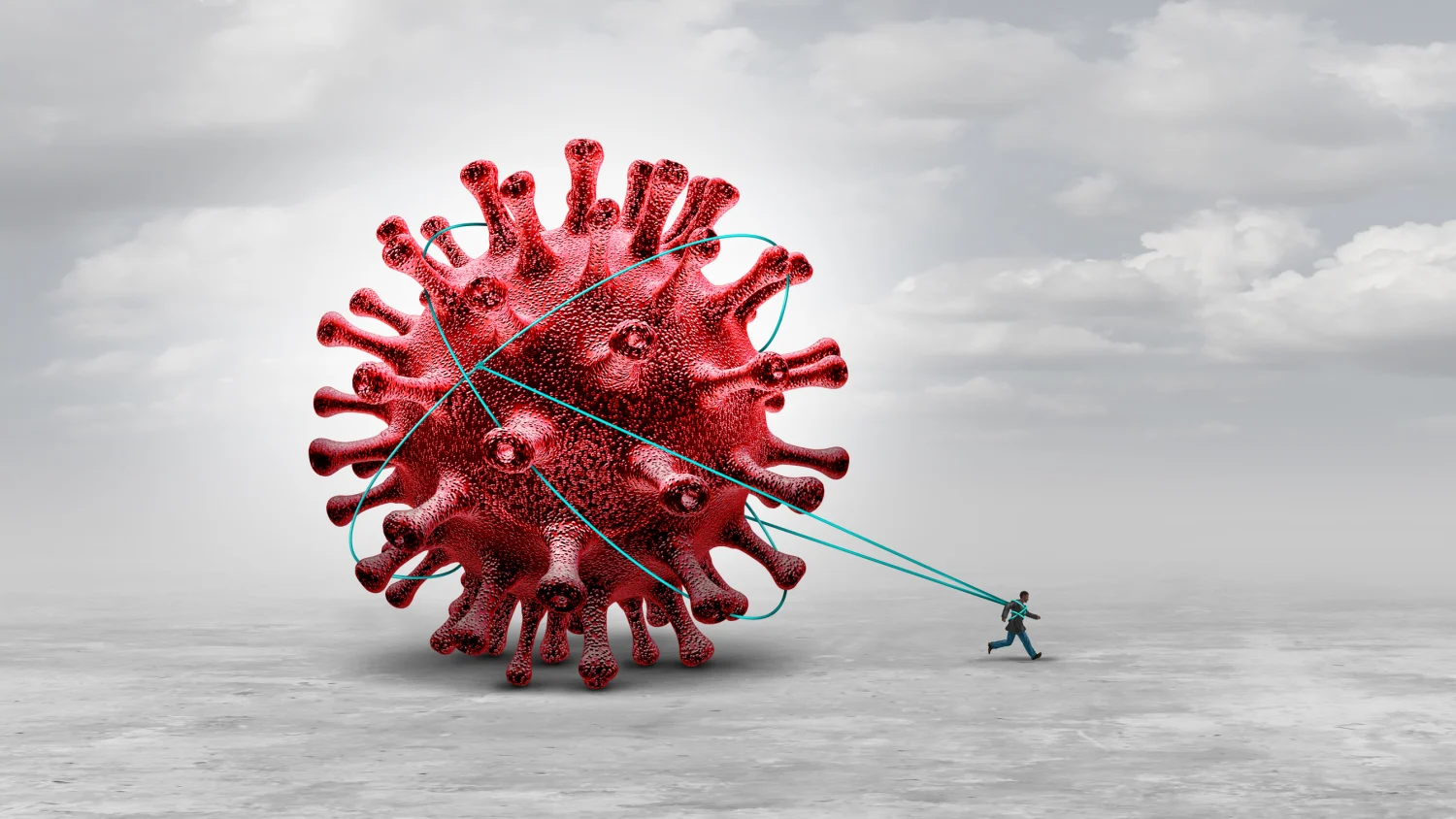
More than six years after the pandemic began, Long COVID remains a major health issue for millions of people worldwide. While severe COVID hospitalizations are far less common than in 2020–2021, many survivors continue dealing with lingering symptoms that affect energy, memory, breathing, work, and daily life.
By 2026, researchers understand far more about Long COVID than they did early in the pandemic—but many questions remain unanswered, especially around why some people recover while others remain sick for years.
What Is Long COVID?
The Centers for Disease Control and Prevention defines Long COVID as symptoms or health problems that continue for at least 3 months after a COVID-19 infection. Symptoms may:
- Persist continuously
- Come and go
- Improve and then relapse later
Long COVID can affect multiple body systems at once.
The Most Common Symptoms in 2026
Researchers have identified more than 200 possible symptoms linked to Long COVID, though several patterns appear repeatedly across studies.
1. Extreme Fatigue
Persistent exhaustion remains one of the most reported symptoms.
Many survivors describe:
- Feeling drained after minor activity
- Needing long recovery periods
- Worsening symptoms after physical or mental effort
This crash-like response is often called post-exertional malaise (PEM).
2. Brain Fog and Cognitive Problems
Many people still report:
- Trouble concentrating
- Memory problems
- Slower thinking
- Difficulty multitasking
Some survivors say symptoms interfere with work, school, and everyday functioning.
3. Shortness of Breath and Chest Symptoms
Respiratory symptoms continue to affect many survivors, including:
- Breathlessness
- Chest discomfort
- Chronic cough
- Heart palpitations
These symptoms may persist even in people who were never hospitalized initially.
4. Nervous System and Autonomic Symptoms
Some people experience nervous system dysfunction affecting:
- Heart rate
- Blood pressure
- Dizziness when standing
- Temperature regulation
Symptoms overlapping with conditions like Postural Orthostatic Tachycardia Syndrome are still being studied.
5. Sleep Problems and Mental Health Effects
Long COVID survivors frequently report:
- Insomnia
- Poor sleep quality
- Anxiety
- Depression
Chronic illness itself may worsen emotional stress and isolation.
6. Muscle and Joint Pain
Persistent body pain remains common, including:
- Muscle aches
- Joint discomfort
- Weakness
- Exercise intolerance
Some patients describe symptoms resembling chronic fatigue syndromes or fibromyalgia-like conditions.
What Scientists Think May Be Causing Long COVID
Researchers still do not believe there is one single cause.
Current leading theories include:
- Persistent immune system activation
- Chronic inflammation
- Viral remnants remaining in the body
- Nervous system dysfunction
- Blood vessel abnormalities
- Autoimmune responses
Newer research in 2025–2026 continues investigating immune exhaustion and inflammatory pathways linked to persistent symptoms.
Is Long COVID Still Common in 2026?
Yes.
While individual risk appears lower now than during earlier pandemic waves, Long COVID has not disappeared.
CDC tracking programs continue monitoring millions of Americans reporting ongoing symptoms.
Some studies suggest:
- Vaccination reduces risk
- Severe infections increase risk
- Earlier variants may have caused more severe Long COVID on average
But even mild infections can still lead to persistent symptoms.
How Long Can Symptoms Last?
Recovery timelines vary enormously.
Some people improve within months, while others continue experiencing symptoms for years. The CDC notes that symptoms may persist for “months or years” in some patients.
A 2025 meta-analysis found a meaningful percentage of survivors still had symptoms 3 years later, especially fatigue, sleep issues, and shortness of breath.
Who Appears to Be Most at Risk?
Research suggests higher risk among:
- Women
- People with severe initial infections
- Unvaccinated individuals
- People with underlying health conditions
However, healthy younger adults can also develop Long COVID.
Is There a Cure Yet?
As of 2026, there is still no single approved cure for Long COVID.
Treatment currently focuses on:
- Symptom management
- Physical rehabilitation
- Sleep support
- Cardiovascular evaluation
- Mental health care
- Gradual activity pacing
Researchers continue studying targeted treatments through major programs like the NIH RECOVER initiative.
Why Long COVID Remains Controversial for Some Patients
Many survivors report difficulty:
- Getting diagnosed
- Being taken seriously
- Accessing specialists
Because symptoms vary widely and standard lab tests may appear normal, some patients still experience delays in care. The CDC acknowledges that Long COVID symptoms can be difficult to explain or diagnose.
What Helps Some Survivors Manage Symptoms
Management strategies vary depending on symptoms but may include:
- Pacing activity carefully
- Improving sleep quality
- Physical therapy
- Hydration and nutrition support
- Treating related conditions individually
Many experts now caution against aggressive exercise programs for patients with severe fatigue or post-exertional crashes.
Bottom Line
Long COVID remains a significant health issue in 2026, with many survivors still experiencing fatigue, brain fog, breathing problems, nervous system symptoms, and reduced quality of life years after infection.
While research has advanced substantially, scientists are still working to fully understand why Long COVID happens and how to treat it effectively. What is increasingly clear is that Long COVID is a real, complex, multi-system condition—not simply stress or deconditioning—and many survivors continue needing ongoing medical support and recognition.