Cold Water Therapy has exploded in popularity in recent years, with athletes, wellness influencers, and biohacking enthusiasts promoting ice baths and cold plunges for everything from recovery and energy to mental toughness and longevity.
But what does science actually support—and what’s mostly hype?
Research suggests cold water exposure may offer some real benefits for certain people, particularly around alertness, inflammation, and exercise recovery. However, it also carries risks, especially for older adults or people with heart conditions.
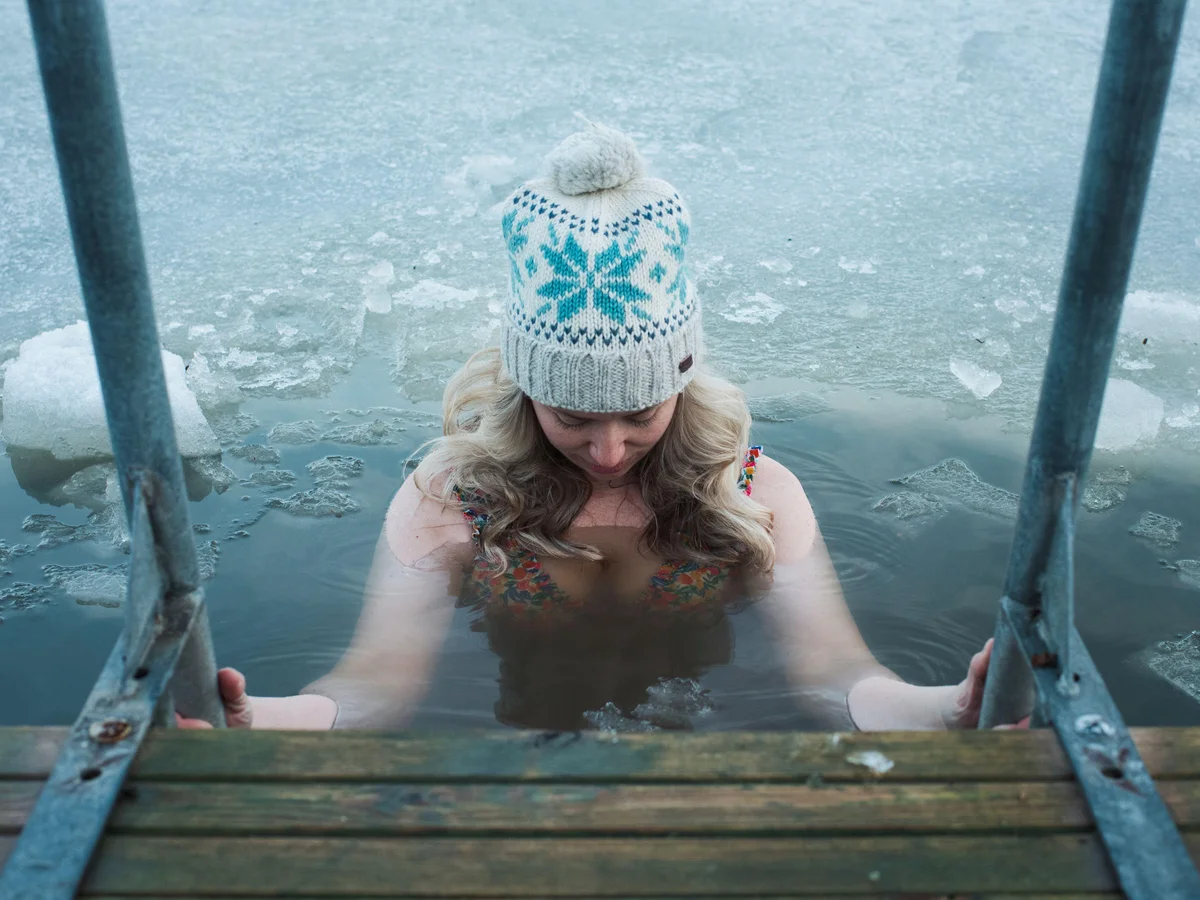
What Is a Cold Plunge?
A cold plunge usually involves immersing the body in cold water for a short period.
Typical temperatures range from:
- 50–59°F (10–15°C)
Sessions often last:
- 2–10 minutes
Cold exposure may include:
- Ice baths
- Cold showers
- Cold-water swimming
What Happens to the Body During Cold Exposure?
Cold water triggers a strong stress response.
The body reacts by:
- Narrowing blood vessels
- Increasing heart rate temporarily
- Releasing stress hormones like adrenaline
- Activating the nervous system
This intense response explains why cold plunges often feel energizing.
Potential Benefits Supported by Research
1. Reduced Muscle Soreness After Exercise
Cold water immersion may help reduce:
- Muscle soreness
- Exercise-related inflammation
This is why many athletes use ice baths after intense training.
Cold therapy may be especially helpful after:
- High-intensity workouts
- Endurance events
- Competitive sports
However, regular cold plunges immediately after strength training might slightly reduce muscle-building adaptations in some situations.
2. Increased Alertness and Energy
Many people report feeling:
- More awake
- Mentally sharper
- Energized
Cold exposure activates the sympathetic nervous system and may temporarily increase adrenaline and dopamine levels.
3. Possible Mood Benefits
Some small studies suggest cold exposure may improve:
- Mood
- Stress resilience
- Mental well-being
The intense sensory experience may activate brain pathways related to alertness and emotional regulation.
However, cold plunges are not a replacement for mental health treatment.
4. Reduced Inflammation
Cold therapy may temporarily reduce inflammation and swelling in certain situations.
This can help with:
- Acute sports recovery
- Minor injuries
- Temporary soreness
Chronic inflammation is more complex and cannot be “cured” by cold exposure alone.
5. Improved Stress Tolerance
Some proponents believe controlled cold exposure may help people become more comfortable handling physical stress.
This concept is sometimes called hormesis—a mild stressor that may strengthen resilience.
Research is ongoing.
Claims That Need More Evidence
Some popular cold plunge claims are not yet strongly proven in humans.
Evidence remains limited or mixed regarding:
- Major longevity benefits
- Significant fat burning effects
- Immune “boosting” claims
- Testosterone increases
- Dramatic metabolic improvements
Social media often exaggerates these effects.
Risks of Cold Plunges
Cold water therapy is not risk-free.
1. Sudden Blood Pressure and Heart Stress
Cold water can sharply increase:
- Heart rate
- Blood pressure
This may be dangerous for people with:
- Heart Disease
- High blood pressure
- Arrhythmias
In rare cases, cold shock can trigger serious cardiac events.
2. Breathing Reactions
Sudden immersion may cause:
- Gasping
- Hyperventilation
- Panic sensations
This can become dangerous in deep water.
3. Hypothermia Risk
Prolonged exposure can lower body temperature excessively.
Symptoms may include:
- Shivering
- Confusion
- Numbness
- Loss of coordination
4. Injury Risk in Older Adults
Adults over 50 with:
- Poor circulation
- Neuropathy
- Joint problems
should use caution with extreme cold exposure.
Who Should Avoid Cold Plunges or Talk to a Doctor First?
Cold plunges may not be safe for everyone.
Use caution or seek medical advice if you have:
- Heart Disease
- Uncontrolled high blood pressure
- Raynaud’s phenomenon
- Severe circulation problems
- History of stroke
- Respiratory conditions
Never attempt extreme cold exposure alone if you have underlying health concerns.
How to Try Cold Water Therapy More Safely
If you want to experiment with cold exposure, moderation is important.
1. Start Gradually
Begin with:
- Cool showers
- Shorter exposure times
- Less extreme temperatures
Avoid jumping immediately into ice baths.
2. Keep Sessions Short
Most benefits appear to occur with brief exposure.
Longer is not necessarily better.
3. Focus on Breathing
Slow controlled breathing may help reduce panic responses during cold exposure.
4. Avoid Alcohol Before Cold Exposure
Alcohol impairs temperature regulation and increases risk.
5. Warm Up Naturally Afterwards
Allow the body to gradually return to normal temperature.
Cold Plunges and Aging
Some adults over 50 use cold exposure for:
- Recovery
- Energy
- Joint discomfort
- Mental resilience
However, aging changes how the body responds to stress and temperature extremes. Safety becomes increasingly important with age.
Are Cold Showers Enough?
For many people, yes.
Cold showers may provide:
- Alertness benefits
- Mild stress adaptation
- Easier accessibility
without the intensity of full cold immersion.
Bottom Line
Cold water therapy may offer real benefits for exercise recovery, alertness, mood, and short-term inflammation reduction. However, many popular claims around anti-aging, metabolism, and dramatic health transformation remain overstated or still under investigation.
Cold plunges are a physical stressor—not automatically healthy for everyone. People with heart or circulation issues should be especially cautious. For most adults, moderate and safe cold exposure is likely more beneficial than extreme approaches.