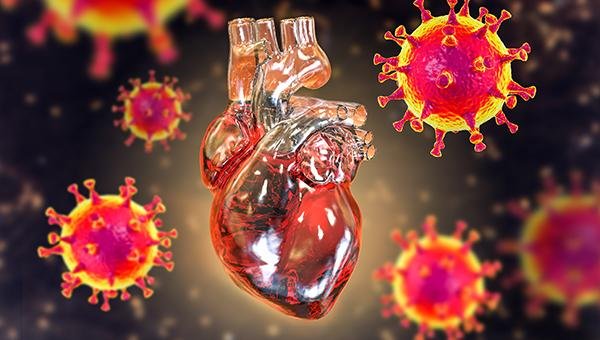
Years after the start of the pandemic, researchers are still studying how COVID-19 affects long-term cardiovascular health. While most people recover without serious complications, evidence now shows that some survivors face elevated risks of heart and blood vessel problems months or even years after infection.
The risk appears highest in people who had severe illness, but studies suggest even mild cases may increase cardiovascular risk in certain individuals.
Understanding these risks can help people recognize symptoms early and prioritize long-term heart health after infection.
Why COVID Can Affect the Heart
COVID is more than a respiratory illness.
The virus and immune response can affect:
- Blood vessels
- Inflammation pathways
- Blood clotting systems
- Heart muscle tissue
Researchers believe this combination may contribute to ongoing cardiovascular complications in some survivors.
What Studies Have Found About Long-Term Cardiac Risk
Large studies since 2022 have linked prior COVID infection with increased risk of several cardiovascular conditions.
Research has found elevated rates of:
- Heart Attack
- Stroke
- Heart rhythm abnormalities
- Blood clots
- Heart Failure
particularly during the months following infection.
Some risks appear to decline over time, while others may persist longer in vulnerable groups.
1. Inflammation and Blood Vessel Damage
COVID may trigger widespread inflammation affecting:
- Blood vessels
- Circulation
- Endothelial function (the lining of blood vessels)
This may increase risk for:
- Clotting problems
- Reduced blood flow
- Cardiovascular strain
Inflammation is believed to play a major role in lingering symptoms.
2. Myocarditis and Heart Muscle Inflammation
Some COVID patients developed:
- Myocarditis
This condition involves inflammation of the heart muscle and may cause:
- Chest pain
- Shortness of breath
- Palpitations
- Fatigue
Myocarditis appears uncommon overall but received significant attention during the pandemic due to concerns in younger adults and athletes.
3. Increased Risk of Blood Clots
COVID can affect blood clotting systems.
Some patients developed:
- Deep vein thrombosis (DVT)
- Pulmonary embolism
- Stroke-related clotting events
Risk is highest during and shortly after infection, especially after severe illness or hospitalization.
4. Heart Rhythm Problems
Some survivors continue reporting:
- Palpitations
- Rapid heartbeat
- Irregular heart rhythms
Researchers are still studying how much these symptoms relate to:
- Nervous system dysfunction
- Inflammation
- Heart tissue effects
5. Long COVID and Cardiovascular Symptoms
Many people with Long COVID report:
- Chest discomfort
- Exercise intolerance
- Racing heart rate
- Dizziness
Some symptoms may involve autonomic nervous system dysfunction rather than structural heart damage alone.
Who Appears Most at Risk?
Higher long-term cardiac risk appears more common in:
- Older adults
- People with severe infections
- Individuals with obesity
- Patients with diabetes or hypertension
- Those with preexisting cardiovascular disease
However, younger and previously healthy individuals have also experienced post-COVID heart symptoms.
Does Vaccination Reduce Cardiac Risk?
Evidence suggests vaccination lowers risk of:
- Severe COVID
- Hospitalization
- Some Long COVID complications
Reducing infection severity may indirectly lower cardiovascular complications as well.
Common Symptoms That Shouldn’t Be Ignored
Seek medical evaluation for symptoms such as:
- Chest pain
- Shortness of breath
- Fainting
- New palpitations
- Leg swelling
- Severe exercise intolerance
These symptoms may or may not be related to prior COVID, but they deserve attention.
How Long Does Elevated Risk Last?
Research is ongoing.
Some studies suggest cardiovascular risk is highest:
- During active infection
- In the first several months afterward
Other studies suggest some elevated risks may continue longer in certain populations.
Scientists are still determining:
- Which patients fully recover
- Which symptoms become chronic
- How much risk remains years later
What Doctors May Evaluate
Depending on symptoms, evaluation may include:
- Blood pressure
- Electrocardiogram (ECG)
- Echocardiogram
- Blood tests
- Stress testing
- Holter monitoring
Testing depends on symptom severity and medical history.
Protecting Heart Health After COVID
Most experts recommend focusing on overall cardiovascular health.
Helpful habits include:
- Regular physical activity (as tolerated)
- Managing blood pressure
- Controlling diabetes and cholesterol
- Avoiding smoking
- Getting enough sleep
- Maintaining healthy weight
People recovering from Long COVID or severe fatigue may need gradual return-to-exercise approaches.
Exercise After COVID: Why Gradual Recovery Matters
Some survivors recover quickly, while others worsen symptoms by pushing too hard too soon.
If symptoms persist:
- Increase activity gradually
- Stop if severe fatigue or chest symptoms occur
- Seek medical advice before intense exercise
This is especially important after myocarditis or significant cardiac symptoms.
What Researchers Still Don’t Fully Know
Despite years of study, important questions remain:
- Why some people develop long-term complications
- How long elevated cardiovascular risk lasts
- Whether repeated infections increase cumulative risk
- Which treatments work best for Long COVID heart symptoms
Research continues evolving rapidly.
Bottom Line
COVID-19 can affect more than the lungs. Research now shows some survivors face increased risks of cardiovascular problems including inflammation, blood clots, heart rhythm issues, and Long COVID-related symptoms.
While most people recover without major long-term heart complications, persistent chest pain, shortness of breath, palpitations, or exercise intolerance should not be ignored. Protecting overall heart health and seeking medical evaluation for concerning symptoms remain important even years after infection.