Shingles is a painful viral infection that can affect adults later in life—often years or decades after having chickenpox. While many people think of shingles as “just a rash,” it can sometimes lead to severe nerve pain, vision problems, or long-term complications that significantly affect quality of life.
That’s why health experts strongly recommend the shingles vaccine for older adults and certain higher-risk individuals.
The good news is that modern shingles vaccines are highly effective at reducing both shingles and its most serious complications.
What Causes Shingles?
Shingles is caused by the same virus responsible for chickenpox:
- Varicella-zoster virus
After someone recovers from chickenpox, the virus remains inactive in nerve tissue for life.
Years later, the virus can reactivate as shingles—especially when immunity weakens with age.
What Does Shingles Feel Like?
Shingles often starts with:
- Burning or tingling pain
- Sensitivity to touch
- Itching or numbness
A painful rash usually appears afterward, often on:
- One side of the body
- Chest or torso
- Face
Some people develop:
- Fever
- Fatigue
- Headache
The pain can be severe.
The Biggest Complication: Long-Term Nerve Pain
One major reason vaccination matters is the risk of:
- Postherpetic Neuralgia
This condition causes persistent nerve pain that can last:
- Months
- Sometimes years
Older adults are at much higher risk.
Who Should Get the Shingles Vaccine?
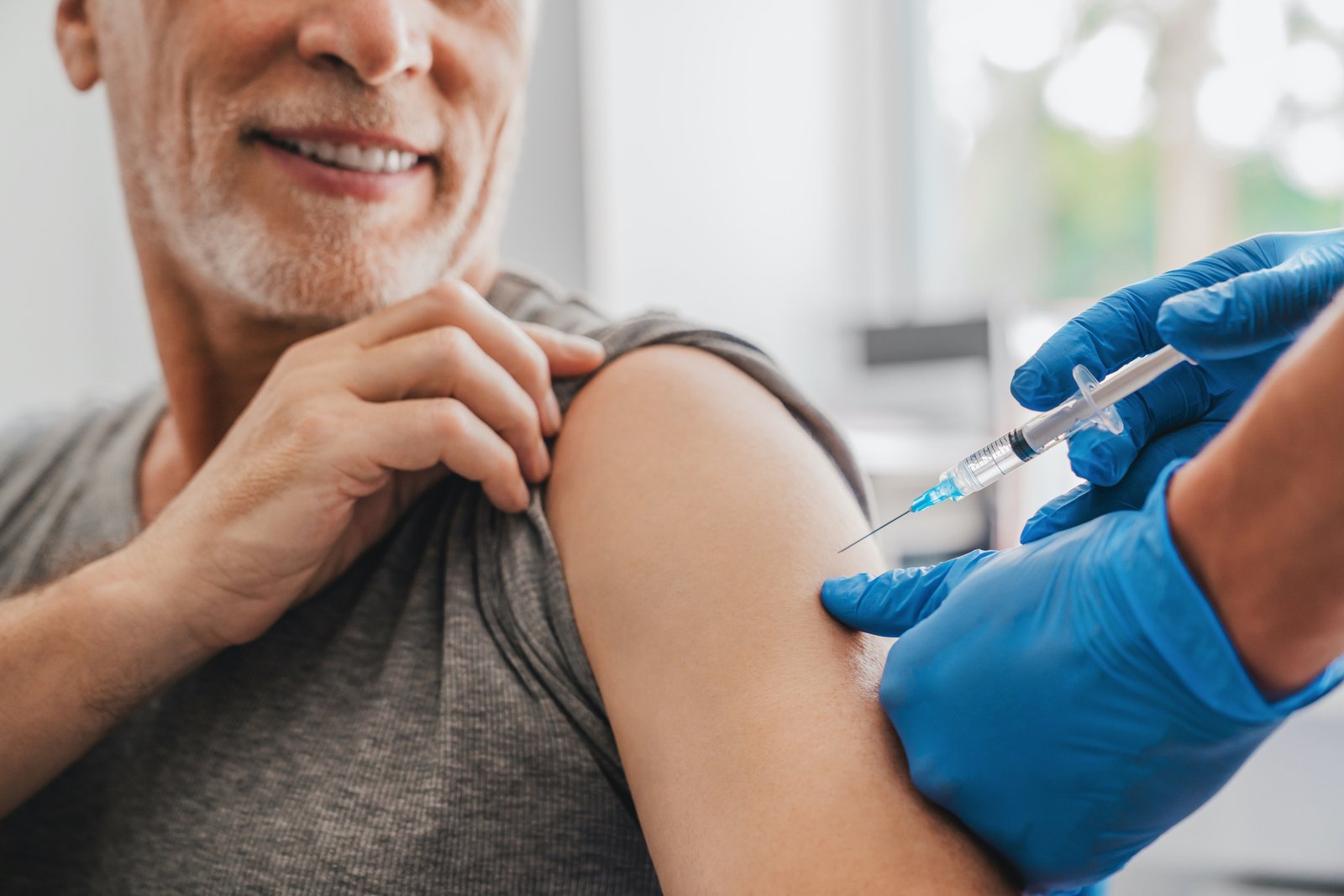
The Centers for Disease Control and Prevention recommends the current shingles vaccine for:
Adults Age 50 and Older
Even healthy adults should get vaccinated because risk increases significantly with age.
Adults 19 and Older With Weakened Immune Systems
This may include people with:
- Cancer treatment
- Organ transplants
- Immune-suppressing medications
- Certain chronic illnesses
What Vaccine Is Used in the United States?
The primary vaccine used is:
- Shingrix
It is given as:
- Two doses
- Usually 2–6 months apart
Shingrix replaced older shingles vaccines because it provides stronger and longer-lasting protection.
How Effective Is the Vaccine?
Shingrix is highly effective.
Studies found it significantly reduces risk of:
- Shingles
- Postherpetic neuralgia
Protection remains strong for years after vaccination.
Even if someone eventually develops shingles after vaccination, symptoms are often milder.
What Happens If You Skip the Vaccine?
Not everyone who had chickenpox develops shingles—but risk rises with age.
Without vaccination:
- Shingles risk increases over time
- Complication risk rises after 50
- Severe nerve pain becomes more likely
Some people experience pain severe enough to interfere with:
- Sleep
- Work
- Daily activities
Shingles affecting the eye can even threaten vision in rare cases.
Can You Get Shingles More Than Once?
Yes.
Having shingles once does not guarantee lifelong protection.
Vaccination is still recommended even if you previously had shingles.
What If You Already Had Chickenpox?
Most adults born before widespread chickenpox vaccination likely had prior exposure—even if they don’t remember it.
That means the virus may still remain dormant in the body.
Common Side Effects of the Vaccine
Temporary side effects are common because the vaccine strongly activates the immune system.
Possible side effects include:
- Sore arm
- Fatigue
- Muscle aches
- Mild fever
- Headache
Symptoms usually resolve within a few days.
Is the Vaccine Safe?
Large studies and ongoing monitoring support the vaccine’s safety profile.
Serious side effects are considered rare.
As with any vaccine or medication, discuss individual risks and allergies with a healthcare provider.
When Should You Wait Before Getting Vaccinated?
You may need to delay vaccination if:
- You currently have shingles
- You have a high fever or acute illness
- Your doctor recommends timing adjustments around immune treatments
Can the Vaccine Cause Shingles?
No.
Shingrix is not a live virus vaccine and cannot cause shingles infection.
Why Risk Increases With Age
As people age, immune defenses against dormant viruses weaken naturally.
This is why shingles becomes much more common:
- After age 50
- Especially after age 60
Older adults also face higher risk of complications.
Shingles and Stress
Severe stress, illness, or immune suppression may increase risk of viral reactivation in some people.
However, aging remains one of the strongest risk factors overall.
When to Seek Medical Attention for Possible Shingles
Early treatment matters.
See a healthcare provider quickly if you notice:
- Painful rash
- Burning nerve pain
- Blisters on one side of the body
- Facial rash or eye involvement
Antiviral medications work best when started early.
Bottom Line
Shingles is far more than a simple rash—it can cause severe nerve pain and long-term complications, especially in older adults. The shingles vaccine is strongly recommended for most adults over 50 because it greatly reduces the risk of both shingles and chronic nerve pain afterward.
Skipping vaccination doesn’t guarantee you’ll develop shingles, but the risk rises steadily with age. For many adults, vaccination becomes an important part of protecting long-term health, comfort, and quality of life as they get older.