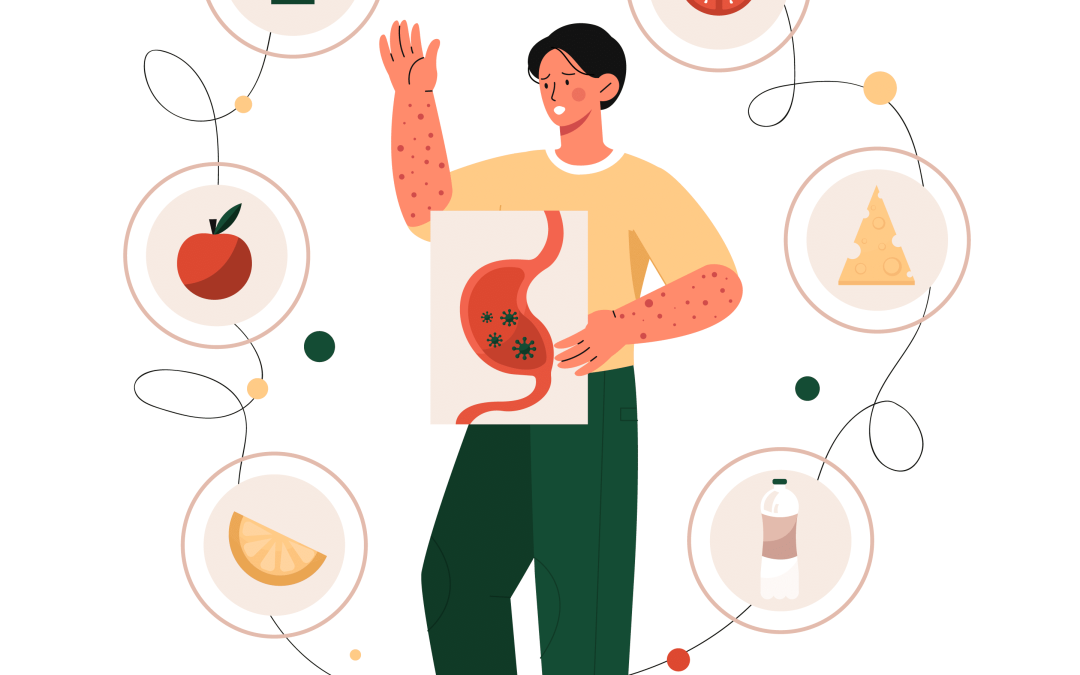
Some people experience unexplained symptoms after eating certain foods—even when allergy tests come back negative. They may develop headaches, flushing, congestion, digestive problems, itching, or rapid heart rate seemingly without a clear cause.
One possible explanation that has gained increasing attention is Histamine Intolerance.
Although still debated in some areas of medicine and not fully understood, histamine intolerance is thought to involve difficulty processing histamine, a naturally occurring chemical involved in immune responses, digestion, and nervous system signaling.
What Is Histamine?
Histamine is a natural chemical found:
- In the body
- In certain foods
- Released during immune responses
It plays roles in:
- Allergic reactions
- Stomach acid production
- Inflammation
- Communication between cells
Normally, the body breaks histamine down efficiently using enzymes such as DAO (diamine oxidase).
Problems may occur when histamine builds up faster than the body can process it.
What Is Histamine Intolerance?
Histamine intolerance is not considered a classic food allergy.
Instead, it’s thought to involve:
- Reduced ability to break down histamine
- Excess histamine accumulation
- Increased sensitivity to histamine-rich foods
Symptoms may resemble allergies even though immune allergy tests are often negative.
Common Symptoms of Histamine Intolerance
Symptoms can vary widely because histamine affects multiple body systems.
1. Headaches or Migraines
Many people report:
- Frequent headaches
- Migraine-like symptoms after certain foods
Histamine may affect blood vessels and nervous system signaling.
2. Flushing or Skin Reactions
Possible symptoms include:
- Facial flushing
- Itching
- Hives-like rashes
- Warm skin sensations
These reactions may resemble allergic responses.
3. Nasal Congestion or Sneezing
Histamine can affect the respiratory system and may contribute to:
- Runny nose
- Congestion
- Sneezing
even without infections or environmental allergies.
4. Digestive Symptoms
Common digestive complaints include:
- Bloating
- Diarrhea
- Stomach pain
- Nausea
Symptoms may worsen after certain meals.
5. Rapid Heart Rate or Palpitations
Some people report:
- Racing heart
- Heart pounding sensations
- Dizziness
especially after eating histamine-rich foods.
6. Fatigue or Brain Fog
Histamine-related symptoms may also include:
- Fatigue
- Difficulty concentrating
- Brain fog
though these symptoms are nonspecific and may overlap with many other conditions.
Foods Commonly Associated With Histamine Symptoms
Histamine tends to increase in:
- Aged foods
- Fermented foods
- Processed foods
- Leftover foods stored for long periods
Common examples include:
- Aged cheeses
- Processed meats
- Wine and alcohol
- Sauerkraut
- Vinegar-heavy foods
- Smoked fish
Some foods may also trigger histamine release even if they are not especially high in histamine themselves.
Why Histamine Intolerance Is Difficult to Diagnose
There is currently:
- No universally accepted diagnostic test
- No single definitive biomarker
Symptoms overlap with many other conditions, including:
- Irritable Bowel Syndrome
- Food allergies
- Anxiety
- Migraines
- Mast cell disorders
This makes diagnosis controversial and complicated.
Histamine Intolerance vs Food Allergy
Food Allergy
- Immune system reaction
- Can cause anaphylaxis
- Often immediate
Histamine Intolerance
- Thought to involve impaired histamine breakdown
- Usually not life-threatening
- Often dose-dependent
People with histamine intolerance may tolerate small amounts of trigger foods but react when histamine “loads” become too high.
Possible Causes and Risk Factors
Researchers believe histamine intolerance may involve:
- Reduced DAO enzyme activity
- Gastrointestinal disorders
- Certain medications
- Chronic inflammation
- Gut microbiome changes
Some medications may also interfere with histamine breakdown.
Conditions That May Overlap
Symptoms may overlap with:
- Mast Cell Activation Syndrome
- Chronic urticaria
- Migraines
- Digestive disorders
These conditions require professional medical evaluation because symptoms can appear similar.
How Doctors May Evaluate It
Because no single test confirms histamine intolerance, evaluation often includes:
- Symptom history
- Food tracking
- Elimination diets
- Ruling out allergies or other conditions
Doctors may also evaluate for digestive or inflammatory disorders.
What May Help Some People
Management strategies vary widely depending on the individual.
1. Reducing High-Histamine Foods Temporarily
Some people improve by limiting foods high in histamine for a period of time.
This should ideally be done carefully to avoid unnecessary restrictive eating.
2. Improving Gut Health
Certain gastrointestinal conditions may affect histamine processing.
Managing underlying digestive problems may help in some cases.
3. Reviewing Medications
Some medications may worsen histamine-related symptoms.
A healthcare provider can review possible contributors safely.
4. Avoiding Overly Restrictive Diets Without Guidance
Long-term restrictive eating can increase risk of:
- Nutrient deficiencies
- Stress around food
- Poor nutrition
Professional guidance is often helpful.
When Symptoms Need Immediate Medical Attention
Seek urgent medical care for:
- Difficulty breathing
- Severe swelling
- Fainting
- Rapid worsening reactions after eating
These symptoms may indicate:
- Anaphylaxis
or another serious medical emergency—not histamine intolerance alone.
What Science Still Doesn’t Fully Know
Histamine intolerance remains an evolving area of research.
Scientists are still studying:
- How common it truly is
- The best testing methods
- The role of gut health and enzymes
- Which treatments are most effective
Some experts believe it may be underrecognized, while others caution that symptoms are nonspecific and easily confused with other disorders.
Bottom Line
Histamine intolerance is thought to involve difficulty breaking down histamine, potentially leading to symptoms such as headaches, flushing, congestion, digestive problems, and rapid heart rate after certain foods.
Because symptoms overlap with allergies, digestive disorders, and other medical conditions, diagnosis can be challenging. Anyone experiencing severe reactions, persistent symptoms, or unexplained health issues should seek professional medical evaluation rather than relying solely on self-diagnosis or highly restrictive diets.