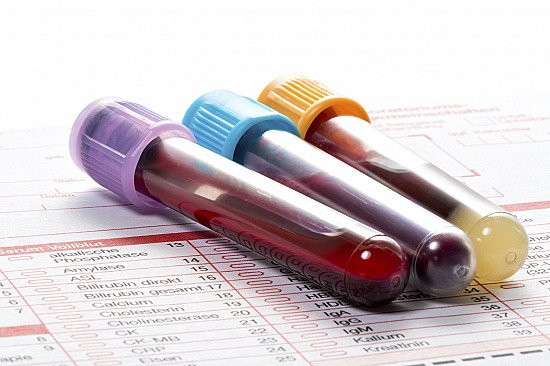
Getting blood work back can feel overwhelming. Most lab reports contain pages of numbers, abbreviations, and “normal ranges” that are difficult to interpret without medical training.
Blood tests can provide important clues about:
- Heart health
- Metabolism
- Inflammation
- Liver and kidney function
- Blood sugar
- Nutritional status
But one abnormal number does not automatically mean something is seriously wrong. Blood work needs to be interpreted in the context of symptoms, medical history, medications, age, and overall health.
Here’s a practical guide to understanding some of the most common blood test markers and what they generally mean.
Understanding “Normal Range”
Every lab test includes a reference range.
This range represents values commonly seen in healthy populations—but:
- “Normal” does not always mean optimal
- Slightly outside the range is not always dangerous
- Results can vary between labs
Doctors look at:
- Patterns
- Trends over time
- Symptoms
not just isolated numbers.
Complete Blood Count (CBC)
A Complete Blood Count checks different types of blood cells.
1. Hemoglobin (Hgb)
Hemoglobin carries oxygen in red blood cells.
Low hemoglobin may suggest:
- Anemia
- Iron deficiency
- Blood loss
High levels may occur with:
- Dehydration
- Smoking
- Certain lung or blood conditions
2. White Blood Cell Count (WBC)
White blood cells help fight infection.
High WBC may occur with:
- Infection
- Inflammation
- Stress
Low WBC may occur with:
- Certain viral illnesses
- Bone marrow problems
- Some medications
3. Platelets
Platelets help blood clot.
High or low platelets may relate to:
- Inflammation
- Bleeding disorders
- Bone marrow conditions
Blood Sugar Tests
4. Fasting Glucose
Measures blood sugar after fasting.
Higher levels may suggest:
- Prediabetes
- Type 2 Diabetes
However, stress, illness, and poor sleep can temporarily affect glucose levels too.
5. Hemoglobin A1C
A1C estimates average blood sugar over about 3 months.
Higher levels suggest poorer long-term glucose control.
This test is commonly used to diagnose and monitor diabetes.
Cholesterol Panel
A lipid panel evaluates cardiovascular risk factors.
6. LDL Cholesterol (“Bad” Cholesterol)
Higher LDL levels are associated with increased risk of:
- Heart Disease
- Stroke
Doctors interpret LDL differently depending on overall cardiovascular risk.
7. HDL Cholesterol (“Good” Cholesterol)
HDL helps remove excess cholesterol from the bloodstream.
Higher HDL is generally considered protective.
8. Triglycerides
High triglycerides may be linked to:
- Insulin resistance
- Obesity
- High sugar intake
- Metabolic syndrome
Liver Function Tests
9. ALT and AST
These enzymes may rise when liver cells are irritated or damaged.
Elevated levels can occur with:
- Fatty liver disease
- Alcohol use
- Medications
- Viral hepatitis
Mild elevations are common and not always serious.
Kidney Function Tests
10. Creatinine
Creatinine helps estimate kidney function.
Higher levels may suggest:
- Reduced kidney function
- Dehydration
- Muscle-related factors
11. eGFR (Estimated Glomerular Filtration Rate)
This estimates how well the kidneys filter waste.
Lower values may indicate:
- Chronic Kidney Disease
especially when persistent over time.
Inflammation Markers
12. C-Reactive Protein (CRP)
CRP rises during inflammation.
Higher levels may occur with:
- Infection
- Chronic inflammation
- Autoimmune conditions
Some doctors also use high-sensitivity CRP to help estimate cardiovascular risk.
Thyroid Tests
13. TSH (Thyroid-Stimulating Hormone)
TSH helps evaluate thyroid function.
Abnormal levels may indicate:
- Hypothyroidism
- Hyperthyroidism
Thyroid problems can affect:
- Energy
- Weight
- Mood
- Heart rate
Vitamin and Nutrient Tests
14. Vitamin D
Low vitamin D levels are common, especially in North America.
Deficiency may affect:
- Bone health
- Muscle function
- Immune health
15. Vitamin B12
Low B12 may contribute to:
- Fatigue
- Numbness
- Brain fog
- Anemia
Older adults are at higher risk of deficiency.
Why Trends Matter More Than One Test
A single abnormal result may happen because of:
- Illness
- Stress
- Dehydration
- Temporary inflammation
- Lab variation
Doctors often repeat tests to confirm whether abnormalities persist.
“Normal” Results Don’t Always Mean You Feel Healthy
Some people have symptoms despite mostly normal labs.
Blood tests are important tools—but they cannot explain every condition.
Additional evaluation may sometimes be needed.
Common Mistakes People Make Reading Labs
1. Panicking Over Minor Abnormalities
Slightly high or low values are often not emergencies.
2. Ignoring Patterns
Several mildly abnormal numbers together may matter more than one isolated result.
3. Self-Diagnosing From the Internet
Many symptoms and lab abnormalities overlap across different conditions.
Context matters enormously.
4. Focusing Only on One Marker
For example:
- Cholesterol risk depends on multiple factors
- Blood sugar interpretation involves more than glucose alone
Questions to Ask Your Doctor
Helpful questions include:
- Is this result significantly abnormal?
- What might explain it?
- Do I need repeat testing?
- Are lifestyle changes recommended?
- Should I see a specialist?
When Blood Test Results Need Urgent Attention
Seek medical care promptly for severely abnormal results associated with symptoms such as:
- Chest pain
- Severe weakness
- Fainting
- Confusion
- Shortness of breath
Some abnormalities can indicate medical emergencies.
Bottom Line
Blood tests provide valuable information about how the body is functioning, but numbers should never be interpreted in isolation. Understanding basics like blood sugar, cholesterol, liver enzymes, kidney markers, thyroid function, and blood counts can help you have more informed conversations with your healthcare provider.
The most important thing is not obsessing over one number—it’s looking at the bigger picture of trends, symptoms, lifestyle, and overall health.o