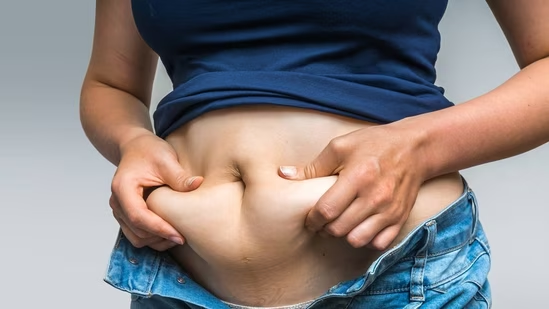
Many adults notice a frustrating change after 40: even if their weight stays relatively stable, fat seems to accumulate around the waistline more easily than it did in their 20s and 30s.
This shift isn’t just about appearance. Excess abdominal fat is linked to increased risks of:
- Type 2 Diabetes
- Heart Disease
- High blood pressure
- Fatty liver disease
- Metabolic syndrome
The good news is that understanding why belly fat increases with age can help you focus on strategies that actually work.
Why Belly Fat Increases After 40
Several biological changes occur during midlife that can make abdominal fat gain more likely.
1. Muscle Mass Naturally Declines
Starting around age 30, adults gradually lose muscle mass unless they actively work to maintain it.
This age-related muscle loss is known as:
Sarcopenia
Less muscle means:
- Lower calorie burn at rest
- Slower metabolism
- Greater tendency to store excess energy as fat
This process often becomes more noticeable after 40.
2. Hormonal Changes Affect Fat Distribution
Both men and women experience hormonal shifts during midlife.
In Men
Gradual declines in testosterone may contribute to:
- Increased abdominal fat
- Reduced muscle mass
In Women
Perimenopause and menopause can lead to:
- Lower estrogen levels
- Increased central fat storage
- Changes in body composition
Many women notice fat moving from the hips and thighs toward the abdomen during this transition.
3. Insulin Resistance Becomes More Common
As people age, the body may become less sensitive to insulin.
This condition, called:
Insulin Resistance
can promote:
- Increased fat storage
- Higher blood sugar
- Stronger hunger signals
- Greater abdominal fat accumulation
4. Stress and Cortisol
Chronic stress can increase levels of cortisol, a hormone involved in the body’s stress response.
Long-term elevated cortisol is associated with:
- Increased appetite
- Cravings for calorie-dense foods
- Greater abdominal fat storage
Stress alone doesn’t cause belly fat, but it can make weight management more difficult.
5. Poor Sleep Has a Bigger Impact Than Most People Realize
Sleep affects:
- Hunger hormones
- Blood sugar regulation
- Recovery
- Energy levels
Adults who consistently sleep poorly may be more likely to:
- Gain weight
- Develop insulin resistance
- Accumulate abdominal fat
Not All Belly Fat Is the Same
There are two main types:
Subcutaneous Fat
This is the fat directly under the skin that you can pinch.
Visceral Fat
This deeper fat surrounds internal organs.
Visceral fat is more strongly associated with:
- Diabetes
- Heart disease
- Inflammation
- Metabolic syndrome
Reducing visceral fat is one of the most important health goals in midlife.
Can You Spot-Reduce Belly Fat?
Unfortunately, no.
Despite marketing claims, there is no exercise, supplement, belt, cream, or “fat-burning trick” that specifically removes fat from one area of the body.
Fat loss occurs throughout the body based on genetics, hormones, and overall energy balance.
What Actually Helps Reduce Belly Fat?
1. Strength Training Is Essential
One of the most effective strategies after 40 is resistance training.
Benefits include:
- Preserving muscle mass
- Increasing metabolic rate
- Improving insulin sensitivity
- Supporting long-term fat loss
Aim to include strength training at least 2–3 times per week if medically appropriate.
Examples:
- Weight training
- Resistance bands
- Bodyweight exercises
2. Increase Daily Movement
Many adults become less active with age.
Increasing:
- Walking
- Household activity
- Taking stairs
- Standing breaks
can significantly improve calorie expenditure and metabolic health.
Consistency matters more than extreme workouts.
3. Prioritize Protein
Protein helps:
- Preserve muscle
- Improve fullness
- Support recovery
Good sources include:
- Fish
- Poultry
- Eggs
- Greek yogurt
- Beans
- Tofu
Many adults over 40 consume less protein than is optimal for healthy aging.
4. Reduce Highly Processed Foods
Foods that are often associated with excess calorie intake include:
- Sugary drinks
- Desserts
- Chips
- Ultra-processed snacks
Replacing some of these with:
- Fruits
- Vegetables
- Whole grains
- Lean proteins
can support sustainable fat loss.
5. Improve Sleep Quality
Adults generally need:
- About 7–9 hours of sleep per night
Better sleep supports:
- Appetite regulation
- Hormone balance
- Recovery
- Weight management
6. Manage Stress
Helpful strategies may include:
- Exercise
- Meditation
- Time outdoors
- Therapy
- Social connection
Reducing chronic stress may help improve both physical and mental health.
What About Intermittent Fasting?
Some people find:
Intermittent Fasting
helps reduce calorie intake and support weight loss.
However:
- It is not magic
- It is not necessary for everyone
- Overall nutrition quality remains more important
Warning Signs Belly Fat May Be Affecting Your Health
Consider discussing screening with your doctor if you have:
- Increasing waist circumference
- High blood pressure
- Elevated blood sugar
- High triglycerides
- Fatty liver disease
These may be signs of:
Metabolic Syndrome
which significantly increases long-term health risks.
Supplements and “Fat Burners” Usually Disappoint
Most products marketed as:
- Belly fat burners
- Metabolism boosters
- Detox cleanses
have little evidence supporting meaningful long-term fat loss.
Healthy habits consistently outperform supplements.
When to Seek Medical Advice
Talk with a healthcare professional if you experience:
- Rapid unexplained weight gain
- Sudden abdominal enlargement
- Severe fatigue
- Hormonal symptoms
- Difficulty losing weight despite major lifestyle changes
Sometimes underlying conditions may contribute to weight changes.
Bottom Line
Belly fat tends to accumulate differently after 40 because of changes in muscle mass, hormones, insulin sensitivity, activity levels, sleep, and stress. While there is no way to spot-reduce abdominal fat, evidence-based strategies such as strength training, increased daily movement, higher protein intake, better sleep, and stress management can significantly improve body composition and metabolic health.
The goal isn’t simply a smaller waistline—it’s reducing harmful visceral fat and protecting long-term health as you age.