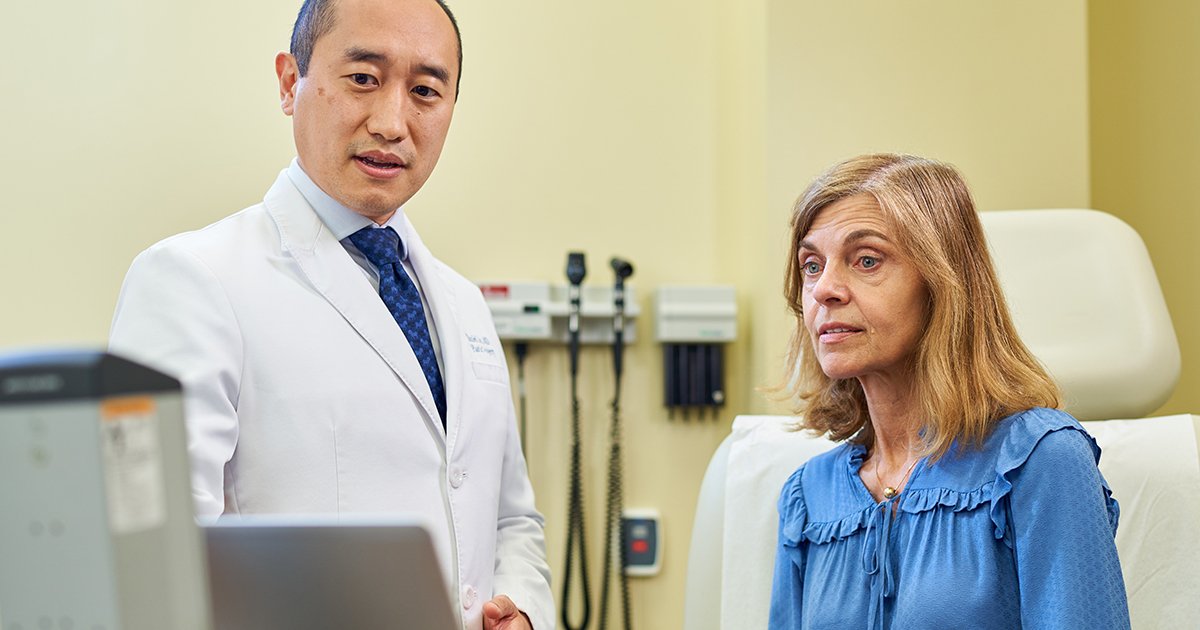
Getting diagnosed with a serious medical condition can feel overwhelming. Many people assume they should immediately move forward with the first treatment plan they hear—but in some situations, getting a second opinion can be extremely important.
A second opinion does not mean your doctor is wrong or untrustworthy. Medicine is complex, and different specialists may:
- Interpret test results differently
- Recommend less invasive treatments
- Offer newer options
- Catch missed details
In the United States, second opinions are especially valuable when diagnoses involve major surgery, lifelong medication, uncertain symptoms, or potentially life-changing treatments.
Here are 7 situations where experts often recommend getting another professional opinion before making major healthcare decisions.
1. Cancer Diagnoses
A diagnosis of Cancer is one of the most important reasons to consider a second opinion.
Different specialists may recommend:
- Different treatment plans
- Different surgery approaches
- Alternative chemotherapy options
- Clinical trials
In some cases, pathology reviews may even slightly change the diagnosis itself.
Second opinions are especially common before:
- Major surgery
- Radiation treatment
- Aggressive chemotherapy
Many cancer centers expect and encourage them.
2. Major Spine or Back Surgery Recommendations
Back pain is extremely common, but surgery decisions can vary significantly between specialists.
Conditions such as:
- Herniated discs
- Spinal stenosis
- Degenerative spine disease
may sometimes improve with:
- Physical therapy
- Pain management
- Lifestyle changes
rather than immediate surgery.
A second opinion may help determine whether surgery is truly necessary.
3. Autoimmune Disease Diagnoses
Conditions such as:
- Lupus
- Rheumatoid Arthritis
- Multiple sclerosis
can be difficult to diagnose because symptoms overlap with many other illnesses.
Patients sometimes experience:
- Years of vague symptoms
- Conflicting test results
- Multiple possible explanations
Second opinions may help clarify uncertain diagnoses before starting lifelong immune-suppressing medications.
4. Neurological Disorders
Neurological symptoms can sometimes be especially difficult to interpret.
Conditions involving:
- Tremors
- Memory changes
- Numbness
- Seizures
- Chronic headaches
may overlap across different disorders.
For diagnoses involving conditions such as:
- Parkinson’s Disease
- Dementia
- Epilepsy
specialist confirmation can be extremely valuable.
5. Heart Surgery or Major Cardiac Procedures
If you’re told you need:
- Heart surgery
- Stents
- Valve replacement
- Major cardiac intervention
a second opinion can help confirm:
- Urgency
- Necessity
- Alternative treatment options
This is particularly important for non-emergency procedures.
For true emergencies like active heart attacks, immediate treatment is critical.
6. Mental Health Diagnoses With Major Medication Changes
Mental health conditions can overlap significantly.
Conditions such as:
- Bipolar Disorder
- Attention Deficit Hyperactivity Disorder
- Major Depressive Disorder
sometimes share symptoms involving:
- Concentration
- Mood changes
- Sleep issues
- Anxiety
Before starting complex medication combinations or receiving life-changing psychiatric diagnoses, another professional perspective may help ensure accuracy.
7. Rare or Poorly Understood Conditions
Diagnoses involving:
- Chronic unexplained symptoms
- Rare diseases
- Complex immune disorders
- Unusual syndromes
often benefit from specialist review.
Conditions such as:
- Mast Cell Activation Syndrome
- Ehlers-Danlos Syndrome
- Certain chronic fatigue conditions
can be controversial or difficult to confirm.
A second opinion may help avoid both:
- Missed diagnoses
- Misdiagnosis
Why Second Opinions Matter
Second opinions may:
- Confirm the original diagnosis
- Offer reassurance
- Present less invasive options
- Identify alternative explanations
- Improve confidence in treatment decisions
Even when both doctors agree, patients often feel more informed and comfortable moving forward.
When You Especially Should Consider One
A second opinion may be worthwhile if:
- Surgery is recommended
- Treatment carries major risks
- Symptoms don’t fully fit the diagnosis
- You feel confused or rushed
- Treatment isn’t helping
- The diagnosis is rare or uncertain
What a Second Opinion Is NOT
It’s not:
- “Doctor shopping” for the answer you want
- Distrusting medicine entirely
- Refusing treatment indefinitely
The goal is informed decision-making—not endless delays.
How to Ask for a Second Opinion
You can simply say:
- “I’d like a second opinion before making a major decision.”
Most doctors understand this and many encourage it.
In complex cases, providers may even recommend specific specialists.
Bring Copies of Your Records
Helpful materials include:
- Imaging scans
- Lab results
- Medication lists
- Procedure reports
- Symptom timelines
This prevents repeating unnecessary testing.
Insurance May Cover Second Opinions
Many insurance plans in the United States cover second opinions for:
- Cancer treatment
- Major surgery
- Complex diagnoses
However, coverage varies, so checking with your insurer is helpful.
When NOT to Delay for a Second Opinion
Some situations require immediate treatment, including:
- Stroke
- Heart attack
- Sepsis
- Major trauma
- Severe infections
In emergencies, delaying treatment can be dangerous.
Trust Your Instincts—But Stay Evidence-Based
If something feels unclear, asking questions is reasonable.
At the same time:
- Avoid relying only on social media
- Avoid endless internet self-diagnosis
- Focus on qualified medical expertise
Good medical decisions balance caution with evidence.
Bottom Line
Second opinions can be extremely valuable for major diagnoses involving cancer, surgery, neurological disease, autoimmune disorders, complex psychiatric conditions, or rare chronic illnesses. They may confirm the original diagnosis, uncover alternatives, or help patients feel more confident about treatment decisions.
Seeking another professional perspective is a normal and respected part of modern healthcare—not a sign of distrust. In many cases, it can lead to safer, more informed, and more personalized medical care.