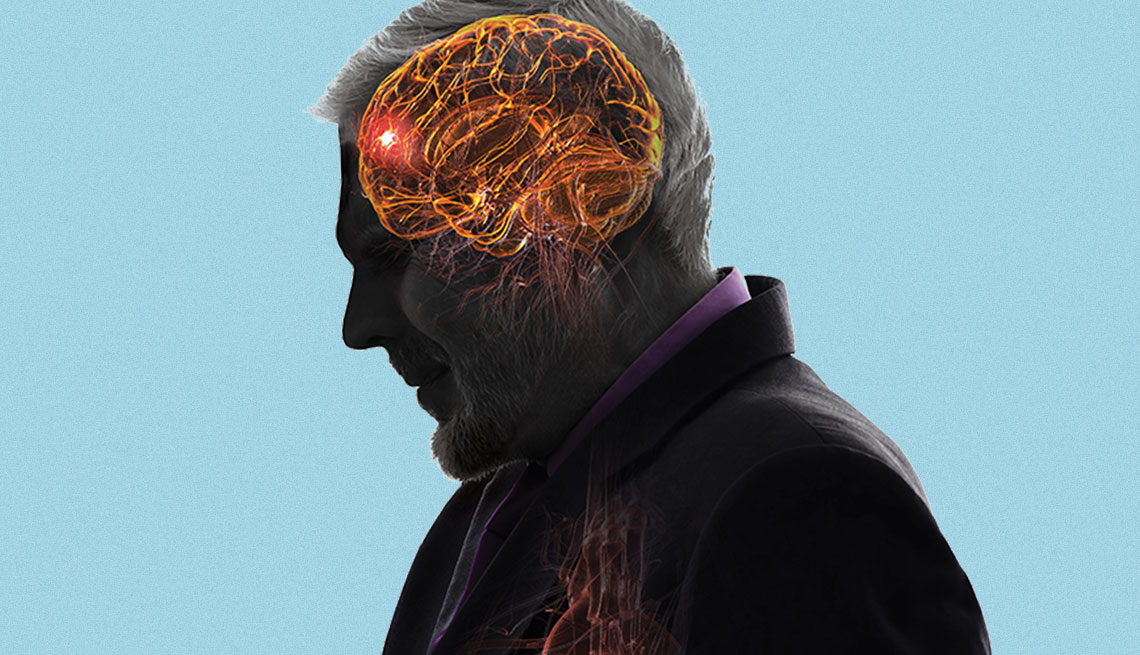
Imagine suddenly losing vision in one eye, having trouble speaking, or feeling weakness in an arm—only for the symptoms to disappear minutes later. Many people assume that because the symptoms went away, the problem is over.
In reality, those temporary symptoms may have been a Transient Ischemic Attack (TIA), often called a mini stroke.
A TIA is a serious medical warning sign that should never be ignored. While symptoms may be temporary, a TIA can signal a significantly increased risk of a future stroke.
What Is a TIA?
A TIA occurs when blood flow to part of the brain is temporarily interrupted.
Unlike a major stroke, the blockage resolves before permanent brain injury occurs.
Because blood flow returns quickly:
- Symptoms are temporary
- Brain tissue usually avoids lasting damage
- The event can still indicate a serious underlying problem
A TIA is often described as a “warning stroke.”
Why Is a TIA So Important?
Many people dismiss a TIA because symptoms disappear.
This can be dangerous.
A TIA may be the body’s warning that a larger stroke could occur in the near future.
The risk of stroke is highest in the days and weeks following a TIA, which is why urgent medical evaluation is essential.
Common TIA Symptoms
TIA symptoms are similar to stroke symptoms but resolve completely.
Common warning signs include:
Sudden Weakness
Weakness may affect:
- One arm
- One leg
- One side of the body
Symptoms typically occur suddenly.
Facial Drooping
You may notice:
- One side of the face drooping
- An uneven smile
- Facial numbness
Speech Problems
A person may experience:
- Slurred speech
- Difficulty finding words
- Difficulty understanding language
- Inability to speak clearly
Vision Changes
Possible symptoms include:
- Temporary blindness in one eye
- Double vision
- Blurred vision
- Partial loss of vision
Vision symptoms may last only minutes.
Numbness or Tingling
Sudden numbness affecting:
- The face
- Arm
- Leg
especially on one side of the body, should be taken seriously.
Balance and Coordination Problems
A TIA can cause:
- Dizziness
- Loss of balance
- Difficulty walking
- Sudden coordination problems
Remember FAST
The same FAST stroke warning signs apply to TIAs.
F – Face Drooping
A – Arm Weakness
S – Speech Difficulty
T – Time to Call Emergency Services
Even if symptoms disappear, emergency evaluation is still necessary.
How Long Do TIA Symptoms Last?
Symptoms typically last:
- A few minutes
- Less than one hour in many cases
Some episodes may last longer.
By definition, symptoms eventually resolve completely.
However, the disappearance of symptoms does not mean the danger has passed.
What Causes a TIA?
A TIA usually results from a temporary blockage of blood flow to the brain.
Common causes include:
Blood Clots
Small clots can temporarily obstruct blood vessels before dissolving or moving.
Narrowed Arteries
Plaque buildup in blood vessels can reduce blood flow and increase clot risk.
This process is known as:
Atherosclerosis
Heart Rhythm Disorders
Conditions such as:
Atrial Fibrillation
can increase the likelihood of clot formation.
Who Is at Risk?
Risk factors for TIA and stroke include:
- High Blood Pressure
- Type 2 Diabetes
- Smoking
- High cholesterol
- Obesity
- Physical inactivity
- Older age
- Family history of stroke
- Heart disease
Having risk factors does not guarantee a TIA, but they increase the likelihood.
What Should You Do If You Suspect a TIA?
Call Emergency Services Immediately
Do not wait for symptoms to improve.
Do not schedule a routine doctor’s appointment.
Do not assume the event was harmless.
Emergency evaluation is needed even if symptoms have completely disappeared.
Note the Time Symptoms Started
This information is important for medical decision-making.
If symptoms have already resolved, record:
- When they started
- How long they lasted
- What symptoms occurred
Seek Urgent Medical Care
Doctors may recommend:
- Brain imaging
- Blood tests
- Heart monitoring
- Blood vessel imaging
The goal is to identify the cause and reduce future stroke risk.
What Happens After a TIA?
Treatment depends on the underlying cause.
Possible approaches include:
Blood Pressure Management
Controlling blood pressure is one of the most effective ways to reduce stroke risk.
Cholesterol Treatment
Some people may benefit from cholesterol-lowering therapy.
Blood-Thinning Medications
Certain individuals may require medications to reduce clot formation.
Treatment of Heart Conditions
Managing conditions such as atrial fibrillation can substantially lower future stroke risk.
TIA vs Stroke: What’s the Difference?
| TIA | Stroke |
|---|---|
| Temporary interruption of blood flow | Prolonged interruption or bleeding |
| Symptoms resolve completely | Symptoms may persist |
| Usually no permanent brain injury | May cause lasting brain damage |
| Warning sign of future stroke | Medical emergency requiring urgent treatment |
Both require immediate medical attention.
Symptoms That Should Never Be Ignored
Seek emergency care immediately if you experience:
- Sudden weakness
- Sudden numbness
- Facial drooping
- Speech difficulty
- Vision loss
- Loss of coordination
- Severe sudden neurological symptoms
Even if symptoms disappear after a few minutes.
Can a TIA Be Prevented?
Many stroke prevention strategies also reduce TIA risk:
Control Blood Pressure
Manage Diabetes
Exercise Regularly
Avoid Tobacco
Maintain Healthy Cholesterol Levels
Follow Medical Advice for Heart Conditions
Small improvements in risk factors can have a meaningful impact.
Frequently Asked Questions
Is a TIA a real stroke?
A TIA is often called a mini stroke because it produces stroke-like symptoms. However, symptoms resolve without permanent brain injury. It remains a serious medical emergency.
Can a TIA happen during sleep?
Yes. Some people awaken with symptoms or discover symptoms after waking.
How soon after a TIA can a stroke occur?
The risk is highest in the hours, days, and weeks after a TIA, which is why urgent evaluation is essential.
Bottom Line
A Transient Ischemic Attack (TIA), or mini stroke, occurs when blood flow to the brain is temporarily interrupted, causing sudden neurological symptoms that resolve completely. Common symptoms include facial drooping, arm weakness, speech difficulty, vision changes, numbness, and balance problems.
Although symptoms may disappear quickly, a TIA is a major warning sign that a future stroke could occur. Any suspected TIA should be treated as a medical emergency. Prompt evaluation and treatment can identify the cause, reduce stroke risk, and potentially prevent a life-altering or life-threatening event.