A stroke is a medical emergency. When a stroke occurs, part of the brain loses its blood supply or experiences bleeding, causing brain cells to begin dying within minutes.
The first hour after symptoms begin is often called the “golden hour” because rapid treatment can dramatically improve outcomes. Recognizing stroke symptoms quickly and acting immediately can save a life and reduce the risk of permanent disability.
What Is a Stroke?
A stroke occurs when blood flow to part of the brain is interrupted.
The two main types are:
Ischemic Stroke
The most common type, caused by a blocked blood vessel in the brain.
Hemorrhagic Stroke
Caused by bleeding in or around the brain.
Both require urgent medical attention.
What Does FAST Stand For?
FAST is an easy-to-remember tool that helps identify common stroke symptoms.
F = Face Drooping
Ask the person to smile.
Look for:
- One side of the face drooping
- Uneven smile
- Facial numbness
A = Arm Weakness
Ask the person to raise both arms.
Look for:
- One arm drifting downward
- Weakness on one side
- Difficulty lifting an arm
S = Speech Difficulty
Ask the person to repeat a simple sentence.
Look for:
- Slurred speech
- Confused speech
- Difficulty speaking
- Difficulty understanding words
T = Time to Call Emergency Services
If any of these symptoms are present, call emergency medical services immediately.
Do not wait to see if symptoms improve.
Other Stroke Warning Signs
Not every stroke presents with classic FAST symptoms.
Additional warning signs may include:
- Sudden numbness on one side of the body
- Sudden confusion
- Sudden vision loss or blurred vision
- Difficulty walking
- Loss of balance or coordination
- Severe sudden headache
- Dizziness without an obvious cause
Any sudden neurological symptom should be treated seriously.
Why the First 60 Minutes Matter
Brain cells depend on a constant supply of oxygen and nutrients.
During a stroke:
- Brain tissue is injured
- Neurological function is impaired
- Damage can worsen with time
This is why stroke specialists often say:
“Time is brain.”
The faster treatment begins, the greater the chance of preserving brain function.
What To Do Immediately
1. Call Emergency Services Right Away
Do not:
- Drive yourself if possible
- Wait for symptoms to improve
- Schedule a doctor’s appointment
Emergency responders can begin assessment and notify the hospital before arrival.
2. Note the Time Symptoms Started
This information is extremely important.
If symptoms began while the person was asleep, note the last time they were known to be normal.
Treatment decisions often depend on timing.
3. Keep the Person Safe
While waiting for help:
- Have them sit or lie down safely
- Loosen restrictive clothing if needed
- Stay calm and reassuring
Avoid unnecessary movement.
4. Do Not Give Food or Drink
A stroke can affect swallowing ability.
Giving food, water, or medication may increase the risk of choking.
5. Gather Medical Information
If possible, be ready to provide:
- Current medications
- Allergies
- Medical conditions
- Emergency contacts
This can help healthcare teams act quickly.
What Not To Do
Don’t Wait
Some stroke symptoms come and go.
Even if symptoms improve, emergency evaluation is still necessary.
Don’t Assume It’s Fatigue
Stroke symptoms can sometimes be mistaken for:
- Fatigue
- Migraine
- Low blood sugar
- Stress
When in doubt, seek emergency care.
Don’t Give Aspirin Unless Directed
Although aspirin is helpful for some heart-related emergencies, it may be dangerous in certain types of stroke, particularly bleeding strokes.
Medical professionals need to determine the type of stroke first.
What Happens at the Hospital?
Doctors may perform:
- Physical and neurological examinations
- Blood tests
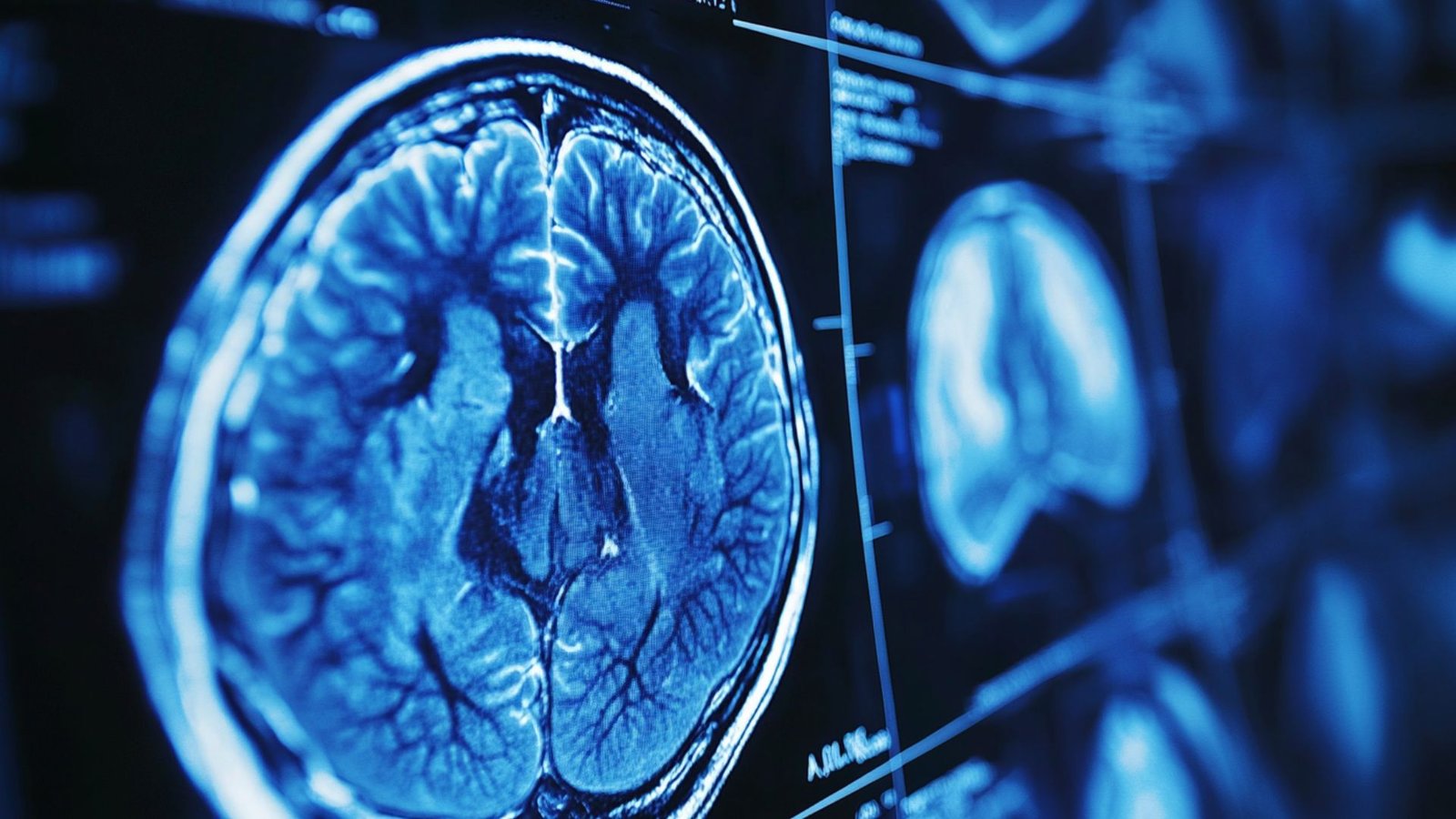
- Brain imaging such as CT or MRI scans
Imaging helps determine whether the stroke is caused by a blockage or bleeding.
Treatment depends on the type of stroke.
Who Is at Higher Risk?
Stroke risk increases with factors such as:
- High Blood Pressure
- Type 2 Diabetes
- Smoking
- High cholesterol
- Obesity
- Physical inactivity
- Certain heart conditions
However, strokes can occur in younger adults as well.
Can a Stroke Be Prevented?
Many strokes are preventable.
Helpful strategies include:
Manage Blood Pressure
High blood pressure is one of the strongest stroke risk factors.
Stay Physically Active
Regular exercise supports cardiovascular health.
Eat a Heart-Healthy Diet
Focus on:
- Fruits
- Vegetables
- Whole grains
- Lean proteins
Avoid Tobacco
Smoking significantly increases stroke risk.
Manage Diabetes and Cholesterol
Proper treatment can lower long-term risk.
Frequently Asked Questions
Can stroke symptoms go away?
Yes. Temporary symptoms may indicate a:
Transient Ischemic Attack
often called a “mini-stroke.”
A TIA is still a medical emergency because it may signal a higher risk of a future stroke.
How quickly should treatment begin?
As soon as possible. Every minute matters when a stroke is suspected.
Should I drive someone to the hospital?
Calling emergency services is usually safer because treatment and monitoring can begin immediately.
Bottom Line
The FAST stroke warning signs are Face drooping, Arm weakness, Speech difficulty, and Time to call emergency services. Recognizing these symptoms and acting immediately can significantly improve outcomes and reduce the risk of permanent disability.
If you suspect a stroke, do not wait. Call emergency services, note the time symptoms began, keep the person safe, and avoid giving food, drink, or medications unless instructed by healthcare professionals. In stroke care, every minute counts, and rapid treatment can make a life-changing difference.