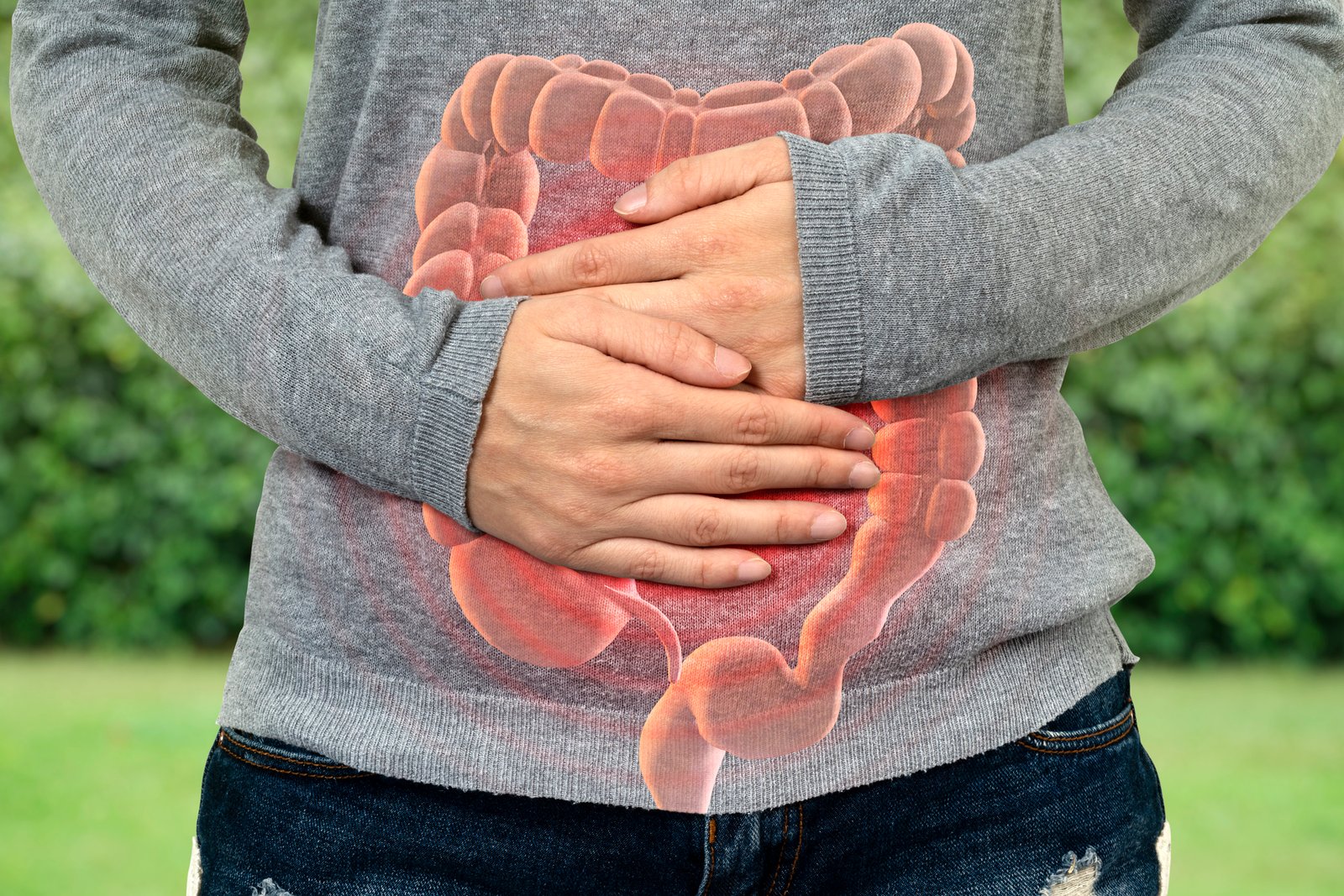
The human digestive tract is home to trillions of bacteria, fungi, viruses, and other microorganisms collectively known as the gut microbiome. While the idea of having microbes living inside you may sound unsettling, these organisms play a crucial role in digestion, immunity, metabolism, and even mental health.
When the microbiome is healthy and diverse, it helps support overall well-being. But when the balance of beneficial and potentially harmful microbes shifts—a state often called dysbiosis—a variety of symptoms may develop.
Understanding the signs of an imbalanced gut microbiome and the evidence-based ways to support gut health can help you make informed lifestyle choices.
What Is the Gut Microbiome?
The gut microbiome consists of microorganisms that live primarily in the large intestine.
These microbes help:
- Digest certain foods
- Produce vitamins
- Support immune function
- Protect against harmful bacteria
- Influence metabolism
- Communicate with the nervous system
A healthy microbiome is typically characterized by diversity and balance rather than the presence of any single “good” bacteria.
Signs Your Gut Microbiome May Be Out of Balance
There is no single symptom that definitively proves dysbiosis, but certain patterns may suggest that gut health deserves attention.
1. Frequent Digestive Problems
Digestive symptoms are among the most common signs associated with microbiome disruption.
These may include:
- Bloating
- Excess gas
- Abdominal discomfort
- Diarrhea
- Constipation
- Irregular bowel habits
Occasional symptoms are common, but persistent issues should be evaluated by a healthcare professional.
2. Increased Food Sensitivities
Some people notice difficulty tolerating foods they previously ate without problems.
Symptoms may include:
- Bloating
- Stomach discomfort
- Changes in bowel habits
It’s important to distinguish food sensitivities from true food allergies, which can be serious and require medical evaluation.
3. Frequent Antibiotic Use
Antibiotics can be life-saving medications, but they may also reduce populations of beneficial bacteria.
After antibiotic treatment, some individuals experience:
- Digestive changes
- Altered bowel habits
- Temporary microbiome disruption
Recovery usually occurs over time, although the process varies between individuals.
4. Ongoing Fatigue
Research continues to explore connections between the gut microbiome and energy regulation.
Fatigue has many possible causes, including:
- Poor sleep
- Stress
- Nutritional deficiencies
- Medical conditions
Persistent fatigue should not automatically be blamed on gut health alone.
5. Changes in Mood and Mental Well-Being
The gut and brain communicate through what researchers call the gut-brain axis.
Scientists are actively studying links between gut microbes and:
- Mood
- Stress responses
- Anxiety
- Cognitive function
While the relationship is complex, gut health may influence overall mental well-being.
6. Frequent Gastrointestinal Infections
A healthy microbiome helps resist colonization by harmful organisms.
Disruptions in microbial balance may affect this protective function.
7. Difficulty Maintaining a Healthy Weight
Research suggests the microbiome may influence:
- Appetite regulation
- Energy extraction from food
- Metabolism
However, body weight is affected by many factors, and no single microbiome pattern guarantees weight gain or loss.
What Causes Microbiome Imbalance?
Several factors may influence gut microbial diversity.
Poor Diet
Diets low in fiber and high in heavily processed foods may reduce beneficial microbial diversity.
Chronic Stress
Stress can affect digestion and may influence microbial composition.
Lack of Sleep
Sleep quality affects many aspects of health, including the gut-brain connection.
Certain Medications
Examples include:
- Antibiotics
- Some acid-reducing medications
- Certain other prescription drugs
Illness and Infection
Some infections can alter gut microbial populations.
How to Restore a Healthy Gut Microbiome
The good news is that the microbiome is dynamic and can respond to lifestyle changes.
Eat More Fiber
Fiber is one of the most important nutrients for gut bacteria.
High-fiber foods include:
- Vegetables
- Fruits
- Beans
- Lentils
- Whole grains
- Nuts and seeds
Many beneficial bacteria use fiber as fuel.
Include Fermented Foods
Fermented foods contain live microorganisms and may support microbial diversity.
Examples include:
- Yogurt
- Kefir
- Sauerkraut
- Kimchi
- Miso
Choose products with live cultures when possible.
Eat a Variety of Plant Foods
Different microbes thrive on different nutrients.
A diverse diet helps support a diverse microbiome.
Aim for a variety of:
- Fruits
- Vegetables
- Legumes
- Whole grains
- Herbs and spices
Limit Highly Processed Foods
Highly processed foods often contain:
- Added sugars
- Refined carbohydrates
- Low fiber content
Replacing some processed foods with whole foods may support overall gut health.
Exercise Regularly
Physical activity has been associated with greater microbial diversity and numerous health benefits.
Examples include:
- Walking
- Cycling
- Swimming
- Strength training
Prioritize Sleep
Poor sleep can negatively affect multiple body systems, including those connected to gut health.
Adults should generally aim for:
- 7–9 hours of sleep per night
Manage Stress
Chronic stress affects both digestive function and the gut-brain axis.
Helpful approaches may include:
- Meditation
- Mindfulness
- Exercise
- Counseling
- Relaxation practices
Should You Take Probiotics?
Probiotics may help in certain situations, particularly after some forms of antibiotic-associated digestive upset.
However:
- Not all probiotic products are the same
- Benefits vary by strain
- Some claims exceed the available evidence
For many people, improving diet quality may provide broader benefits than relying solely on supplements.
When to See a Doctor
Digestive symptoms should not automatically be blamed on the microbiome.
Seek medical evaluation if you experience:
- Persistent abdominal pain
- Unexplained weight loss
- Blood in the stool
- Ongoing diarrhea
- Severe constipation
- Difficulty swallowing
- Persistent fatigue without explanation
These symptoms may indicate conditions requiring medical attention.
Common Myths About Gut Health
Myth: Everyone Needs a Gut Cleanse
Reality:
The digestive system naturally removes waste. Most commercial cleanses lack strong scientific support.
Myth: One Probiotic Fixes Everything
Reality:
The microbiome is complex, and no single supplement can solve every digestive problem.
Myth: Bloating Always Means Dysbiosis
Reality:
Bloating has many potential causes, including food intolerances, digestive disorders, and eating habits.
Frequently Asked Questions
How long does it take to improve the gut microbiome?
Changes can begin within days of dietary improvements, but long-term benefits typically require consistent habits over weeks and months.
Are probiotics necessary?
Not necessarily. Many people can support gut health through diet, lifestyle, and fiber intake.
What foods are best for gut bacteria?
Fiber-rich plant foods, legumes, fruits, vegetables, whole grains, and fermented foods are among the most commonly recommended options.
Bottom Line
An imbalanced gut microbiome may contribute to symptoms such as bloating, digestive discomfort, irregular bowel habits, food sensitivities, and changes in overall well-being. While there is no single symptom that confirms dysbiosis, lifestyle factors such as poor diet, stress, sleep deprivation, and frequent antibiotic use can influence microbial balance.
The most effective ways to support a healthy microbiome include eating a diverse, fiber-rich diet, incorporating fermented foods, exercising regularly, managing stress, and prioritizing sleep. Rather than focusing on quick fixes or trendy cleanses, long-term habits are what truly help restore and maintain gut health.