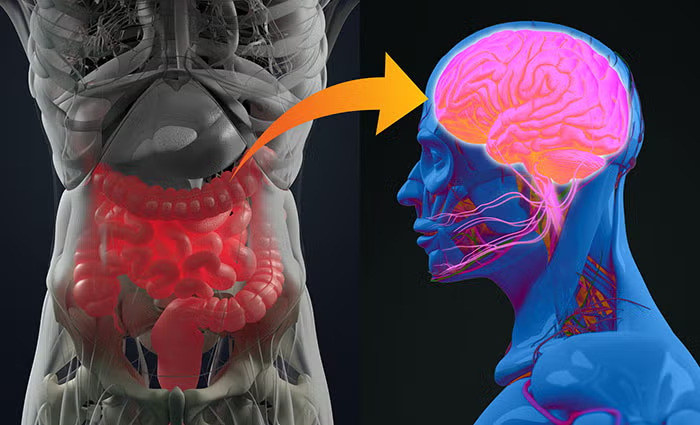
Have you ever felt “butterflies” in your stomach before a big event? Or noticed digestive issues worsening during periods of stress? These experiences highlight something scientists have been studying intensely over the past decade: the gut-brain connection.
Your digestive system and brain are constantly communicating. This two-way relationship helps explain why emotional stress can affect digestion—and why digestive health may influence mood, mental well-being, and overall health.
While the science is still evolving, researchers now recognize that the gut and brain are deeply interconnected.
What Is the Gut-Brain Connection?
The gut-brain connection refers to the communication network linking the digestive system and the brain.
This communication occurs through several pathways, including:
- The nervous system
- Hormones
- The immune system
- The gut microbiome
Rather than working independently, the gut and brain function as a coordinated system.
Why Is the Gut Sometimes Called the “Second Brain”?
The digestive tract contains a vast network of nerves known as the:
Enteric Nervous System
This system contains hundreds of millions of nerve cells and helps regulate:
- Digestion
- Gut movement
- Secretion of digestive fluids
- Communication with the brain
Although it doesn’t think like the brain in your head, it can operate independently in many ways.
The Role of the Gut Microbiome
Inside your intestines live trillions of microorganisms collectively known as the gut microbiome.
These microbes help:
- Digest certain foods
- Produce nutrients
- Support immune function
- Interact with the nervous system
Scientists are investigating how changes in microbiome composition may influence mood and behavior.
The field is promising, but many questions remain unanswered.
How the Gut and Brain Communicate
The Vagus Nerve
One of the most important communication pathways is the:
Vagus Nerve
The vagus nerve carries signals between the brain and digestive system.
These signals help regulate:
- Digestion
- Heart rate
- Stress responses
- Inflammation
Hormones and Chemical Messengers
The gut produces numerous signaling molecules that influence bodily functions.
Some neurotransmitters and related compounds involved in mood regulation are produced or influenced within the digestive system.
This doesn’t mean gut bacteria directly control emotions, but it highlights the complexity of gut-brain communication.
The Immune System
A large portion of the body’s immune activity is associated with the digestive tract.
Inflammation and immune signaling may affect both physical and mental well-being.
Researchers continue studying how immune responses may connect gut health and mood.
How Stress Affects the Gut
Most people have experienced digestive symptoms during stressful situations.
Stress can contribute to:
- Stomach discomfort
- Nausea
- Bloating
- Changes in bowel habits
- Reduced appetite
- Increased appetite
This occurs because the brain directly influences digestive function.
Chronic stress may have even broader effects on gut health over time.
How Digestive Health May Affect Mood
The relationship works both ways.
Digestive symptoms can influence:
- Emotional well-being
- Stress levels
- Quality of life
- Sleep quality
People dealing with chronic digestive symptoms often experience higher levels of psychological distress.
This does not mean symptoms are “all in their head.” Rather, the gut and brain influence each other continuously.
Digestive Conditions Linked to the Gut-Brain Axis
Several digestive disorders appear to involve gut-brain interactions.
Examples include:
Irritable Bowel Syndrome
People with IBS often notice that stress can worsen symptoms.
Inflammatory Bowel Disease
Living with chronic inflammatory disease can affect both physical and emotional health.
Functional Digestive Disorders
Many digestive symptoms occur without obvious structural abnormalities and may involve complex gut-brain interactions.
Signs the Gut-Brain Connection May Be Affecting You
You may notice patterns such as:
- Digestive symptoms worsening during stress
- Increased stomach discomfort during anxiety
- Mood changes during digestive flare-ups
- Sleep disturbances associated with digestive issues
- Appetite changes linked to emotional states
These patterns are common and reflect the ongoing communication between the gut and brain.
How to Support a Healthy Gut-Brain Axis
While there is no single solution, several evidence-based habits may support both digestive and mental well-being.
Eat a Fiber-Rich Diet
Fiber supports beneficial gut bacteria and overall digestive health.
Good sources include:
- Vegetables
- Fruits
- Legumes
- Whole grains
- Nuts and seeds
Include Fermented Foods
Foods such as:
- Yogurt
- Kefir
- Kimchi
- Sauerkraut
may contribute to microbial diversity.
Exercise Regularly
Physical activity supports:
- Stress management
- Digestive function
- Sleep quality
- Overall health
Even moderate exercise can be beneficial.
Prioritize Sleep
Poor sleep can affect both mood and digestive health.
Most adults should aim for:
- 7–9 hours of quality sleep per night
Manage Stress
Stress-management techniques may improve both emotional and digestive symptoms.
Helpful strategies include:
- Meditation
- Deep breathing exercises
- Mindfulness
- Yoga
- Counseling when appropriate
Seek Treatment for Ongoing Digestive Symptoms
Persistent symptoms should not simply be attributed to stress.
Medical evaluation can help identify underlying causes and guide treatment.
Common Myths About the Gut-Brain Connection
Myth: All Mood Problems Start in the Gut
Reality:
Mental health is influenced by genetics, life experiences, environment, physical health, and many other factors.
Myth: A Single Probiotic Can Cure Anxiety
Reality:
Current evidence does not support the idea that one supplement can cure complex mental health conditions.
Myth: Digestive Symptoms Are “Just Stress”
Reality:
Stress can affect digestion, but persistent symptoms should always be properly evaluated.
Frequently Asked Questions
Can stress really cause digestive symptoms?
Yes. Stress can affect gut movement, sensitivity, and digestive function through the gut-brain axis.
Does gut health affect anxiety?
Research suggests there may be links between gut health and anxiety, although the relationship is complex and not fully understood.
Should everyone take probiotics?
Not necessarily. Many people can support gut health through diet, sleep, exercise, and stress management without supplements.
Bottom Line
The gut-brain connection is a powerful communication network linking the digestive system and the brain through nerves, hormones, immune signals, and the gut microbiome. This relationship helps explain why stress can affect digestion and why digestive health may influence mood and overall well-being.
While scientists continue to uncover new details about this connection, the most effective ways to support a healthy gut-brain axis remain remarkably simple: eat a fiber-rich diet, stay physically active, manage stress, prioritize sleep, and seek medical care for persistent digestive or mental health concerns. A healthy gut and a healthy mind are more connected than many people realize.