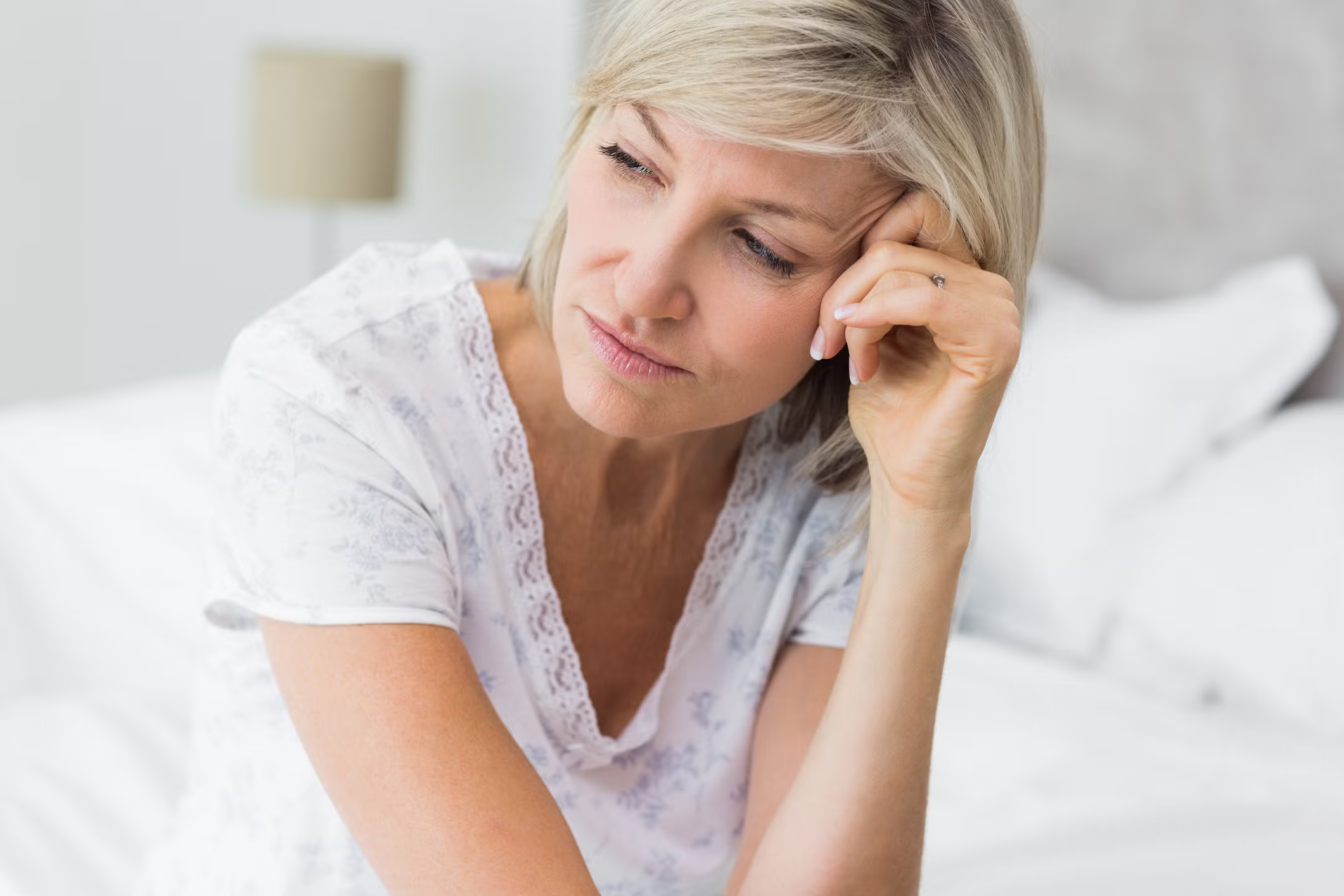
A change in sexual desire can feel confusing, frustrating, or even concerning. Many women wonder whether a lower sex drive is simply part of getting older or a sign that something else is happening. The truth is that low libido is common and can occur at any stage of adult life, often influenced by a combination of physical, emotional, hormonal, and relationship factors.
The good news is that a decline in sexual desire is not always permanent, and it is not caused by age alone. Understanding low libido women causes by age can help you identify possible triggers, have informed conversations with your healthcare provider, and explore treatment options that fit your individual needs.
Quick Answer: What Causes Low Libido in Women?
Low libido in women is often caused by a combination of hormonal changes, stress, relationship factors, mental health, medications, sleep problems, and underlying medical conditions. The reasons can vary with age, from the demands of career and family life in your 30s to perimenopausal hormone shifts in your 40s and menopause-related changes in your 50s and beyond.
What Is Considered Low Libido?
Libido, or sexual desire, naturally varies from person to person. There is no “normal” level of sexual interest that applies to everyone. Low libido generally refers to a noticeable decrease in sexual desire that:
- Lasts for several months or longer.
- Causes personal distress or affects quality of life.
- Is different from your usual pattern of interest.
Temporary changes in desire are common during periods of stress, illness, pregnancy, or major life transitions. Persistent symptoms, however, may deserve closer attention.
Why Does Libido Change With Age?
As women move through different stages of adulthood, the body undergoes hormonal, emotional, and lifestyle changes that can affect sexual health.
Factors that influence libido across the lifespan include:
- Hormone fluctuations.
- Stress and mental health.
- Sleep quality.
- Pregnancy and postpartum recovery.
- Relationship dynamics.
- Chronic medical conditions.
- Medication side effects.
- Menopause and vaginal health changes.
Age itself does not directly cause low libido, but the experiences and biological changes associated with aging can play an important role.
Low Libido in Your 30s: Common Causes
For many women, the 30s are a busy decade filled with career demands, parenting responsibilities, and changing family dynamics. These pressures can have a significant impact on sexual desire.
1. Chronic Stress and Mental Load
Constantly juggling work, family, finances, and caregiving responsibilities can leave little mental energy for intimacy. Elevated stress hormones such as cortisol may also affect sexual desire.
Signs Stress May Be Affecting Libido
- Feeling emotionally exhausted.
- Difficulty relaxing or “switching off.”
- Reduced interest in activities you previously enjoyed.
- Trouble sleeping.
2. Pregnancy and Postpartum Changes
Pregnancy, childbirth, and the postpartum period can temporarily lower libido due to:
- Hormonal fluctuations.
- Physical recovery after delivery.
- Sleep deprivation.
- Breastfeeding-related estrogen changes.
- Emotional adjustment to parenthood.
These changes are common and often improve over time.
3. Birth Control and Medications
Some hormonal contraceptives and certain medications may affect sexual desire in some women. Examples include:
- Certain antidepressants.
- Some hormonal birth control methods.
- Blood pressure medications.
- Medications used to treat anxiety or mood disorders.
If you notice changes after starting a medication, discuss your concerns with your healthcare provider rather than stopping treatment on your own.
Low Libido in Your 40s: Hormones and Life Transitions
The 40s often bring a combination of physical and emotional changes that can influence sexual well-being.
1. Perimenopause
Perimenopause is the transitional period before menopause when estrogen and progesterone levels begin to fluctuate. Symptoms may include:
- Irregular menstrual cycles.
- Mood changes.
- Sleep disturbances.
- Night sweats.
- Vaginal dryness.
- Reduced sexual desire.
Hormonal variability during this stage can contribute to changes in libido, although experiences differ widely between individuals.
2. Sleep Problems and Fatigue
Busy lifestyles, stress, and hormonal changes can disrupt sleep during the 40s. Poor sleep quality may reduce energy levels, affect mood, and lower sexual interest.
3. Relationship and Emotional Factors
Long-term relationships naturally evolve over time. Communication challenges, unresolved conflict, caregiving responsibilities, or emotional disconnection may all affect intimacy and sexual desire.
Low Libido in Your 50s and Beyond: Menopause and Healthy Aging
Many women notice changes in sexual health during and after menopause, but low libido is not an inevitable part of aging.
1. Menopause and Declining Estrogen Levels
After menopause, estrogen levels decline significantly. This can lead to:
- Vaginal dryness.
- Reduced natural lubrication.
- Discomfort during intercourse.
- Changes in genital tissue elasticity.
If intimacy becomes uncomfortable, it is understandable that sexual desire may also decrease.
2. Changes in Testosterone Levels
Women naturally produce small amounts of testosterone, a hormone that also contributes to sexual desire. Levels gradually decline with age, and this may play a role in reduced libido for some individuals.
3. Chronic Health Conditions
Medical conditions become more common with age and can affect sexual well-being. Examples include:
- Diabetes.
- Heart disease.
- Thyroid disorders.
- Arthritis and chronic pain.
- Depression and anxiety.
- Obesity and metabolic syndrome.
Managing these conditions effectively may improve overall quality of life, including sexual health.
Medical Conditions That Can Cause Low Libido at Any Age
Several health conditions can affect sexual desire regardless of age.
Common Medical Causes
- Depression and anxiety disorders.
- Thyroid disease.
- Diabetes.
- Polycystic ovary syndrome (PCOS).
- Chronic fatigue syndrome.
- Endometriosis.
- Chronic pelvic pain.
- Autoimmune diseases.
- Sleep apnea.
- Nutritional deficiencies, including iron deficiency anemia.
Treating the underlying condition often helps improve symptoms.
Can Mental Health Affect Sexual Desire?
Absolutely. Emotional well-being and sexual health are closely connected.
Factors that may lower libido include:
- Chronic stress.
- Anxiety disorders.
- Depression.
- Burnout.
- Poor body image.
- Past trauma.
- Relationship difficulties.
Seeking support from a mental health professional or couples therapist can be a valuable part of a comprehensive treatment plan.
Medications That May Lower Libido
Some commonly prescribed medications can contribute to reduced sexual desire or sexual side effects.
Examples include:
- Selective serotonin reuptake inhibitors (SSRIs) and certain other antidepressants.
- Some blood pressure medications.
- Certain hormonal contraceptives.
- Anti-anxiety medications.
- Some treatments for endometriosis or hormone-sensitive conditions.
Never stop taking a prescribed medication without first consulting your healthcare provider. In some cases, alternative treatments or dosage adjustments may be available.
When Should You See a Healthcare Professional?
Occasional fluctuations in libido are normal, but persistent changes deserve attention if they:
- Last for several months.
- Cause distress or frustration.
- Affect your relationship or quality of life.
- Occur alongside symptoms such as vaginal dryness, pain during intercourse, fatigue, mood changes, or irregular periods.
A healthcare provider can review your medical history, medications, hormone-related symptoms, and overall health to identify possible contributing factors.
How Is Low Libido Evaluated?
A medical evaluation may include:
- A discussion of symptoms and personal concerns.
- Review of medications and supplements.
- Assessment of stress, sleep, and mental health.
- Evaluation of menstrual and menopause history.
- Blood tests, when appropriate, to check for thyroid disorders, anemia, diabetes, or other medical conditions.
Routine hormone testing is not necessary for every woman, but it may be recommended in selected situations based on symptoms and medical history.
What Can Help Improve Low Libido?
Treatment depends on the underlying cause, and many women benefit from a combination of approaches.
Lifestyle and Wellness Strategies
✔ Prioritize consistent, high-quality sleep.
✔ Stay physically active with regular exercise.
✔ Manage stress through mindfulness, yoga, or relaxation techniques.
✔ Maintain open communication with your partner.
✔ Eat a balanced, nutrient-rich diet.
✔ Limit excessive alcohol intake and avoid smoking.
✔ Schedule time for intimacy without pressure or unrealistic expectations.
Medical and Professional Support
Depending on the cause, treatment may include:
- Managing underlying medical conditions.
- Adjusting medications that contribute to symptoms.
- Vaginal moisturizers or lubricants for dryness.
- Menopause-related therapies when appropriate.
- Counseling or sex therapy.
- Treatment for anxiety or depression.
The best approach is individualized and should be discussed with a qualified healthcare professional.
Frequently Asked Questions (FAQ)
What causes low libido in women in their 30s?
Common factors include stress, parenting responsibilities, sleep deprivation, hormonal birth control, pregnancy, postpartum changes, and certain medications.
Why does libido change during perimenopause?
Fluctuating estrogen and progesterone levels during perimenopause can affect mood, sleep, vaginal comfort, and sexual desire.
Is low libido a normal part of menopause?
Some women experience reduced libido during menopause due to hormonal changes and vaginal symptoms, but it is not inevitable, and effective treatments are available.
Can stress and anxiety lower sex drive?
Yes. Chronic stress, anxiety, and emotional exhaustion can reduce sexual interest by affecting both the brain and the body’s hormonal balance.
What medical conditions can cause low libido?
Depression, thyroid disease, diabetes, chronic pain disorders, sleep apnea, anemia, and several other conditions can contribute to reduced sexual desire.
When should I see a doctor about low libido?
Consider seeking medical advice if the change lasts several months, causes distress, affects your relationships, or occurs with other symptoms such as pain, fatigue, menstrual changes, or mood disturbances.
Final Thoughts
Changes in sexual desire are common, and there is rarely a single explanation. Understanding low libido women causes by age can help you recognize that hormonal shifts, stress, mental health, relationships, medications, and underlying medical conditions all play a role.
Whether you’re navigating the demands of your 30s, the hormonal transitions of your 40s, or the changes associated with menopause in your 50s and beyond, low libido is a health concern worth discussing—not something you simply have to accept. With the right support and a personalized approach, many women are able to improve their sexual well-being and overall quality of life.