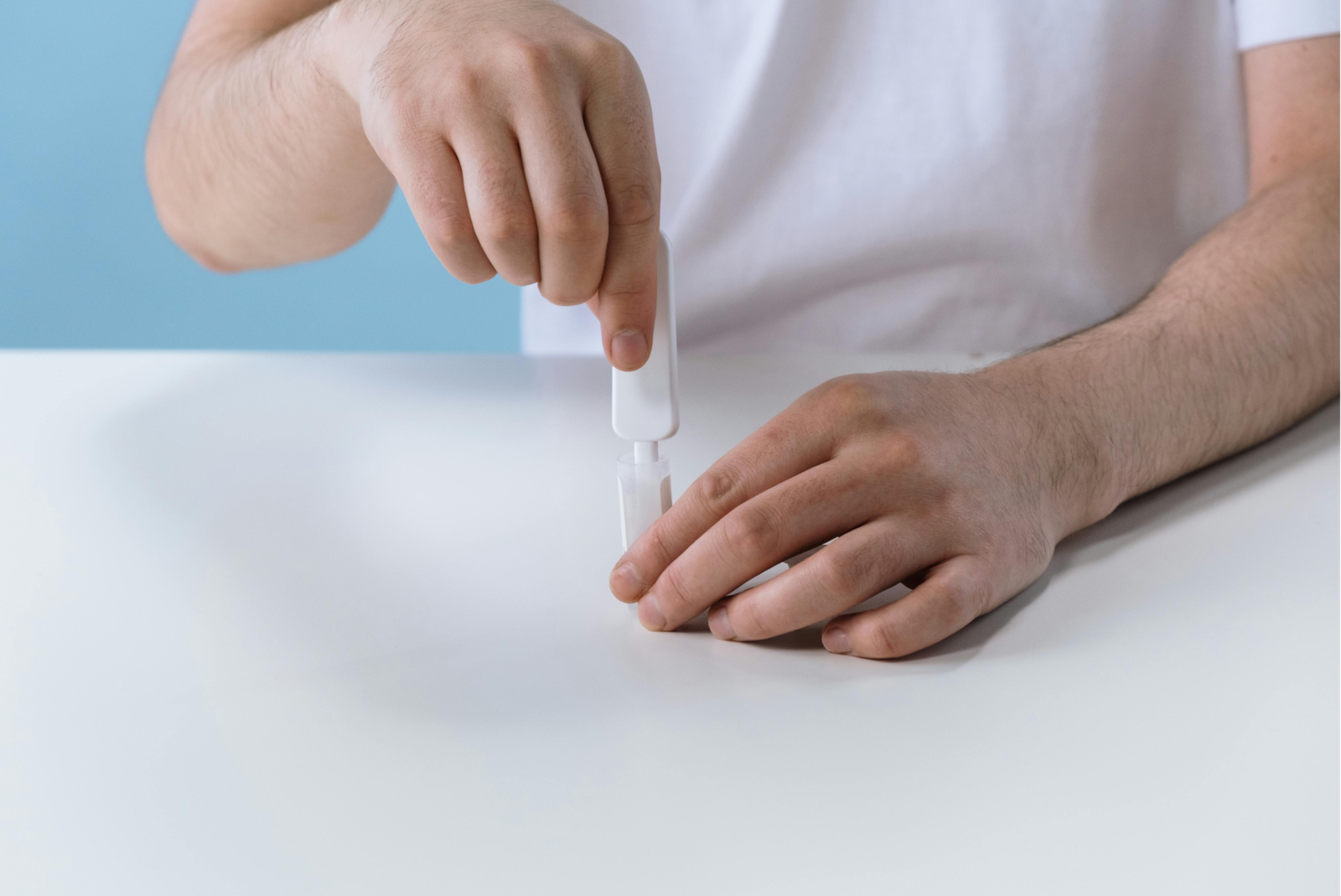
Many people think sexually transmitted infections (STIs) are primarily a concern for younger adults. In reality, STIs can affect people of any age, and adults over 40 remain at risk if they are sexually active. New relationships after divorce or separation, dating later in life, and the misconception that pregnancy is the only reason to use protection can all contribute to ongoing STI transmission.
One of the biggest challenges is that many STIs cause few or no symptoms, allowing infections to go unnoticed for months or even years. That is why understanding STI symptoms adults over 40 testing is an important part of protecting your health and the health of your partners.
Quick Answer: Why Does STI Testing Matter After 40?
STI testing remains important for sexually active adults over 40 because many infections have no symptoms or cause only mild signs that are easy to overlook. Early testing and treatment can help prevent complications, reduce the risk of transmission, and support long-term sexual and reproductive health.
Can Adults Over 40 Get STIs?
Yes. Age does not protect against sexually transmitted infections. Anyone who is sexually active can contract an STI, including people in their 40s, 50s, and beyond.
Factors that may increase the risk include:
- Having a new sexual partner.
- Having multiple sexual partners.
- Starting to date again after divorce or widowhood.
- Not using barrier protection, such as condoms.
- Assuming STI testing is unnecessary because pregnancy is no longer a concern.
- Having a partner whose STI status is unknown.
The increasing use of online dating and changes in relationship status later in life have also contributed to greater awareness of sexual health needs in older adults.
Common STI Symptoms in Adults Over 40
Many STIs are asymptomatic, meaning they do not cause noticeable symptoms. When symptoms do occur, they may be mild and can easily be mistaken for urinary tract infections, skin conditions, menopause-related changes, or other common health issues.
Possible STI Symptoms to Watch For
- Unusual vaginal or penile discharge.
- Burning or pain during urination.
- Sores, blisters, or ulcers around the genitals or mouth.
- Itching, irritation, or rash in the genital area.
- Pelvic pain or lower abdominal discomfort.
- Pain during sexual activity.
- Bleeding between periods or after intercourse.
- Swollen lymph nodes in the groin.
- Unexplained flu-like symptoms, fever, or fatigue after a possible exposure.
Because these symptoms can have many causes, proper medical evaluation and testing are important for an accurate diagnosis.
Which STIs Are Most Common in Adults Over 40?
Several sexually transmitted infections can affect adults in this age group.
1. Chlamydia
Chlamydia often causes no symptoms but can lead to pelvic inflammatory disease, chronic pelvic pain, or fertility problems if left untreated.
Possible symptoms include:
- Painful urination.
- Abnormal discharge.
- Pelvic discomfort.
- Bleeding after sex.
2. Gonorrhea
Like chlamydia, gonorrhea may be silent or produce mild symptoms. Untreated infections can cause serious complications and increase the risk of other infections.
3. Genital Herpes
Herpes is caused by the herpes simplex virus (HSV). Some people experience painful blisters or sores, while others have very mild symptoms or none at all.
4. Human Papillomavirus (HPV)
HPV is one of the most common sexually transmitted infections. Certain strains can cause genital warts, while others are associated with cervical, anal, penile, throat, and other cancers.
5. Syphilis
Syphilis cases have increased in many regions over the past decade. The infection develops in stages and may begin with a painless sore that is easy to miss.
6. Human Immunodeficiency Virus (HIV)
HIV can initially cause flu-like symptoms or no symptoms at all. Early diagnosis allows prompt treatment, helping people live long, healthy lives while reducing the risk of transmission.
Why Are STI Symptoms Sometimes Missed After 40?
Several factors may delay diagnosis.
Symptoms Can Be Confused With Other Conditions
In women, vaginal dryness, hormonal changes, or urinary symptoms related to perimenopause or menopause may resemble STI symptoms. In men, urinary discomfort may be mistaken for prostate or bladder issues.
Many STIs Cause No Symptoms
A person may feel completely healthy while carrying an infection. This is one reason routine testing remains important after a new sexual partnership or potential exposure.
Social Stigma
Some adults feel embarrassed discussing sexual health or assume STIs only affect younger people. This may delay testing and treatment.
When Should Adults Over 40 Get STI Testing?
You should consider STI testing if you:
- Start a new sexual relationship.
- Have multiple sexual partners.
- Have unprotected vaginal, oral, or anal sex.
- Learn that a partner has tested positive for an STI.
- Experience symptoms suggestive of an infection.
- Share needles or have another potential blood-borne exposure.
- Are advised to test by a healthcare professional based on your personal risk factors.
Even without symptoms, testing may be appropriate after a possible exposure because many infections remain silent.
What Does STI Testing Involve?
The type of test depends on the infection being evaluated.
Common STI Screening Methods
- Urine tests: Often used to detect infections such as chlamydia and gonorrhea.
- Blood tests: Used for infections such as HIV, syphilis, and sometimes herpes.
- Swab tests: Samples may be collected from the cervix, vagina, urethra, throat, rectum, or sores depending on symptoms and exposure history.
- HPV and cervical screening: Cervical cancer screening recommendations vary by age and individual risk factors.
Most STI tests are quick, confidential, and available through primary care clinics, sexual health clinics, and other healthcare settings.
Can STIs Be Treated?
Many sexually transmitted infections can be effectively treated, and some can be cured.
Curable STIs
- Chlamydia.
- Gonorrhea.
- Syphilis.
- Trichomoniasis.
Manageable Viral STIs
- Herpes.
- HIV.
- HPV (the virus itself may not be eliminated, but related conditions can often be managed or treated).
Early diagnosis is important because prompt treatment can reduce the risk of long-term complications and help prevent transmission to partners.
How to Reduce Your Risk of STIs
Practicing safer sex is important at every age.
Sexual Health Checklist
✔ Use condoms or other barrier methods correctly and consistently.
✔ Discuss STI testing and sexual health openly with new partners.
✔ Get tested after potential exposure or before starting a new sexual relationship.
✔ Avoid sexual activity if you or your partner have unexplained sores or symptoms until evaluated.
✔ Follow treatment instructions completely if diagnosed with an STI.
✔ Encourage partners to seek testing and treatment when necessary.
✔ Attend routine healthcare visits and recommended screenings.
When Should You See a Healthcare Professional?
Seek medical advice if you experience:
- Genital sores, blisters, or ulcers.
- Unusual discharge.
- Pain or burning during urination.
- Pelvic pain or pain during intercourse.
- Bleeding after sex or between periods.
- A known or suspected STI exposure.
- A new sexual relationship and questions about appropriate screening.
Remember, many STIs have no symptoms at all, so testing may still be appropriate even if you feel well.
Frequently Asked Questions (FAQ)
Can you get an STI after age 40?
Yes. Anyone who is sexually active can develop a sexually transmitted infection regardless of age.
What are the most common STI symptoms in adults over 40?
Symptoms may include unusual discharge, painful urination, genital sores, itching, pelvic pain, bleeding after intercourse, or flu-like symptoms. However, many STIs cause no symptoms.
Should adults over 40 get tested for STIs if they have no symptoms?
Testing may be recommended after a new sexual partnership, potential exposure, or based on personal risk factors because many infections are asymptomatic.
Are STI symptoms different after menopause?
Some STI symptoms can overlap with menopause-related changes, such as vaginal dryness or urinary discomfort, making testing and medical evaluation especially important.
How often should sexually active adults be tested for STIs?
The appropriate testing schedule depends on personal risk factors, sexual activity, and healthcare provider recommendations. Individuals with new or multiple partners may benefit from more frequent screening.
Can STIs be cured?
Many bacterial STIs, such as chlamydia, gonorrhea, and syphilis, can be cured with appropriate treatment. Viral infections like HIV and herpes can often be effectively managed with modern therapies.
Final Thoughts
Sexual health remains an important part of overall well-being throughout adulthood. Understanding STI symptoms adults over 40 testing helps challenge the myth that sexually transmitted infections are only a concern for younger people.
Because many STIs cause mild symptoms—or none at all—regular communication with healthcare providers and timely testing after potential exposure can play a key role in protecting your health. Whether you are entering a new relationship, dating after many years, or simply staying proactive about your wellness, STI awareness and appropriate screening remain valuable at every stage of adult life.