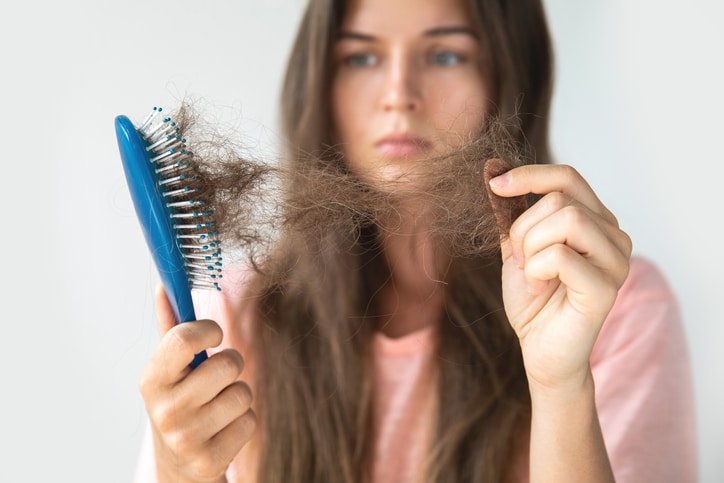
Finding more hair in your brush, shower drain, or on your pillow can be alarming at any age. While many people associate hair loss with men, millions of women experience noticeable hair thinning, increased shedding, or changes in hair density throughout adulthood.
What many women don’t realize is that the causes of hair loss often change with age. The factors affecting hair in your 30s may be very different from those contributing to thinning in your 40s or 50s.
Understanding hair loss women causes by age decade can help you identify possible triggers, seek appropriate treatment, and take proactive steps to support healthy hair growth.
Quick Answer: Why Does Hair Loss Change With Age?
Hair loss in women is influenced by hormonal changes, genetics, stress, nutritional status, medical conditions, and aging-related shifts in hair growth cycles. In your 30s, stress and pregnancy-related changes are common causes. In your 40s, hormonal fluctuations during perimenopause often become more important. In your 50s, menopause, genetics, and age-related changes in hair follicles frequently play a larger role.
Understanding Normal Hair Shedding
Before discussing age-specific causes, it’s important to understand that some hair loss is completely normal.
Most people lose approximately:
- 50 to 100 hairs per day.
- More shedding may occur temporarily after illness, stress, or hormonal changes.
Hair grows in cycles:
- Growth phase (anagen).
- Transition phase (catagen).
- Resting and shedding phase (telogen).
When this cycle becomes disrupted, excessive shedding or thinning may occur.
Hair Loss in Your 30s: Common Causes
For many women, the 30s are a decade marked by career growth, family responsibilities, pregnancy, and lifestyle changes. These factors can significantly affect hair health.
1. Stress-Related Hair Loss
Chronic stress is one of the most common hair loss women causes by age decade discussions for women in their 30s.
High stress levels may trigger telogen effluvium, a condition in which more hairs than usual enter the shedding phase.
Signs of Stress-Related Hair Loss
- Increased hair shedding.
- Hair found on pillows or clothing.
- Diffuse thinning across the scalp.
- Noticeable shedding several months after a stressful event.
Common triggers include:
- Work-related stress.
- Emotional trauma.
- Major life changes.
- Illness or surgery.
2. Pregnancy and Postpartum Hair Loss
Many women notice thicker hair during pregnancy due to hormonal changes. However, after childbirth, hormone levels shift rapidly, often leading to temporary hair shedding.
Postpartum Hair Loss
- Usually begins two to four months after delivery.
- Often peaks around four to six months postpartum.
- Typically improves over time.
While it can be distressing, postpartum hair loss is usually temporary.
3. Nutritional Deficiencies
Busy schedules and dietary restrictions can sometimes contribute to nutrient deficiencies that affect hair growth.
Important nutrients include:
- Iron.
- Protein.
- Vitamin D.
- Zinc.
- Vitamin B12.
Low iron levels are a particularly common cause of hair shedding in women.
4. Polycystic Ovary Syndrome (PCOS)
PCOS can affect women during their reproductive years and may contribute to:
- Hair thinning on the scalp.
- Increased facial or body hair growth.
- Irregular menstrual cycles.
- Acne.
Hormonal imbalance associated with PCOS may play a significant role in hair loss.
Hair Loss in Your 40s: Hormonal Shifts Become More Important
The 40s often bring subtle hormonal changes that affect hair density and growth patterns.
1. Perimenopause
Perimenopause is the transitional period before menopause, during which estrogen and progesterone levels fluctuate.
These hormonal changes may:
- Shorten the hair growth phase.
- Increase shedding.
- Cause hair to appear thinner.
- Reduce overall hair volume.
Hair may also become drier or more fragile during this stage.
2. Female Pattern Hair Loss
Also called female pattern hair loss (FPHL), this is one of the most common causes of progressive hair thinning in women.
Typical Features
- Widening of the hair part.
- Reduced density at the crown.
- Gradual thinning rather than sudden shedding.
- Preservation of the frontal hairline in many cases.
Genetics often plays a significant role.
3. Thyroid Disorders
Thyroid problems become increasingly common during midlife.
Both:
- Hypothyroidism (underactive thyroid).
- Hyperthyroidism (overactive thyroid).
can contribute to hair thinning and excessive shedding.
Other symptoms may include:
- Fatigue.
- Weight changes.
- Mood changes.
- Temperature sensitivity.
4. Chronic Stress and Sleep Problems
Women in their 40s often juggle work responsibilities, family obligations, caregiving roles, and lifestyle demands.
Poor sleep and chronic stress may contribute to:
- Increased shedding.
- Reduced hair quality.
- Slower hair regrowth.
Hair Loss in Your 50s: Menopause and Aging
By the 50s, menopause becomes one of the most significant influences on hair health.
1. Menopause-Related Hair Changes
After menopause, estrogen levels decline significantly.
This may lead to:
- Thinner hair.
- Reduced hair growth.
- Increased scalp visibility.
- Loss of volume.
Because estrogen supports hair growth, lower levels may allow genetic hair thinning patterns to become more noticeable.
2. Age-Related Hair Follicle Changes
Hair follicles naturally change with age.
Common changes include:
- Smaller hair follicles.
- Slower growth cycles.
- Finer hair strands.
- Reduced density.
These changes can occur even in otherwise healthy women.
3. Genetics Become More Noticeable
Women who have a family history of hair thinning may notice more significant changes after menopause.
Genetic hair loss often develops gradually and becomes more visible as protective hormonal influences decline.
4. Medical Conditions and Medications
The likelihood of chronic health conditions increases with age.
Potential contributors include:
- Diabetes.
- Autoimmune disorders.
- Thyroid disease.
- Nutritional deficiencies.
- Certain medications for blood pressure, mood disorders, or chronic illnesses.
A comprehensive medical evaluation can help identify treatable causes.
Hair Loss Causes That Can Occur at Any Age
Some conditions can affect women throughout adulthood.
Iron Deficiency
Low iron stores are among the most common reversible causes of hair loss in women.
Autoimmune Conditions
Conditions such as:
- Alopecia areata.
- Lupus.
- Certain thyroid disorders.
may contribute to patchy or diffuse hair loss.
Rapid Weight Loss
Significant calorie restriction or rapid weight loss can temporarily disrupt the hair growth cycle.
Severe Illness
Hair shedding often occurs several months after:
- High fever.
- Major surgery.
- Serious infection.
- Significant physical stress.
When Should You See a Healthcare Professional?
Consider medical evaluation if you notice:
- Sudden or severe hair loss.
- Patchy bald spots.
- Hair loss accompanied by scalp irritation.
- Hair thinning with fatigue or menstrual changes.
- Progressive widening of the hair part.
- Hair loss that persists for several months.
Early assessment may help identify treatable causes before significant thinning develops.
How Doctors Evaluate Hair Loss
A healthcare provider may review:
- Medical history.
- Family history of hair loss.
- Medications and supplements.
- Recent illnesses or stressors.
- Hormonal symptoms.
Possible tests may include:
- Iron studies.
- Thyroid function testing.
- Vitamin D levels.
- Hormone evaluation when appropriate.
Diagnosis helps guide treatment and rule out underlying health conditions.
Treatment Options for Hair Loss in Women
The most effective treatment depends on the cause.
Common Approaches
✔ Treating nutritional deficiencies.
✔ Managing thyroid disorders.
✔ Addressing hormonal imbalances.
✔ Improving stress management and sleep quality.
✔ Using medically recommended hair growth treatments when appropriate.
✔ Maintaining a balanced diet rich in protein, iron, and essential nutrients.
✔ Avoiding harsh hairstyling practices that place excessive tension on the hair.
Because treatments vary based on the underlying diagnosis, professional guidance is important.
Hair Health Tips for Every Decade
In Your 30s
- Prioritize stress management.
- Maintain adequate iron and protein intake.
- Address postpartum changes when needed.
In Your 40s
- Monitor hormonal and thyroid health.
- Prioritize sleep quality.
- Seek early evaluation for persistent thinning.
In Your 50s
- Discuss menopause-related changes with your healthcare provider.
- Focus on scalp health and nutrition.
- Monitor chronic health conditions that may affect hair growth.
Frequently Asked Questions (FAQ)
What causes hair loss in women in their 30s?
Stress, postpartum hormonal changes, nutritional deficiencies, PCOS, and certain medical conditions are common causes.
Why does hair thin during perimenopause?
Fluctuating estrogen and progesterone levels can shorten the hair growth cycle and contribute to increased shedding and thinning.
Is hair loss after menopause normal?
Hair thinning becomes more common after menopause due to hormonal changes, aging hair follicles, and genetic factors.
Can thyroid problems cause hair loss?
Yes. Both underactive and overactive thyroid disorders can affect the hair growth cycle and contribute to thinning.
Is female pattern hair loss hereditary?
Yes. Genetics is a major factor in female pattern hair loss, particularly during midlife and after menopause.
When should I worry about hair loss?
Seek medical evaluation if hair loss is sudden, severe, patchy, progressive, or accompanied by other symptoms such as fatigue, weight changes, or scalp irritation.
Final Thoughts
Hair changes are a common part of life, but understanding hair loss women causes by age decade can help you identify what may be happening and when to seek support.
In your 30s, stress, pregnancy, and nutritional factors often play a major role. During your 40s, hormonal fluctuations and female pattern hair loss become increasingly important. By your 50s, menopause, genetics, and aging-related changes in hair follicles frequently contribute to thinning.
The encouraging news is that many causes of hair loss are manageable or treatable. Early evaluation, healthy lifestyle habits, and personalized medical guidance can help protect hair health and confidence at every stage of adulthood.