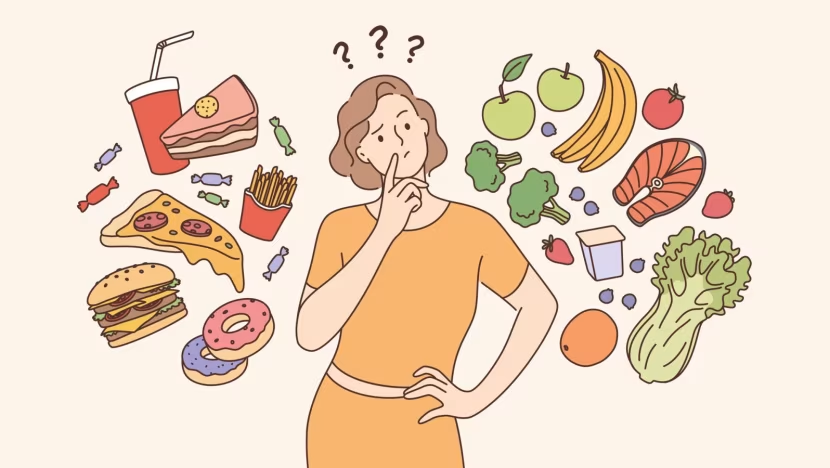
Walk through any supermarket and you’ll find shelves filled with packaged snacks, sugary cereals, soft drinks, frozen meals, instant noodles, flavored chips, and ready-to-eat convenience foods. These products are often affordable, convenient, and heavily marketed—but many fall into a category known as ultra-processed foods (UPFs).
Over the past decade, nutrition researchers have become increasingly concerned about the health effects of diets heavily reliant on ultra-processed foods. While eating these foods occasionally is unlikely to cause major problems, consuming them daily may affect weight, blood sugar, heart health, gut health, and overall longevity.
Understanding ultra processed food health effects daily can help you make informed choices without falling into extreme or unrealistic dieting approaches.
Quick Answer: What Happens If You Eat Ultra-Processed Foods Every Day?
Daily consumption of ultra-processed foods has been associated with higher risks of obesity, type 2 diabetes, cardiovascular disease, poor gut health, high blood pressure, and excessive calorie intake. These foods often contain added sugars, unhealthy fats, refined carbohydrates, excess sodium, and ingredients designed to increase palatability and consumption.
What Are Ultra-Processed Foods?
Ultra-processed foods are products that typically contain ingredients rarely used in home cooking, along with industrial processing methods designed to improve flavor, texture, shelf life, or convenience.
Common Examples
- Soft drinks and sugary beverages.
- Packaged cookies and cakes.
- Candy and confectionery products.
- Instant noodles.
- Many fast-food items.
- Processed breakfast cereals.
- Packaged snack foods.
- Frozen ready-to-eat meals.
- Processed meat products.
- Sweetened yogurt desserts.
Not all processed foods are ultra-processed. For example, frozen vegetables, plain yogurt, and canned beans may be processed but are generally not considered ultra-processed.
Why Are Ultra-Processed Foods So Popular?
They offer several advantages:
✔ Convenient.
✔ Long shelf life.
✔ Widely available.
✔ Often inexpensive.
✔ Highly palatable.
However, the same qualities that make them appealing may also contribute to overconsumption.
Ultra Processed Food Health Effects Daily: The Biggest Concerns
Let’s explore what researchers have observed regarding long-term dietary patterns high in ultra-processed foods.
1. Increased Risk of Weight Gain
One of the most studied ultra processed food health effects daily is weight gain.
Why It Happens
Ultra-processed foods often:
- Contain high calorie density.
- Require less chewing.
- Promote faster eating.
- Are engineered to be highly rewarding.
As a result, people may consume more calories before feeling full.
Common Examples
- Chips.
- Sweetened beverages.
- Snack foods.
- Desserts.
Over time, excess calorie intake may contribute to weight gain and obesity.
2. Blood Sugar Spikes and Type 2 Diabetes Risk
Many ultra-processed foods contain:
- Refined starches.
- Added sugars.
- Highly processed grains.
These ingredients can lead to:
- Rapid blood sugar increases.
- Higher insulin demands.
- Greater metabolic stress.
Regular consumption may contribute to insulin resistance and increase the risk of type 2 diabetes over time.
3. Heart Health Concerns
Cardiovascular disease remains one of the leading causes of death worldwide.
Many ultra-processed products contain:
Excess Sodium
May contribute to:
- High blood pressure.
- Fluid retention.
Added Sugars
Associated with:
- Poor metabolic health.
- Elevated cardiovascular risk factors.
Unhealthy Fat Profiles
Some products contain fats that may negatively affect cholesterol levels.
These factors can influence long-term heart health.
4. Poor Gut Health
The digestive system relies on a diverse population of beneficial microorganisms known as the gut microbiome.
Potential Issues
Ultra-processed foods often contain:
- Less dietary fiber.
- Fewer naturally occurring nutrients.
- More refined ingredients.
A low-fiber dietary pattern may negatively affect microbial diversity and digestive health.
5. Increased Hunger and Cravings
Many people notice they can easily consume large amounts of ultra-processed foods.
This isn’t simply a matter of willpower.
Contributing Factors
- Highly rewarding flavor combinations.
- Refined carbohydrates.
- Rapid digestion.
- Lower satiety.
This may lead to:
- Frequent snacking.
- Increased cravings.
- Excess calorie consumption.
6. Higher Sodium Intake
Excess sodium is common in many packaged and convenience foods.
Examples include:
- Frozen meals.
- Processed meats.
- Snack foods.
- Fast food.
High sodium intake may contribute to:
- Elevated blood pressure.
- Increased cardiovascular risk.
Particularly in salt-sensitive individuals.
7. Reduced Nutrient Density
Ultra-processed foods often displace more nutritious options.
If much of the diet consists of packaged products, people may consume fewer:
- Fruits.
- Vegetables.
- Whole grains.
- Legumes.
- Nuts.
- Lean proteins.
This can reduce overall nutrient quality.
8. Potential Impact on Longevity
Several large observational studies have found associations between higher ultra-processed food intake and increased risks of:
- Chronic disease.
- Cardiovascular illness.
- Premature mortality.
It’s important to note that these studies identify associations rather than proving direct causation.
However, the overall trend has raised concerns among public health experts.
Are All Ultra-Processed Foods Equally Harmful?
Not necessarily.
Nutrition exists on a spectrum.
Some products may have:
- Added nutrients.
- Better ingredient profiles.
- Lower sugar levels.
- Lower sodium content.
Context matters.
A single packaged food does not determine health outcomes. Overall dietary patterns are far more important.
Signs Your Diet May Be Too Reliant on Ultra-Processed Foods
You may want to reassess your eating habits if:
✔ Most meals come from packages.
✔ Fruits and vegetables are rarely consumed.
✔ Sugary drinks are consumed daily.
✔ Fast food is a routine part of the week.
✔ Snack foods replace balanced meals.
✔ Fiber intake is consistently low.
How to Reduce Ultra-Processed Food Intake Without Becoming Extreme
You don’t need to eliminate every packaged product.
Small, sustainable changes are often more effective.
1. Add More Whole Foods
Examples:
- Fruits.
- Vegetables.
- Beans.
- Lentils.
- Nuts.
- Whole grains.
2. Prioritize Protein
Protein-rich foods may improve fullness and reduce cravings.
Examples:
- Eggs.
- Fish.
- Chicken.
- Greek yogurt.
- Legumes.
3. Drink More Water
Replacing sugary beverages with water can significantly reduce added sugar intake.
4. Cook More Meals at Home
Home-prepared meals often provide greater control over:
- Ingredients.
- Sodium.
- Sugar.
- Portion sizes.
5. Read Nutrition Labels
Look for products with:
- Lower added sugars.
- Lower sodium.
- Higher fiber content.
What Should You Eat Instead?
Focus on minimally processed foods whenever practical.
Examples
✔ Fresh fruit.
✔ Vegetables.
✔ Oats.
✔ Brown rice.
✔ Beans and lentils.
✔ Nuts and seeds.
✔ Fish.
✔ Poultry.
✔ Eggs.
✔ Plain yogurt.
These foods tend to provide more nutrients and greater satiety.
Frequently Asked Questions (FAQ)
What are ultra-processed foods?
Ultra-processed foods are industrially manufactured products that often contain refined ingredients, additives, flavor enhancers, and preservatives.
Is eating ultra-processed food every day unhealthy?
Regular daily consumption has been associated with higher risks of obesity, diabetes, cardiovascular disease, and poor dietary quality.
Are all processed foods bad?
No. Many processed foods, such as frozen vegetables, canned beans, and plain yogurt, can be part of a healthy diet.
Can ultra-processed foods affect gut health?
Potentially. Diets low in fiber and high in ultra-processed foods may negatively affect gut microbiome diversity.
What is the biggest health concern with ultra-processed foods?
Excess calorie intake, poor nutrient quality, and increased chronic disease risk are among the most significant concerns.
Do I need to eliminate ultra-processed foods completely?
No. Most nutrition experts focus on improving overall dietary patterns rather than achieving perfect elimination.
Final Thoughts
Understanding ultra processed food health effects daily can help you make healthier food choices without falling into all-or-nothing thinking. While ultra-processed foods are convenient and widely available, diets heavily reliant on them have been linked to weight gain, poor metabolic health, increased cardiovascular risk factors, and reduced dietary quality.
The goal isn’t perfection. It’s progress.
By gradually increasing whole and minimally processed foods while reducing reliance on heavily processed products, you can improve nutrition, support long-term health, and lower your risk of many chronic diseases. Small, consistent dietary improvements often deliver the greatest long-term results.