
Inflammation is a natural part of the body’s defense system. When you cut your finger or fight off an infection, inflammation helps you heal. However, when inflammation becomes chronic and persists for months or years, it may contribute to a wide range of health problems.
Research has linked chronic inflammation to conditions such as heart disease, type 2 diabetes, obesity, arthritis, fatty liver disease, and certain autoimmune disorders. While no single food can eliminate inflammation overnight, dietary patterns can significantly influence how much inflammation occurs throughout the body.
Understanding anti-inflammatory diet plan foods can help you build sustainable eating habits that support long-term health and wellness.
Quick Answer: What Is an Anti-Inflammatory Diet?
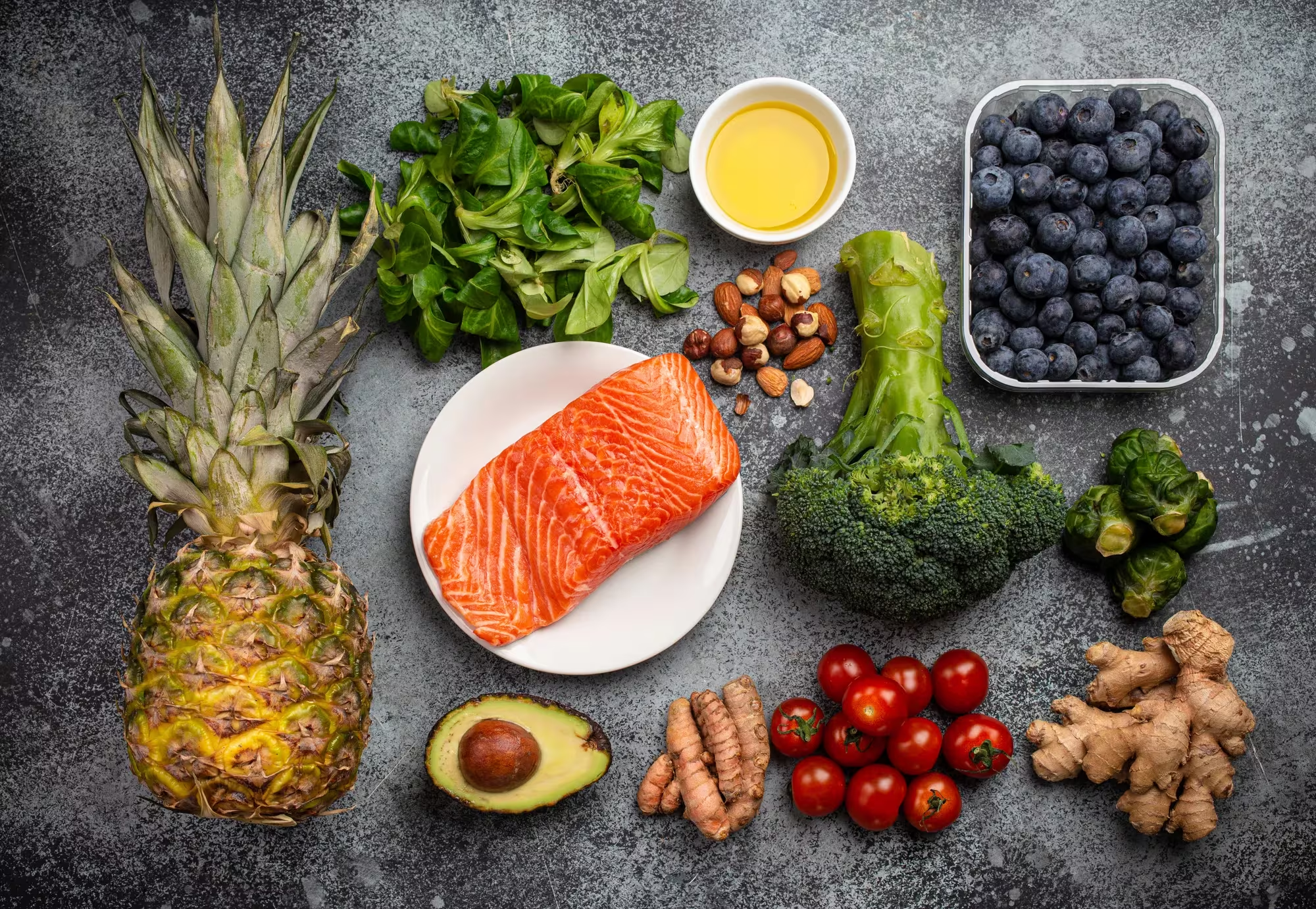
An anti-inflammatory diet focuses on whole, minimally processed foods such as vegetables, fruits, legumes, whole grains, nuts, seeds, fatty fish, and healthy fats while limiting ultra-processed foods, sugary drinks, refined carbohydrates, and excessive processed meats.
The goal is not perfection but creating an eating pattern that supports overall health and reduces chronic inflammation over time.
What Is Chronic Inflammation?
Unlike short-term inflammation that helps the body heal, chronic inflammation may continue even when there is no immediate threat.
Over time, this ongoing inflammatory state may contribute to:
- Heart disease.
- Type 2 diabetes.
- Arthritis.
- Metabolic syndrome.
- Certain cancers.
- Cognitive decline.
- Autoimmune conditions.
Lifestyle factors—including diet, sleep, stress, physical activity, and smoking—can influence inflammation levels.
Why Diet Matters for Inflammation
Food affects:
- Blood sugar regulation.
- Gut microbiome health.
- Immune system activity.
- Oxidative stress.
- Body weight.
Some foods appear to support healthier inflammatory responses, while others may contribute to chronic low-grade inflammation when consumed regularly.
Anti-Inflammatory Diet Plan Foods: What to Eat More Often
Let’s explore the foods most commonly associated with anti-inflammatory eating patterns.
1. Vegetables
Vegetables form the foundation of most anti-inflammatory diets.
Top Choices
- Spinach.
- Kale.
- Broccoli.
- Brussels sprouts.
- Cauliflower.
- Bell peppers.
- Carrots.
- Tomatoes.
Why They Help
Vegetables provide:
- Fiber.
- Vitamins.
- Minerals.
- Antioxidants.
- Plant compounds that support overall health.
Aim to include vegetables at most meals.
2. Fruits
Fruits contain beneficial nutrients and antioxidant compounds.
Excellent Options
- Blueberries.
- Strawberries.
- Raspberries.
- Blackberries.
- Cherries.
- Oranges.
- Apples.
- Pomegranates.
Berries are especially popular in anti-inflammatory eating plans.
3. Fatty Fish
Fatty fish provide omega-3 fatty acids, which are associated with various health benefits.
Best Choices
- Salmon.
- Sardines.
- Mackerel.
- Trout.
- Herring.
Try to include fish regularly if appropriate for your dietary preferences.
4. Extra Virgin Olive Oil
A staple of the Mediterranean diet, olive oil is one of the most studied anti-inflammatory foods.
Benefits
- Rich in monounsaturated fats.
- Contains antioxidant compounds.
- Supports cardiovascular health.
Use it for:
- Salad dressings.
- Roasted vegetables.
- Cooking when appropriate.
5. Nuts and Seeds
Nuts and seeds provide:
- Healthy fats.
- Fiber.
- Protein.
- Minerals.
Good Choices
- Walnuts.
- Almonds.
- Pistachios.
- Chia seeds.
- Flaxseeds.
- Pumpkin seeds.
Moderate portions can be a healthy addition to most diets.
6. Whole Grains
Whole grains provide more fiber and nutrients than refined grains.
Examples
- Oats.
- Brown rice.
- Quinoa.
- Barley.
- Whole wheat.
Fiber supports both gut and metabolic health.
7. Legumes
Beans, lentils, and peas are nutritional powerhouses.
Benefits
- High fiber content.
- Plant-based protein.
- Support healthy blood sugar regulation.
Examples include:
- Black beans.
- Chickpeas.
- Lentils.
- Kidney beans.
8. Herbs and Spices
Certain herbs and spices contain naturally occurring plant compounds that contribute to overall dietary quality.
Popular Choices
- Turmeric.
- Ginger.
- Cinnamon.
- Garlic.
- Rosemary.
- Oregano.
Using herbs and spices may also reduce reliance on excess salt.
9. Green Tea
Green tea contains antioxidant compounds known as polyphenols.
Many people include green tea as part of an anti-inflammatory dietary pattern.
Foods to Limit or Avoid
No food needs to be permanently banned, but some foods are commonly reduced in anti-inflammatory eating plans.
1. Sugary Beverages
Examples:
- Soft drinks.
- Sweetened teas.
- Energy drinks.
Excess sugar intake may contribute to weight gain and metabolic problems.
2. Ultra-Processed Foods
Examples:
- Packaged snack foods.
- Candy.
- Highly processed desserts.
- Fast food.
These foods often contain excess calories, sodium, and refined ingredients.
3. Refined Carbohydrates
Examples:
- White bread.
- Pastries.
- Sugary breakfast cereals.
Replacing them with whole grains may improve dietary quality.
4. Processed Meats
Examples:
- Sausages.
- Hot dogs.
- Bacon.
- Deli meats.
Many health organizations recommend limiting processed meat consumption.
5. Excessive Alcohol
Moderation is important.
Excess alcohol intake may contribute to inflammation and other health concerns.
Sample 1-Day Anti-Inflammatory Diet Plan
Breakfast
- Oatmeal.
- Blueberries.
- Chia seeds.
- Green tea.
Mid-Morning Snack
- Apple.
- Handful of almonds.
Lunch
- Mixed greens salad.
- Grilled salmon.
- Olive oil dressing.
- Quinoa.
Afternoon Snack
- Greek yogurt.
- Strawberries.
Dinner
- Roasted vegetables.
- Lentils.
- Brown rice.
- Side salad.
Evening Option
- Herbal tea.
Anti-Inflammatory Diet and Weight Loss
Many people lose weight when switching to a whole-food eating pattern.
Why?
Common Reasons
- Higher fiber intake.
- Better satiety.
- Reduced calorie density.
- Less reliance on processed foods.
Weight loss itself may help reduce inflammation in some individuals.
Anti-Inflammatory Diet and Gut Health
The gut microbiome plays an important role in immune system function.
Fiber-rich foods help nourish beneficial gut bacteria.
Helpful Foods
- Fruits.
- Vegetables.
- Beans.
- Whole grains.
Supporting gut health may contribute to a healthier inflammatory response.
Can an Anti-Inflammatory Diet Help Arthritis?
Many people with arthritis explore anti-inflammatory eating patterns.
While diet is not a cure, healthier eating habits may:
- Support overall health.
- Help manage weight.
- Improve energy levels.
- Complement medical treatment.
Dietary responses vary between individuals.
Common Mistakes to Avoid
Expecting Immediate Results
Reducing inflammation is typically a long-term process.
Buying Expensive “Superfoods”
Many affordable foods provide excellent nutrition.
Examples:
- Oats.
- Beans.
- Frozen vegetables.
- Apples.
Focusing on One Food
No single food eliminates inflammation.
Overall dietary patterns matter most.
Lifestyle Habits That Support an Anti-Inflammatory Diet
Nutrition works best alongside:
✔ Regular physical activity.
✔ Adequate sleep.
✔ Stress management.
✔ Smoking avoidance.
✔ Healthy weight management.
Together, these habits can influence inflammation levels more effectively than diet alone.
Frequently Asked Questions (FAQ)
What foods reduce inflammation the most?
Vegetables, fruits, fatty fish, olive oil, nuts, seeds, legumes, and whole grains are commonly included in anti-inflammatory diets.
What foods should I avoid on an anti-inflammatory diet?
Many people limit sugary drinks, ultra-processed foods, refined carbohydrates, and processed meats.
Is the Mediterranean diet anti-inflammatory?
Yes. The Mediterranean diet is widely considered one of the best-studied anti-inflammatory eating patterns.
Can an anti-inflammatory diet help with arthritis?
It may support overall health and complement medical treatment, although it is not a cure.
How long does it take to reduce inflammation through diet?
Changes vary by individual, but consistent dietary improvements typically matter more than short-term efforts.
Do I need special supplements?
Most people can focus on improving overall dietary quality first. Discuss supplements with a healthcare professional if needed.
Final Thoughts
Building an eating pattern around anti-inflammatory diet plan foods is one of the most practical ways to support long-term health. Rather than focusing on restrictive rules or trendy “miracle foods,” prioritize vegetables, fruits, whole grains, legumes, nuts, seeds, healthy fats, and minimally processed proteins.
At the same time, reducing ultra-processed foods, sugary beverages, refined carbohydrates, and processed meats can improve overall dietary quality and support healthier inflammatory responses.
The most effective anti-inflammatory diet is not the most complicated one—it’s the one you can maintain consistently for years. Small, sustainable improvements often produce the biggest long-term health benefits.
Leave a Reply