Copper is an essential trace mineral your body needs in small amounts to function properly. Even though it’s required in tiny quantities, copper plays a major role in energy production, brain health, immune defense, and red blood cell formation.
Most copper in the body is stored in the liver, brain, heart, kidneys, and muscles. However, balance is crucial — both too little and too much copper can lead to serious health problems.
In this guide, we’ll answer the important question: What is copper used for? We’ll also explore its health benefits, food sources, deficiency symptoms, toxicity risks, and recommended intake.
Key Takeaways
- Copper supports energy production, nerve function, and immune health.
- It helps form red blood cells and collagen.
- Both deficiency and excess copper can cause health issues.
- Most people get enough copper from food.
- Supplements should only be taken under medical supervision.
What Is Copper Used For in the Body?
Copper supports several vital processes:
1. Energy Production
Copper helps enzymes produce ATP (energy) inside cells. Without adequate copper, the body may struggle with fatigue and weakness.
2. Red Blood Cell Formation
Copper helps the body absorb and use iron, which is essential for making healthy red blood cells and preventing anemia.
3. Brain and Nervous System Function
Copper supports communication between brain cells and helps maintain the protective covering around nerves.
4. Immune System Support
It helps white blood cells fight infections and supports overall immune defense.
5. Collagen Production
Copper is necessary for making collagen, which keeps:
- Skin firm
- Bones strong
- Blood vessels healthy
- Connective tissues flexible
6. Antioxidant Protection
Copper is part of important antioxidant enzymes that fight free radicals and protect cells from damage.
Health Benefits of Copper
When consumed in proper amounts, copper contributes to:
1. Heart Health
Copper may help:
- Maintain healthy blood pressure
- Support normal cholesterol levels
- Protect heart tissues from oxidative damage
Low copper levels have been linked to increased heart disease risk.
2. Brain Health
Balanced copper levels support normal brain function. However, both deficiency and excess may be linked to neurological disorders.
3. Bone Strength
Copper helps maintain bone density by supporting collagen production and bone mineralization.
4. Immune Defense
Adequate copper improves the body’s ability to fight infections.
Copper Deficiency: Causes & Symptoms
Copper deficiency is rare in people who eat a balanced diet, but it can happen.
Causes of Copper Deficiency
- Genetic disorders (like Menkes disease)
- Malabsorption disorders (e.g., celiac disease)
- Excess zinc supplementation
- Premature infants or infants fed only cow’s milk
- Certain metabolic disorders
Symptoms of Copper Deficiency
- Fatigue and weakness
- Frequent infections
- Low white blood cell count (neutropenia)
- Anemia
- Brittle bones
- Irregular heartbeat
- Pale skin
- Neurological problems
Severe deficiency can increase the risk of heart and nervous system disorders.
Copper Imbalance and Related Diseases
Menkes Disease
A rare inherited disorder where the body cannot properly absorb copper. It mainly affects infants and can cause severe developmental issues.
Wilson’s Disease
A genetic condition where copper builds up in the liver and brain, leading to liver damage and neurological symptoms.
Neurodegenerative Conditions
Imbalanced copper levels have been studied in connection with:
- Alzheimer’s disease
- Parkinson’s disease
Research is ongoing to better understand these links.
Copper Toxicity: Symptoms & Risks
Copper toxicity is uncommon but can occur due to:
- Excess supplement use
- Contaminated drinking water
- Prolonged use of copper cookware
- Industrial exposure
Symptoms of Copper Toxicity
Mild symptoms:
- Nausea
- Vomiting
- Diarrhea
- Stomach pain
- Metallic taste
Severe symptoms:
- Liver damage
- Red blood cell destruction
- Heart complications
If toxicity is suspected, immediate medical attention is necessary.
Best Food Sources of Copper
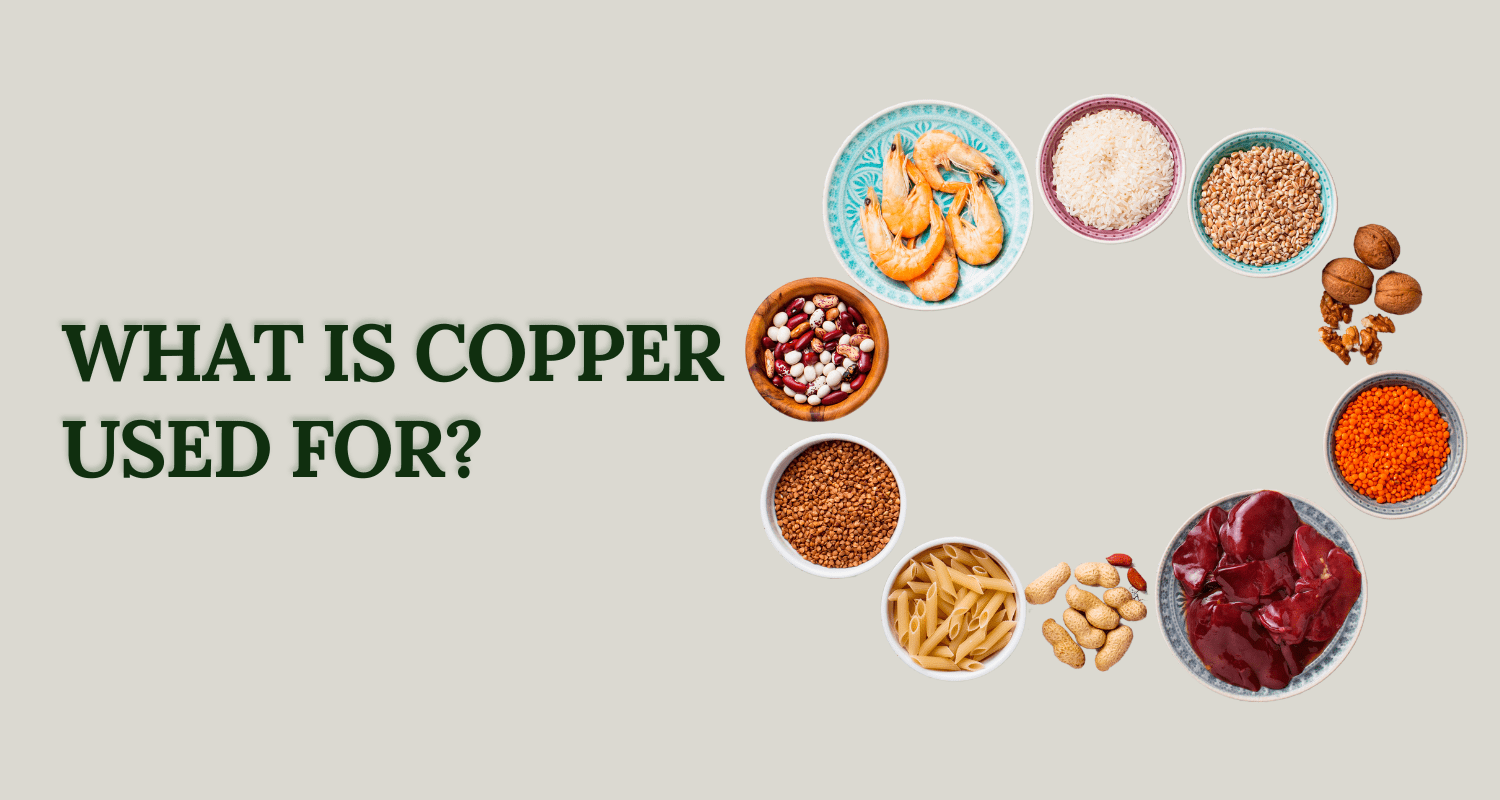
Most people can meet their copper needs through diet alone.
High-Copper Foods
- Oysters and shellfish
- Organ meats (liver, kidneys)
- Whole grains (quinoa, brown rice)
- Beans and lentils
- Nuts (cashews, almonds)
- Dark leafy greens (spinach, Swiss chard)
- Potatoes
- Dried fruits (prunes, figs)
- Cocoa and dark chocolate
- Black pepper and yeast
A balanced diet including these foods usually provides adequate copper intake.
Recommended Daily Intake of Copper
Copper needs vary by age and life stage:
- Children 1–3 years: 340 mcg/day
- Children 4–8 years: 440 mcg/day
- Children 9–13 years: 700 mcg/day
- Adults (men & women): 900 mcg/day
- Pregnant women: 1,000 mcg/day
- Breastfeeding women: 1,300 mcg/day
Always consult a healthcare provider for personalized recommendations.
Copper Supplements: Should You Take Them?
Copper supplements may be recommended if:
- A deficiency is diagnosed
- You have certain absorption disorders
- Your doctor advises supplementation
However, excess supplementation can be harmful. Copper can also interact with zinc and certain medications.
Food sources are generally preferred over supplements.
Final Thoughts: Why Copper Matters
So, what is copper used for?
Copper is essential for:
- Energy production
- Heart and brain health
- Immune defense
- Collagen and bone formation
- Red blood cell production
While deficiency is rare, maintaining proper copper balance is crucial. Most people can meet their needs through a varied and balanced diet rich in whole foods.
If you’re considering supplements or have symptoms of imbalance, consult a healthcare professional first.