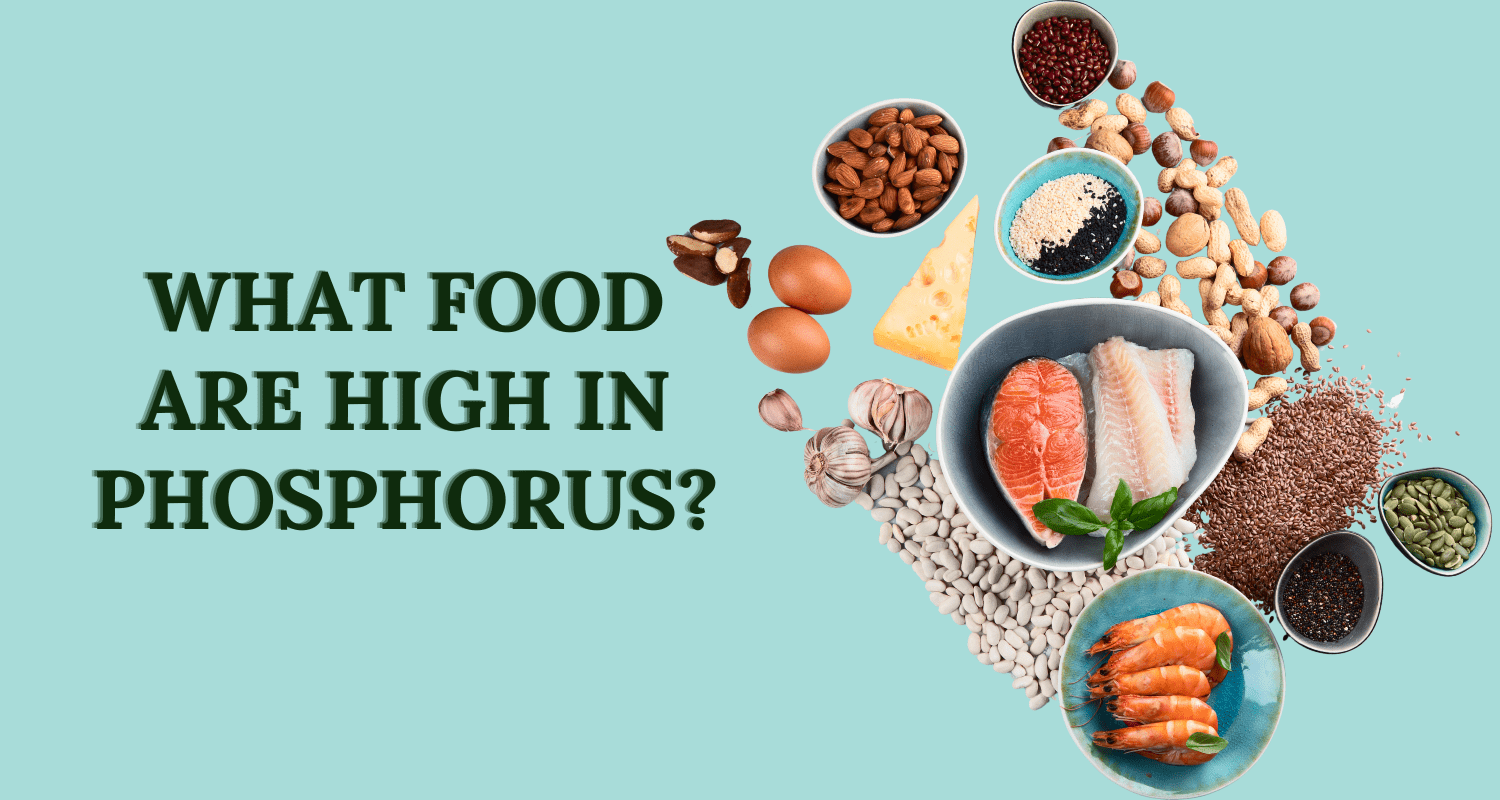
Phosphorus doesn’t get as much attention as calcium or vitamin D — but it absolutely should.
This essential mineral plays a major role in:
- Building strong bones and teeth
- Supporting nerve function
- Helping muscles contract
- Producing energy at the cellular level
- Maintaining healthy cells and tissues
In fact, according to the National Institutes of Health (NIH), phosphorus is the second most abundant mineral in the body (after calcium).
So naturally, the question becomes:
What foods are high in phosphorus — and how much do you actually need?
Let’s break it down in a clear, practical way.
Why Is Phosphorus Important?
Phosphorus is involved in nearly every cell in your body.
🦴 1. Supports Bone & Teeth Strength
About 85% of your body’s phosphorus is stored in your bones and teeth. It works alongside calcium to form hydroxyapatite — the compound that gives bones structure and strength.
Without enough phosphorus, bones can become weak over time.
💪 2. Helps Muscles Move
Phosphorus is part of ATP (adenosine triphosphate), which is basically your body’s energy currency. When your muscles contract — whether you’re walking, lifting weights, or even breathing — ATP is involved.
No phosphorus = no energy production at the cellular level.
🧬 3. Supports Healthy Cells
Phosphorus is a key component of:
- DNA and RNA
- Cell membranes
- Enzyme systems
It plays a role in cell repair, growth, and maintenance.
🩸 4. Helps Maintain Acid–Base Balance
Phosphorus helps regulate pH levels in your blood, keeping your internal systems stable.
What Is a Normal Blood Phosphorus Level?
According to standard clinical guidelines in the U.S., normal blood phosphorus levels for adults are typically:
2.5 to 4.5 mg/dL
Levels outside this range may signal underlying health conditions.
- High phosphorus (hyperphosphatemia) can occur in kidney disease.
- Low phosphorus (hypophosphatemia) can cause muscle weakness and fatigue.
If you have chronic kidney disease (CKD), your doctor will monitor phosphorus levels carefully. The National Kidney Foundation (NKF) emphasizes phosphorus control as a key part of kidney care.
What Foods Are High in Phosphorus?
Phosphorus exists in two forms in food:
1️⃣ Organic Phosphorus (Naturally Occurring)
Found in:
- Meat
- Fish
- Poultry
- Dairy
- Nuts
- Seeds
- Legumes
This form is absorbed at a moderate rate by the body.
2️⃣ Inorganic Phosphorus (Added Phosphates)
Found in:
- Fast food
- Processed meats
- Frozen meals
- Cola drinks
- Packaged snacks
This form is absorbed almost 90–100%, making it more likely to raise blood phosphorus levels — especially in people with kidney disease.
High-Phosphorus Foods (Natural Sources)
Here are some of the top natural sources:
🐟 Seafood
- Salmon
- Trout
- Sardines
- Shrimp
Seafood provides phosphorus plus heart-healthy omega-3 fatty acids.
🥛 Dairy Products
- Milk
- Yogurt
- Cheese
Dairy is rich in both calcium and phosphorus.
🍗 Poultry & Meat
- Chicken
- Turkey
- Beef
- Pork
Lean cuts provide phosphorus along with high-quality protein.
🌱 Lentils & Legumes
- Lentils
- Chickpeas
- Black beans
- Kidney beans
Plant-based phosphorus is absorbed at a lower rate due to phytates.
🌰 Nuts & Seeds
- Almonds
- Sunflower seeds
- Pumpkin seeds
- Walnuts
Very nutrient-dense — but also high in phosphorus.
Lower-Phosphorus Alternatives
If you need to limit phosphorus (especially for kidney health), consider:
- Fresh fruits (apples, berries, grapes)
- Fresh vegetables (green beans, cucumbers, peppers)
- White rice
- White bread
- Rice milk (not enriched with phosphates)
- Fresh fish (in moderation)
The key is avoiding phosphate additives, which are commonly listed on labels as:
- “phosphoric acid”
- “calcium phosphate”
- “sodium phosphate”
- “pyrophosphate”
These added phosphates significantly increase absorption.
Foods to Limit if Managing Phosphorus
Especially important for people with kidney disease:
- Processed meats
- Fast food
- Cola drinks
- Bran cereals
- Large amounts of dairy
- Packaged baked goods
The National Kidney Foundation specifically recommends reading ingredient labels to identify hidden phosphate additives.
How Much Phosphorus Do You Need?
According to the NIH:
Recommended Dietary Allowance (RDA) for adults:
👉 700 mg per day
Most Americans already meet or exceed this amount due to high intake of processed foods.
When Are Phosphorus Binders Needed?
People with chronic kidney disease may be prescribed phosphorus binders.
These medications:
- Bind phosphorus in the digestive tract
- Prevent excess absorption
- Help protect bones and blood vessels
They must be taken exactly as prescribed and usually with meals.
This is something only a healthcare provider should determine.
Should You Worry About Phosphorus?
For healthy individuals with normal kidney function:
✔ Your body regulates phosphorus very well.
✔ It’s difficult to get too much from whole foods alone.
For individuals with kidney disease:
⚠ Monitoring phosphorus becomes extremely important.
Excess phosphorus in CKD can lead to:
- Bone weakening
- Heart disease risk
- Vascular calcification
That’s why working with a nephrologist or renal dietitian is essential.
Final Thoughts
Phosphorus is essential — not optional.
It supports:
- Bone health
- Muscle function
- Energy production
- Cell repair
Most people get enough through a balanced diet that includes:
- Lean proteins
- Seafood
- Dairy (if tolerated)
- Legumes
- Nuts
However, the biggest concern in the modern American diet isn’t natural phosphorus — it’s phosphate additives in processed foods.
If you’re healthy, focus on whole foods.
If you have kidney concerns, talk to a healthcare professional or renal dietitian for personalized guidance.