
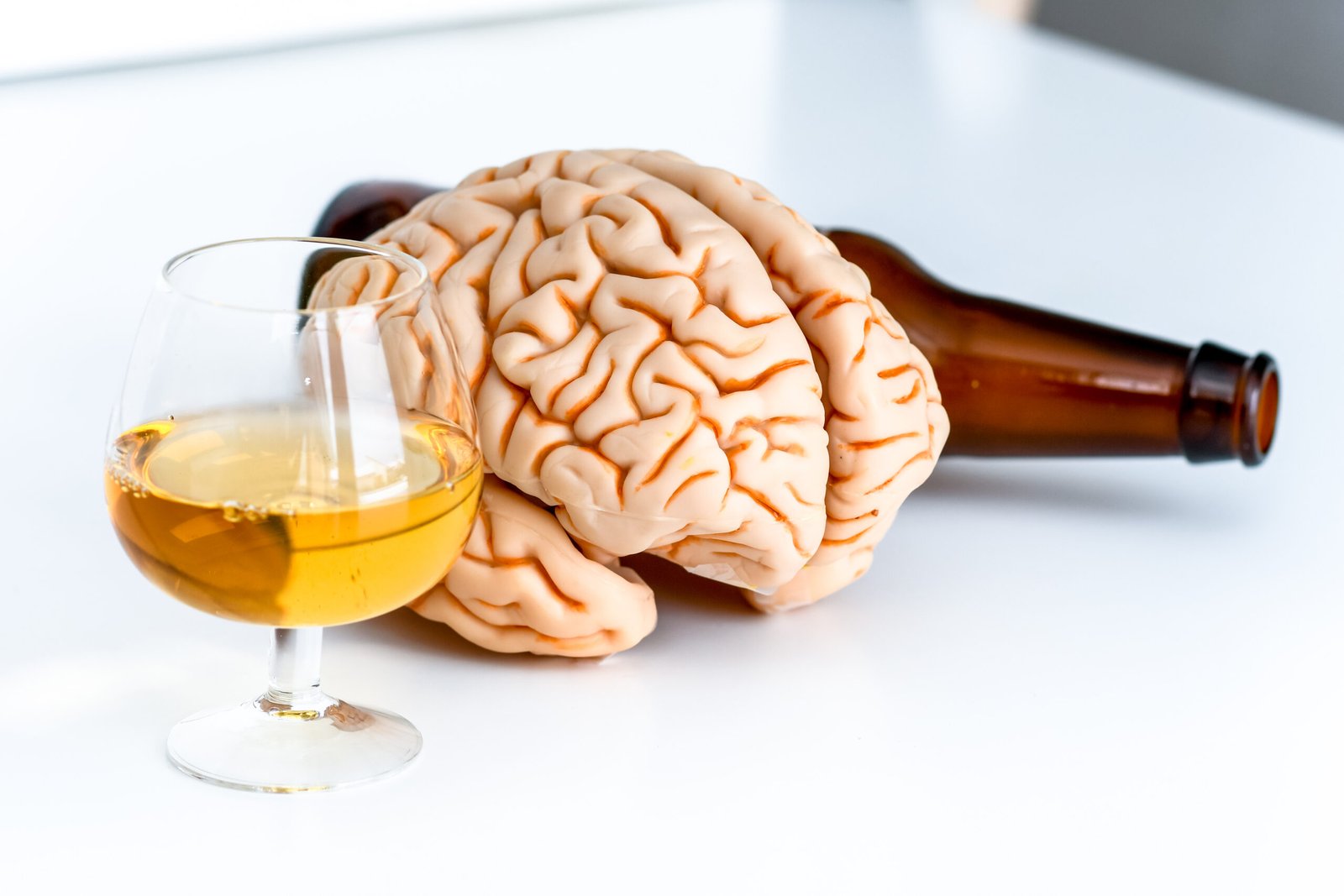
For years, many people believed that moderate alcohol consumption—especially a glass of wine with dinner—was either harmless or potentially beneficial for health.
However, newer research has challenged some of these assumptions.
While heavy drinking clearly increases the risk of brain and health problems, scientists are increasingly studying whether even moderate alcohol consumption may influence brain structure, memory, sleep quality, cognitive aging, and neurological health over time.
Understanding the alcohol brain effects long term moderate drinking research has identified can help people make more informed decisions about alcohol consumption.
Quick Answer: Does Moderate Drinking Affect the Brain?
Research suggests that even moderate alcohol consumption may affect brain health over time. Potential effects include changes in brain volume, sleep quality, memory function, cognitive performance, and healthy aging processes. The degree of risk varies based on individual factors, drinking patterns, genetics, overall health, and total alcohol exposure over many years.
How Alcohol Affects the Brain
Alcohol is a psychoactive substance that directly influences the central nervous system.
When consumed, alcohol affects:
- Neurotransmitters
- Brain signaling pathways
- Memory formation
- Decision-making
- Emotional regulation
- Sleep architecture
Short-term effects are obvious.
Long-term effects are often more subtle and accumulate gradually.
Alcohol Brain Effects Long Term Moderate Drinking: What Research Shows
Scientists continue to study several key areas.
1. Changes in Brain Structure
Modern brain imaging studies suggest alcohol exposure may influence:
- Brain volume
- White matter integrity
- Neural connectivity
Some research indicates that higher levels of alcohol consumption are associated with greater structural brain changes.
Even moderate drinking is increasingly being examined in this context.
2. Effects on Memory
The brain regions involved in memory appear particularly sensitive to alcohol.
Potential long-term effects may include:
- Reduced memory performance
- Difficulty learning new information
- Slower information processing
These effects tend to become more noticeable as people age.
3. Accelerated Brain Aging
One major research question is whether alcohol contributes to faster biological aging of the brain.
Studies have explored links between alcohol use and:
- Cognitive decline
- Brain volume reduction
- Age-related neurological changes
Researchers continue to investigate how much alcohol exposure is required to meaningfully influence these outcomes.
4. Sleep Disruption
Many people believe alcohol helps them sleep.
In reality, alcohol often disrupts normal sleep patterns.
Possible Effects
- Reduced sleep quality
- More nighttime awakenings
- Less restorative sleep
- Altered REM sleep
Poor sleep itself can negatively affect memory, concentration, and brain health.
5. Reduced Cognitive Performance
Long-term alcohol exposure may influence:
- Attention
- Executive function
- Mental processing speed
- Problem-solving ability
These effects vary widely among individuals.
Why Moderate Drinking Is Being Re-Evaluated
Historically, some studies suggested moderate alcohol consumption might provide certain health benefits.
More recent research has identified limitations in many older studies, including:
- Selection bias
- Lifestyle differences between groups
- Measurement challenges
As research methods improve, scientists are taking a more cautious view of alcohol’s potential benefits.
What Counts as Moderate Drinking?
Definitions vary by country and organization.
Generally, moderate drinking refers to relatively low levels of alcohol consumption compared with heavy drinking.
However, risk is influenced by:
- Total weekly intake
- Drinking frequency
- Binge drinking episodes
- Age
- Sex
- Health conditions
Patterns matter as much as quantity.
How Alcohol Affects Brain Chemicals
Alcohol influences several neurotransmitters.
GABA
Associated with:
- Relaxation
- Sedation
Glutamate
Involved in:
- Learning
- Memory
- Cognitive processing
Dopamine
Associated with:
- Reward
- Motivation
Repeated alcohol exposure affects how these systems function.
Alcohol and Mental Health
Alcohol’s relationship with mental health is complex.
Long-term use may influence:
- Anxiety
- Depression
- Stress regulation
- Emotional resilience
Some individuals initially experience temporary relaxation but later notice worsening mental health symptoms
Alcohol and Dementia Risk
Researchers continue to study links between alcohol consumption and dementia risk.
Key findings include:
Heavy Drinking
Clearly associated with increased risk of cognitive impairment.
Moderate Drinking
Evidence remains more complex and continues to evolve.
Scientists generally emphasize overall brain-health habits rather than focusing on alcohol alone.
Who May Be More Vulnerable?
Certain individuals may experience greater risks.
Older Adults
The aging brain may become more sensitive to alcohol’s effects.
People With Sleep Disorders
Alcohol can worsen sleep quality.
Individuals With Liver Disease
Reduced alcohol metabolism may increase health risks.
People With Mental Health Conditions
Alcohol may complicate symptom management.
Signs Alcohol May Be Affecting Your Brain
Possible indicators include:
- Increased forgetfulness
- Difficulty concentrating
- Poor sleep quality
- Reduced productivity
- Slower thinking
- Mood changes
These symptoms can also result from many other health conditions.
Can the Brain Recover?
One encouraging finding from neuroscience is that the brain demonstrates significant adaptability.
Reducing or eliminating alcohol may support improvements in:
- Sleep quality
- Attention
- Memory
- Cognitive performance
The extent of recovery varies by individual and level of alcohol exposure.
Brain-Healthy Alternatives to Alcohol
Many people choose alternatives that support social connection without alcohol.
Examples include:
- Sparkling water
- Herbal tea
- Alcohol-free cocktails
- Kombucha (if appropriate)
- Flavored water
The goal isn’t necessarily perfection but informed decision-making.
Other Factors That Matter More Than Alcohol Alone
Brain health is influenced by many lifestyle factors.
Physical Activity
Exercise supports:
- Blood flow
- Neuroplasticity
- Cognitive function
Nutrition
Brain-friendly dietary patterns include:
- Mediterranean-style eating
- Vegetables
- Fish
- Olive oil
- Nuts
Sleep
Sleep remains one of the strongest predictors of cognitive health.
Social Engagement
Meaningful relationships support cognitive resilience.
Lifelong Learning
Mental stimulation helps maintain brain function throughout life.
Common Myths About Alcohol and the Brain
Myth 1: A Daily Drink Is Always Good for the Brain
Current research is more cautious than earlier assumptions.
Myth 2: Alcohol Improves Sleep
Alcohol may help with sleep onset but often worsens sleep quality later in the night.
Myth 3: Only Heavy Drinkers Experience Brain Effects
Researchers continue to investigate how moderate drinking may influence brain health over time.
Myth 4: Brain Changes Are Always Permanent
The brain retains some capacity for recovery and adaptation.
Frequently Asked Questions (FAQ)
Does moderate drinking affect the brain?
Research suggests moderate alcohol consumption may influence sleep, cognition, memory, and brain structure over time.
Can alcohol cause memory problems?
Long-term alcohol exposure may affect memory processes, especially with increasing age or higher consumption levels.
Is wine better for the brain than other alcohol?
Current evidence suggests overall alcohol exposure may matter more than the specific beverage type.
Does alcohol accelerate brain aging?
Some studies suggest alcohol may contribute to brain aging processes, although risk varies among individuals.
Can stopping alcohol improve brain function?
Many people experience improvements in sleep, attention, and cognitive performance after reducing alcohol intake.
What is the healthiest amount of alcohol?
Health recommendations vary, but many experts emphasize that less alcohol generally means lower health risk.
Final Thoughts
The latest research on alcohol brain effects long term moderate drinking suggests the relationship between alcohol and brain health is more complex than previously believed. While heavy drinking clearly increases neurological risk, evidence increasingly indicates that even moderate alcohol consumption may influence memory, sleep quality, cognitive performance, and brain aging over time.
This does not mean occasional drinking will inevitably cause significant harm. Rather, it highlights the importance of understanding alcohol as a substance that affects the brain, even at lower levels of consumption.
For those focused on long-term cognitive health, the strongest evidence continues to support a foundation of quality sleep, regular exercise, healthy nutrition, stress management, social engagement, and lifelong learning. These habits consistently demonstrate far greater benefits for brain function than any potential advantages associated with alcohol consumption.
Leave a Reply