
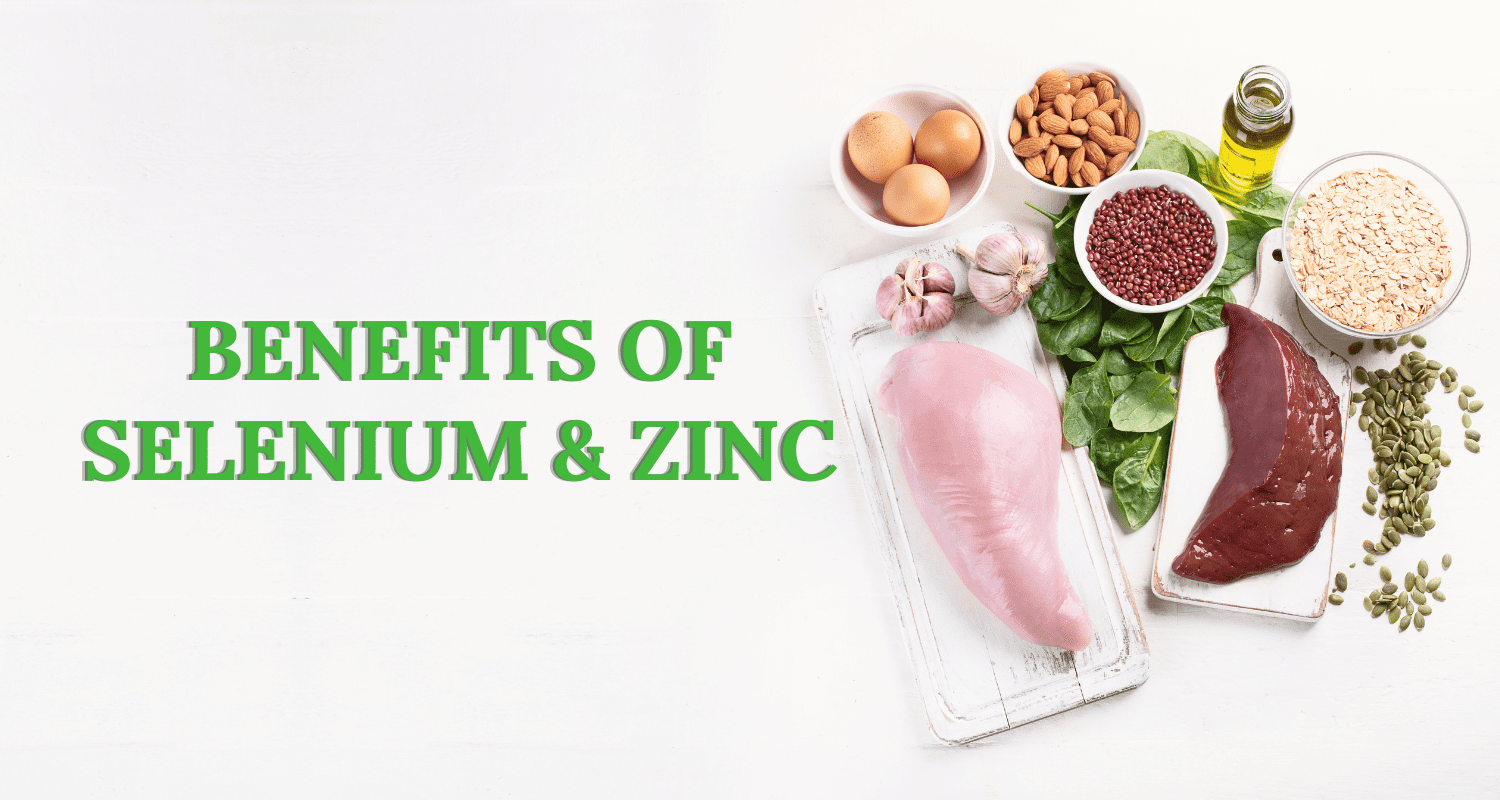
Did you know that increasing selenium levels in the blood by 50% has been linked to a 24% lower risk of heart disease? This highlights how important selenium and zinc are for maintaining overall health.
Both selenium and zinc are essential trace minerals. Even though our bodies need them in small amounts, their impact is powerful. From antioxidant protection to immune support and thyroid health, these minerals play critical roles in keeping your body functioning properly.
Let’s explore the benefits of selenium and zinc and why they deserve attention in your diet.
Key Takeaways
- Selenium and zinc provide strong antioxidant protection.
- Both minerals support immune system function.
- Selenium is crucial for thyroid health.
- Zinc supports over 100 enzymes in the body.
- Higher selenium levels are associated with reduced heart disease risk.
What Is Selenium?
Selenium is a trace mineral found naturally in soil and certain foods. It is essential for many biological processes, particularly those related to antioxidant defense and thyroid function.
Selenium’s Role in the Body
Selenium:
- Acts as a powerful antioxidant
- Helps reduce oxidative stress
- Supports white blood cell function
- Protects cells from free radical damage
- Supports thyroid hormone metabolism
Recommended Daily Intake
- Adults: 55 mcg per day
- Pregnant individuals: 60 mcg per day
- Breastfeeding individuals: 70 mcg per day
Food Sources of Selenium
Good sources include:
- Tuna, halibut, sardines
- Brazil nuts
- Whole wheat bread
- Oatmeal
- Baked beans
- Cottage cheese
What Is Zinc?
Zinc is another essential mineral that supports hundreds of biological reactions in the body.
Zinc’s Functions in the Body
Zinc:
- Supports over 100 enzymes
- Strengthens immune response
- Promotes wound healing
- Supports skin health
- Aids growth and development
- Helps with DNA synthesis
Recommended Daily Intake
- Adult men: 11 mg per day
- Adult women: 8 mg per day
- Pregnant individuals: 11 mg per day
- Breastfeeding individuals: 12 mg per day
Dietary Sources of Zinc
Rich sources include:
- Oysters (highest source)
- Beef
- Turkey
- Pumpkin seeds
- Lentils
- Fortified cereals
Antioxidant Benefits of Selenium and Zinc
Oxidative stress occurs when free radicals damage cells. Over time, this damage contributes to aging and chronic diseases such as heart disease and cancer.
Selenium’s Antioxidant Power
Selenium helps form antioxidant enzymes like glutathione peroxidase. These enzymes:
- Neutralize harmful free radicals
- Reduce inflammation
- Protect DNA from damage
Higher selenium levels have been associated with lower risks of certain cancers, including breast, lung, colon, and prostate cancer (based on observational studies).
Zinc’s Antioxidant Effects
Zinc:
- Supports antioxidant enzymes
- Protects cell membranes
- Helps reduce inflammatory damage
- Maintains skin and tissue integrity
Together, selenium and zinc provide strong cellular protection.
Heart Health Benefits
Heart disease is closely linked to inflammation and oxidative stress.
Selenium and Cardiovascular Health
Research suggests:
- A 50% increase in selenium levels may reduce heart disease risk by 24%.
- Selenium may lower inflammation linked to atherosclerosis.
- It may reduce oxidative damage to blood vessels.
Zinc and Heart Health
Zinc helps:
- Reduce oxidative stress
- Support healthy blood vessels
- Lower inflammation markers
Maintaining adequate levels of both minerals supports overall cardiovascular function.
Cancer Prevention Support
While more research is needed, selenium and zinc may contribute to cancer prevention through:
- DNA protection
- Immune enhancement
- Reduction of oxidative stress
- Support of natural cell death in damaged cells
It’s important to note that most benefits are linked to dietary intake rather than high-dose supplementation.
Cognitive Function and Brain Health
Selenium and Brain Protection
Low selenium levels have been observed in individuals with Alzheimer’s disease. Selenium’s antioxidant properties may help:
- Reduce brain inflammation
- Protect neurons from oxidative damage
- Support memory function
Some small studies suggest selenium-rich diets may support cognitive health.
Zinc’s Neuroprotective Role
Zinc plays a role in:
- Brain signaling
- Memory formation
- Protecting nerve cells
Balanced zinc levels are essential for healthy cognitive function.
Thyroid Health Support
The thyroid gland contains one of the highest concentrations of selenium in the body.
Selenium’s Role in Thyroid Function
Selenium:
- Helps convert thyroid hormones into active forms
- Protects thyroid tissue from oxidative damage
- Supports proper hormone balance
Zinc and Thyroid Function
Zinc helps:
- Regulate thyroid hormone production
- Support hormone receptor activity
- Improve thyroid-related immune function
Adequate levels of both minerals are essential for healthy thyroid performance.
Immune System Support
Both selenium and zinc are critical for immune health.
Selenium and Immunity
- Supports white blood cell activity
- Helps the body fight viral infections
- Reduces inflammation
Low selenium levels have been linked to weaker immune responses.
Zinc and Immune Defense
Zinc:
- Strengthens immune cell development
- Reduces infection severity
- Supports faster recovery
Zinc deficiency is associated with increased risk of respiratory infections.
Asthma and Inflammation
Asthma involves inflammation and oxidative stress.
Selenium and Asthma
Some studies show people with asthma may have lower selenium levels. Higher selenium levels have been linked to improved lung function in some cases.
Zinc and Asthma Management
Zinc supplementation has shown potential to:
- Reduce oxidative stress
- Improve immune balance
- Support lung function
More research is ongoing, but both minerals may help manage inflammatory conditions.
Should You Take Supplements?
Getting selenium and zinc from food is ideal. However, supplementation may help individuals with:
- Dietary deficiencies
- Thyroid disorders
- Compromised immunity
- Increased oxidative stress
Always consult a healthcare professional before starting supplements, as excessive intake can cause side effects.
Final Thoughts: Benefits of Selenium and Zinc
The benefits of selenium and zinc extend across multiple systems in the body.
Together, they:
- Protect against oxidative stress
- Strengthen the immune system
- Support thyroid function
- Promote heart health
- Contribute to brain and cognitive health
Although required in small amounts, these minerals have a significant impact on long-term wellness. A balanced diet rich in seafood, nuts, seeds, whole grains, and lean meats can help you maintain optimal levels.
If needed, supplements may offer additional support under professional guidance.
Leave a Reply