Did you know that more than 2 in 5 adults in the United States live with obesity, according to the CDC? That’s over 100 million people—and it highlights how common weight-loss struggles really are.
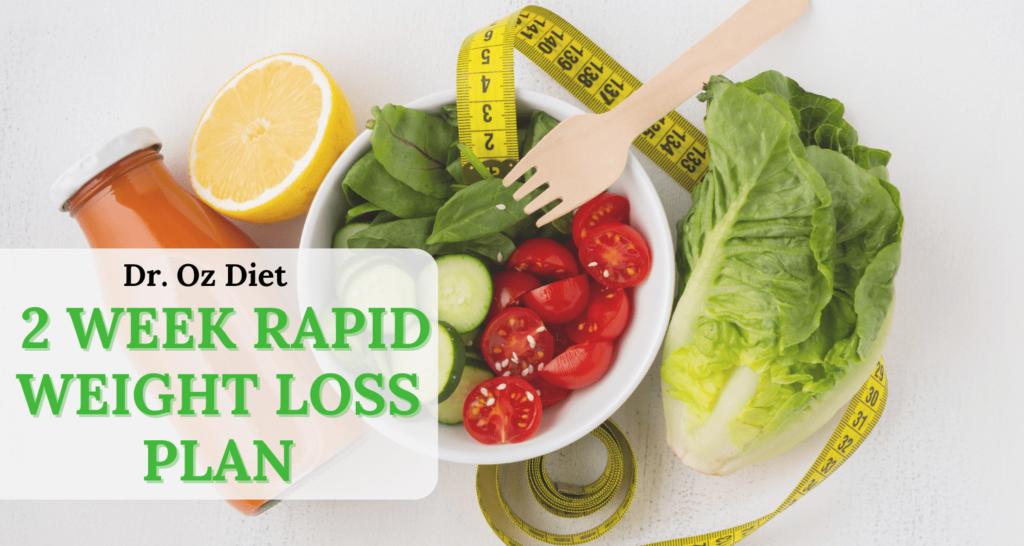
If you’re looking for a structured way to jump-start healthier habits quickly, the Dr. Oz 2-Week Rapid Weight Loss Plan is often mentioned as a short-term reset strategy. But how effective is it—and what does research say about its key ideas?
This guide explains what the plan involves, what parts are evidence-based, and what you should approach with caution.
Key Takeaways
- The Dr. Oz 2-week plan focuses on whole foods, hydration, sleep, and exercise, which are strongly supported by nutrition science.
- Short-term weight loss is possible in two weeks—but most results come from water loss and calorie reduction, not permanent fat loss.
- Some supplements promoted in rapid weight-loss plans have limited scientific support.
- Sustainable weight loss depends more on long-term habits than quick detox programs.
What Is the Dr. Oz 2-Week Rapid Weight Loss Plan?
The plan promoted by Mehmet Oz is designed as a short-term reset rather than a permanent diet.
It typically includes:
- Whole, minimally processed foods
- Increased vegetable intake
- Reduced sugar and refined carbs
- Daily hydration goals
- Light exercise routines
- Improved sleep habits
- Optional “detox-style” broth recipes
These strategies align with recommendations from organizations like the CDC and National Institutes of Health, which emphasize nutrition quality and lifestyle changes as the foundation of healthy weight management.
What Actually Works in the Plan (According to Research)
1. Eating Whole Foods
Switching from ultra-processed foods to whole foods can significantly reduce calorie intake without strict dieting.
Research from public health nutrition studies consistently shows that diets rich in:
- vegetables
- fruits
- lean protein
- whole grains
support healthier body weight and metabolic health.
This is one of the strongest parts of the plan.
2. Drinking More Water
Hydration plays a surprisingly important role in weight management.
Clinical studies show that drinking water before meals may help reduce calorie intake and support modest weight loss over time—especially when replacing sugary drinks.
3. Moving Your Body Daily
The plan recommends at least 30 minutes of activity per day. That matches guidance from the U.S. Physical Activity Guidelines, which recommend regular movement for weight control and heart health.
Walking alone can significantly improve:
- blood pressure
- insulin sensitivity
- calorie balance
- mood and motivation
4. Prioritizing Sleep
Sleep is one of the most underrated weight-loss tools.
Research shows adults who sleep fewer than 6 hours per night are more likely to experience:
- increased appetite hormones
- cravings for high-calorie foods
- slower metabolism
Improving sleep quality often improves weight-loss success.
A Sample 2-Week Meal Structure (Realistic Version)
Instead of strict detox-style restrictions, a balanced U.S.-friendly version might look like this:
Breakfast ideas
- veggie egg scramble
- Greek yogurt with berries
- oatmeal with chia seeds
Lunch ideas
- grilled chicken salad
- tuna wrap with whole-grain tortilla
- quinoa veggie bowl
Dinner ideas
- baked salmon with roasted vegetables
- turkey stir-fry
- lentil vegetable soup
Healthy snacks
- apple with almond butter
- carrots and hummus
- mixed nuts
This structure supports steady energy levels while keeping calories moderate.
The “Detox Broth” Concept: Helpful or Hype?
Vegetable broth recipes included in the plan are healthy—but not magical.
Your liver and kidneys already detox your body naturally. However, broth-based meals can help:
- increase hydration
- reduce calorie intake
- improve digestion comfort
- support short-term weight loss
Think of them as supportive tools—not fat-burning solutions.
What About the Supplements Dr. Oz Has Mentioned?
Here’s where evidence becomes mixed or weak.
Green Tea Extract
Some research suggests small metabolism benefits from catechins, but results are modest—not dramatic.
Garcinia Cambogia
Human studies show inconsistent weight-loss results, and safety concerns have been reported in rare cases.
Forskolin
Early studies suggested possible fat-loss effects, but evidence remains limited.
Raspberry Ketones
Most claims are based on animal studies—not strong human trials.
CLA (Conjugated Linoleic Acid)
Research shows small body-fat changes at best, often not clinically meaningful.
Probiotics
Some strains may support weight regulation by improving gut health—but effects vary widely.
Bottom line: Supplements should never replace nutrition and exercise.
Smart Habits That Make the Plan More Effective
Instead of focusing only on two weeks, try these research-backed strategies:
1. Control Portions Without Counting Every Calorie
Using smaller plates and eating slowly improves natural hunger awareness.
2. Reduce Sugary Drinks
Cutting soda alone can reduce hundreds of daily calories.
3. Build Consistent Routines
People who maintain consistent meal timing and sleep schedules often achieve better results long-term.
4. Track Progress Realistically
Weight can fluctuate daily. Focus instead on:
- waist measurement
- energy levels
- strength improvements
- sleep quality
Can You Really Lose Weight in 2 Weeks?
Yes—but expectations matter.
Most people lose:
- water weight
- stored carbohydrates
- some body fat
during short-term plans.
Long-term fat loss happens through consistent habits over months—not days.
Is the Dr. Oz 2-Week Plan Worth Trying?
It can be useful as a motivation reset, especially if you:
- want structure
- prefer simple meal ideas
- need a short-term goal
However, the strongest benefits come from the lifestyle habits it encourages—not the timeline itself.
Final Thoughts
The Dr. Oz 2-week rapid weight-loss plan includes several science-supported strategies like eating whole foods, improving hydration, exercising regularly, and prioritizing sleep. These habits can help jump-start progress—but lasting weight loss comes from consistency beyond the first two weeks.
If you treat the plan as a starting point rather than a shortcut, it can be a helpful step toward healthier long-term results.