Gallstones can develop quietly for years without causing noticeable symptoms. Some people discover them during an ultrasound performed for an unrelated health concern. Others experience sudden, intense abdominal pain after a meal and learn they have gallstones only when they seek emergency care.
Recognizing the early signs of gallstones can help you understand when to seek medical attention and when symptoms may signal a serious complication.
Gallstones are common, particularly among adults over 40, but not everyone who has them needs treatment. The key is knowing which symptoms deserve attention, what increases your risk, and when abdominal pain should never be ignored.
What Are Gallstones?
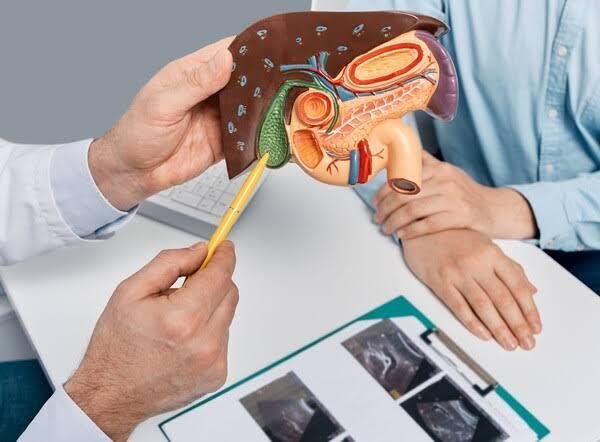
Gallstones are hardened deposits that form inside the gallbladder, a small, pear-shaped organ located beneath the liver on the right side of your upper abdomen.
The gallbladder stores bile, a digestive fluid produced by the liver that helps break down fats.
Gallstones develop when substances in bile, such as cholesterol or bilirubin, form solid particles that gradually grow into stones.
There are two main types:
- Cholesterol gallstones: The most common type, formed primarily from hardened cholesterol.
- Pigment gallstones: Formed mainly from bilirubin, a substance produced when the body breaks down red blood cells.
Gallstones can range from tiny particles to larger stones. Their size alone does not determine whether they will cause symptoms or complications.
Early Gallstones Symptoms and Signs to Watch For
One important fact about gallstones is that many people have no symptoms until a stone blocks a bile duct. There is no reliable set of early symptoms that can confirm gallstones before a blockage occurs.
However, certain symptoms may indicate that gallstones are already affecting the gallbladder.
1. Pain in the Upper Right Abdomen
Pain in the upper-right portion of the abdomen is one of the most characteristic symptoms of gallstones.
You may notice discomfort beneath the right rib cage, sometimes spreading toward the center of the upper abdomen.
The pain may feel like:
- A steady ache or pressure
- Tightness beneath the ribs
- A sharp or intense pain that builds over time
Gallstone-related pain, commonly called biliary colic, often occurs when a stone temporarily blocks the gallbladder’s outlet.
Episodes can last from around 30 minutes to several hours. Pain that persists for several hours, particularly with fever or vomiting, requires urgent medical evaluation.
2. Pain After Eating Fatty Meals
Some people notice gallbladder pain after eating a large or high-fat meal.
Foods such as fried dishes, creamy sauces, rich desserts, and fatty meats can stimulate the gallbladder to contract and release bile.
If a stone obstructs the outlet, this contraction may trigger pain.
However, pain after eating is not specific to gallstones. Indigestion, acid reflux, stomach ulcers, and other digestive conditions can produce similar symptoms.
Repeated episodes of upper abdominal pain after meals deserve medical evaluation rather than being automatically attributed to food intolerance.
3. Pain That Spreads to the Back or Right Shoulder
Gallstone pain does not always remain in the abdomen.
Some people experience discomfort that spreads to:
- The right shoulder
- The area between the shoulder blades
- The upper back
This happens because the nervous system can interpret pain from internal organs as discomfort in other areas of the body.
Pain that begins beneath the right ribs and spreads toward the back or shoulder is particularly suggestive of gallbladder trouble when it occurs alongside nausea or vomiting.
4. Nausea and Vomiting
Nausea can accompany a gallstone attack, especially when abdominal pain is intense.
You may feel sick to your stomach or vomit during an episode.
However, nausea alone is not a dependable sign of gallstones. Viral infections, medication side effects, gastritis, and numerous other conditions can cause it.
Pay attention to whether nausea repeatedly occurs alongside pain in the upper-right abdomen.
5. Bloating and Indigestion
Some people with gallstones report:
- Bloating after meals
- Belching
- A feeling of fullness
- Indigestion
- Discomfort after fatty foods
These symptoms are common but nonspecific. They do not necessarily mean you have gallstones.
In particular, persistent bloating without characteristic abdominal pain should not be considered proof of gallbladder disease.
A clinician can help determine whether the symptoms are related to the gallbladder or another digestive problem.
6. Episodes of Pain That Come and Go
Gallstone attacks may occur intermittently.
A person might experience significant abdominal pain for an hour or two, feel better afterward, and then have another episode days or weeks later.
This pattern can occur when a stone temporarily blocks the gallbladder’s outlet and then moves away.
Pain that disappears does not mean the underlying gallstones have gone away. If you experience repeated episodes, arrange a medical assessment even if you feel completely normal between them.
Gallstones Symptoms That Mean You Need Urgent Medical Care
Some symptoms suggest that a gallstone may be causing a complication, such as gallbladder inflammation, a blocked bile duct, or pancreatitis.
Seek urgent medical evaluation if you experience any of the following.
Severe or Persistent Abdominal Pain
Pain that is severe, lasts several hours, or progressively worsens may indicate acute gallbladder inflammation or another abdominal emergency.
Do not wait for it to resolve on its own.
Fever or Chills
Fever or chills alongside upper abdominal pain can indicate infection or inflammation involving the gallbladder or bile ducts.
This requires urgent assessment.
Yellow Skin or Eyes
Yellowing of the skin or the whites of the eyes is called jaundice.
It can occur when a gallstone blocks the common bile duct and prevents bile from draining normally.
Jaundice is not an ordinary early symptom to monitor at home. It requires prompt medical evaluation.
Dark Urine or Pale Stools
A blocked bile duct can cause urine to become unusually dark and stools to become pale or clay-colored.
These changes may occur alongside jaundice or itching.
Seek prompt medical care, particularly if these symptoms occur with abdominal pain or fever.
Persistent Vomiting
Repeated vomiting can lead to dehydration and may accompany serious gallstone complications.
Severe abdominal pain with persistent vomiting warrants urgent medical assessment.
Emergency warning: Severe, persistent upper abdominal pain with fever, jaundice, or repeated vomiting can indicate a serious complication. Seek emergency care rather than trying home remedies.
What Causes Gallstones?
Gallstones form when the composition or flow of bile encourages substances to crystallize.
Several factors increase the likelihood of developing them.
High Cholesterol in Bile
Many gallstones develop when bile contains more cholesterol than it can keep dissolved.
The excess cholesterol can crystallize and gradually form stones.
This does not mean that everyone with high blood cholesterol develops gallstones, or that everyone with gallstones has high blood cholesterol.
Excess Bilirubin
Certain liver conditions, infections of the bile ducts, and disorders that increase the breakdown of red blood cells can raise bilirubin levels and contribute to pigment gallstones.
Poor Gallbladder Emptying
If the gallbladder does not empty effectively, bile may remain inside longer, increasing the opportunity for stones to form.
Who Is at Higher Risk?
Gallstones can affect people of different ages, but several factors increase the risk.
- Age: Risk generally increases as people get older.
- Sex and hormones: Women have a higher risk, partly because estrogen can influence cholesterol levels in bile.
- Family history: Genetic factors can contribute to susceptibility.
- Obesity: Excess body weight is associated with an increased risk of cholesterol gallstones.
- Rapid weight loss: Losing weight very quickly can increase gallstone formation.
- Pregnancy: Hormonal changes can affect gallbladder function.
- Diabetes: Diabetes is associated with a higher risk of gallbladder disease.
- Certain medical conditions and medications: Some blood disorders and treatments can increase risk.
Having one or more risk factors does not mean you will necessarily develop gallstones.
How Are Gallstones Diagnosed?
Symptoms alone cannot reliably establish whether gallstones are present.
Doctors generally combine your medical history, physical examination, and appropriate tests.
1. Abdominal Ultrasound
An abdominal ultrasound is usually the first imaging test used when gallstones are suspected.
It uses sound waves to examine the gallbladder and can identify most gallstones within it.
The examination may also reveal signs of gallbladder inflammation or bile duct enlargement.
2. Blood Tests
Blood tests may help identify complications or alternative causes of abdominal pain.
Depending on the symptoms, a clinician may check:
- Liver enzymes
- Bilirubin
- Markers of inflammation
- Pancreatic enzymes
Normal blood tests do not necessarily rule out uncomplicated gallstones.
3. Additional Imaging
If a common bile duct stone is suspected but not clearly visible on ultrasound, a doctor may recommend magnetic resonance cholangiopancreatography (MRCP), endoscopic ultrasound, or another appropriate investigation.
The choice depends on your symptoms and initial test results.
How Are Gallstones Treated?
Treatment depends on whether the stones cause symptoms, where they are located, and whether complications have developed.
Gallstones Without Symptoms
Gallstones discovered incidentally often do not require treatment if they are not causing problems.
A healthcare professional can advise whether observation is appropriate based on individual circumstances.
Symptomatic Gallstones
When gallstones repeatedly cause painful attacks, doctors commonly recommend laparoscopic cholecystectomy, a minimally invasive operation to remove the gallbladder.
Most people can digest food and live normally without a gallbladder because bile continues to flow from the liver into the intestine.
Gallstones in the Common Bile Duct
A stone lodged in the common bile duct may require a procedure called endoscopic retrograde cholangiopancreatography (ERCP) to remove it.
Additional treatment may be needed depending on the condition of the gallbladder.
Can Medication Dissolve Gallstones?
Certain medicines can dissolve selected cholesterol stones in specific circumstances, but treatment may take months or longer, does not work for every stone, and stones may return.
Surgery is generally the preferred definitive treatment for recurrent symptomatic gallstones.
Can You Prevent Gallstones Naturally?
Not every case is preventable, but some lifestyle choices may reduce risk.
Eat a Balanced, Fiber-Rich Diet
Include vegetables, fruits, legumes, and whole grains.
A balanced dietary pattern supports overall metabolic health and may help reduce gallstone risk.
Avoid Crash Diets
Rapid weight loss can increase the likelihood of gallstones.
If weight management is appropriate for you, gradual and sustainable changes are generally preferable to extreme dieting.
Stay Physically Active
Regular activity supports metabolic health and helps manage several conditions associated with gallstones.
Maintain Healthy Blood Sugar Levels
Managing diabetes and other metabolic conditions can support overall health and may reduce related gallbladder risks.
Choose Healthy Fats in Appropriate Amounts
Unsaturated fats, such as those found in olive oil, nuts, seeds, and fish, can be part of a balanced diet.
Extremely restrictive, very-low-calorie diets are not a reliable way to prevent gallstones.
What About Gallbladder Cleanses?
Online remedies sometimes claim that olive oil, lemon juice, or herbal mixtures can flush gallstones out of the body.
There is no reliable scientific evidence that these cleanses remove gallstones or prevent complications.
They may cause nausea, diarrhea, or abdominal discomfort and can delay appropriate treatment.
If you suspect gallstones, medical evaluation is safer than attempting a cleanse.
Frequently Asked Questions
Can you have gallstones without symptoms?
Yes. Many people have silent gallstones that never cause problems. They are often discovered incidentally during imaging for another reason.
Do gallstones always cause pain?
No. Gallstones can remain symptom-free. Pain generally develops when a stone obstructs the gallbladder’s outlet or a bile duct.
Can gallstones go away on their own?
Gallstones usually do not disappear spontaneously. A stone may move and stop blocking a duct, allowing symptoms to resolve, but the stone may remain.
Is right-sided abdominal pain always caused by gallstones?
No. Kidney problems, liver conditions, stomach disorders, muscle pain, and other conditions can cause pain in this area. Persistent or severe pain needs appropriate assessment.
Can gallstones be prevented by drinking more water?
Staying hydrated supports general health, but drinking water alone does not dissolve gallstones or reliably prevent them.
Final Takeaway
The most characteristic gallstones symptoms and signs include pain in the upper-right abdomen, episodes of pain after meals, discomfort spreading to the right shoulder or back, and nausea or vomiting. However, many people have no early symptoms, and bloating or indigestion alone cannot confirm gallstones.
If you experience recurring upper abdominal pain, arrange a medical evaluation. Ultrasound is usually the first test used to look for gallstones. Seek urgent care for severe or persistent pain, fever, jaundice, or repeated vomiting because these may indicate a complication.
Recognizing the warning signs, avoiding unproven gallbladder cleanses, and seeking timely medical advice are the most reliable ways to address gallstones before they become a more serious health problem.