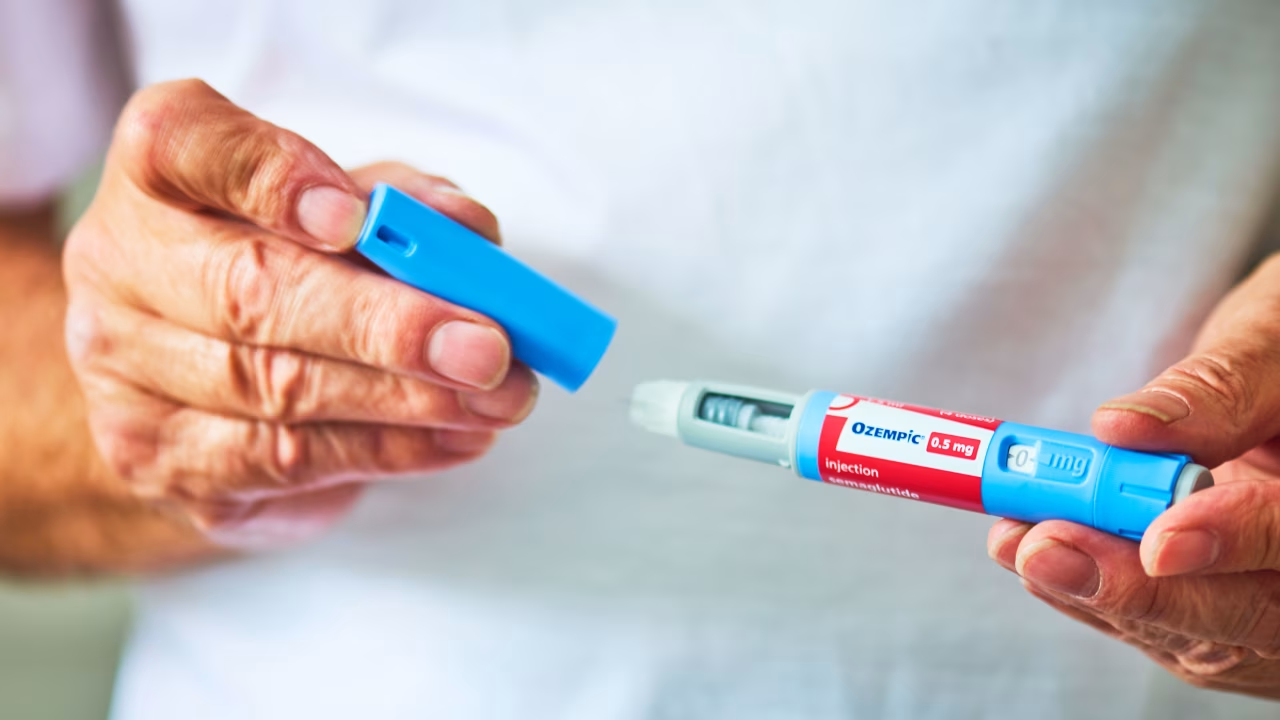
Over the past few years, medications like Ozempic and Wegovy have transformed the conversation around weight loss and type 2 diabetes. Some people describe them as “miracle drugs,” while others wonder whether they’re simply an appetite suppressant with good marketing.
The reality is that these medications work through well-studied biological pathways that affect hunger, digestion, blood sugar regulation, and body weight.
Understanding how they work—and their benefits, risks, and limitations—can help you make more informed decisions about treatment.
What Are Ozempic and Wegovy?
Both:
- Ozempic
- Wegovy
contain the same active ingredient:
Semaglutide
The main difference is their approved use and dosing:
Ozempic
Approved for:
- Type 2 Diabetes management
- Reduction of certain cardiovascular risks in appropriate patients
Wegovy
Approved for:
- Chronic weight management in eligible individuals
Although they contain the same active medication, they are prescribed differently.
What Is GLP-1?
GLP-1 stands for:
Glucagon-Like Peptide-1
This hormone is naturally released by the intestines after eating.
Its functions include:
- Helping regulate blood sugar
- Increasing feelings of fullness
- Slowing stomach emptying
- Influencing appetite centers in the brain
GLP-1 medications mimic these natural effects.
How Do GLP-1 Drugs Reduce Appetite?
One of the most noticeable effects is reduced hunger.
These medications interact with areas of the brain involved in:
- Appetite
- Satiety
- Food reward
Many users report:
- Feeling full sooner
- Reduced cravings
- Smaller portion sizes
- Less interest in constant snacking
The goal is not to force willpower but to alter the biological signals that influence eating behavior.
They Slow Stomach Emptying
GLP-1 medications also slow the rate at which food leaves the stomach.
This may:
- Increase fullness after meals
- Reduce hunger between meals
- Help moderate blood sugar spikes after eating
This delayed stomach emptying is one reason some people experience digestive side effects.
How They Improve Blood Sugar
For individuals with:
Type 2 Diabetes
GLP-1 medications help regulate blood glucose through several mechanisms.
They:
- Stimulate insulin release when blood sugar rises
- Reduce excess glucagon production
- Improve overall glucose control
Importantly, these effects are largely glucose-dependent, which helps reduce the risk of severe low blood sugar when used alone.
Why Do People Lose Weight?
Weight loss typically results from several combined effects:
Reduced Hunger
People often eat less without feeling as deprived.
Increased Fullness
Meals become more satisfying.
Fewer Cravings
Many users report less food “noise” or constant thoughts about eating.
Better Blood Sugar Regulation
Improved glucose control may support healthier eating patterns.
The amount of weight loss varies significantly between individuals.
Are Ozempic and Wegovy the Same Thing?
Because both contain:
Semaglutide
they work in essentially the same way.
However:
- Dosing schedules differ
- Approved indications differ
- Insurance coverage may differ
Your healthcare provider determines which option is appropriate.
What About Other GLP-1 Medications?
Other medications in this class include:
- Mounjaro
- Zepbound
- Trulicity
- Victoza
While they work through related pathways, they are not identical medications and may have different effectiveness and side-effect profiles.
Common Side Effects
The most common side effects involve the digestive system.
These may include:
- Nausea
- Vomiting
- Diarrhea
- Constipation
- Stomach discomfort
- Bloating
Symptoms are often more noticeable when:
- Starting treatment
- Increasing dosage
Many people experience improvement over time.
Why Is Nausea So Common?
The same mechanisms that:
- Increase fullness
- Slow stomach emptying
can also contribute to nausea.
Eating smaller meals and following prescribing instructions may help improve tolerability.
Are These Drugs Safe?
For many individuals, GLP-1 medications have demonstrated favorable safety profiles in clinical trials and real-world use.
However, they are not appropriate for everyone.
Potential risks and contraindications should always be discussed with a healthcare professional.
Do You Have to Take Them Forever?
This is one of the most common questions.
Many people regain some weight after stopping GLP-1 therapy because:
- Appetite signals return
- Biological mechanisms promoting weight regain remain active
Obesity is increasingly recognized as a chronic condition rather than a temporary problem.
Treatment duration varies depending on individual circumstances.
Are They a Replacement for Diet and Exercise?
No.
These medications are typically intended to complement:
- Healthy eating habits
- Physical activity
- Long-term lifestyle changes
People generally achieve the best outcomes when medication is combined with sustainable health behaviors.
Who May Be a Candidate?
Eligibility depends on multiple factors, including:
- Body weight
- Body mass index (BMI)
- Existing medical conditions
- Diabetes status
- Cardiovascular risk
A healthcare provider can determine whether treatment is appropriate.
Myths About GLP-1 Drugs
Myth: It’s Just an Appetite Suppressant
Reality:
GLP-1 medications affect multiple biological pathways involving hunger, satiety, digestion, and blood sugar regulation.
Myth: Everyone Loses Massive Amounts of Weight
Reality:
Results vary significantly from person to person.
Myth: You Can Eat Anything You Want
Reality:
Healthy eating remains important for long-term success.
Myth: They Work Instantly
Reality:
Dose escalation is gradual, and meaningful changes often occur over months rather than days.
When to Talk to Your Doctor
Consider discussing GLP-1 medications with your healthcare provider if you:
- Have obesity or overweight with related health conditions
- Have type 2 diabetes
- Have struggled with previous weight-loss approaches
- Want to understand available treatment options
A personalized assessment is essential.
Bottom Line
Ozempic and Wegovy contain semaglutide, a medication that mimics the natural hormone GLP-1. These drugs help regulate blood sugar, slow stomach emptying, increase feelings of fullness, and reduce appetite, which can support both diabetes management and weight loss.
While they can be highly effective for appropriate patients, they are not magic solutions and work best when combined with healthy lifestyle habits. Like any medication, they carry potential side effects and risks, so treatment decisions should be made in partnership with a qualified healthcare professional.