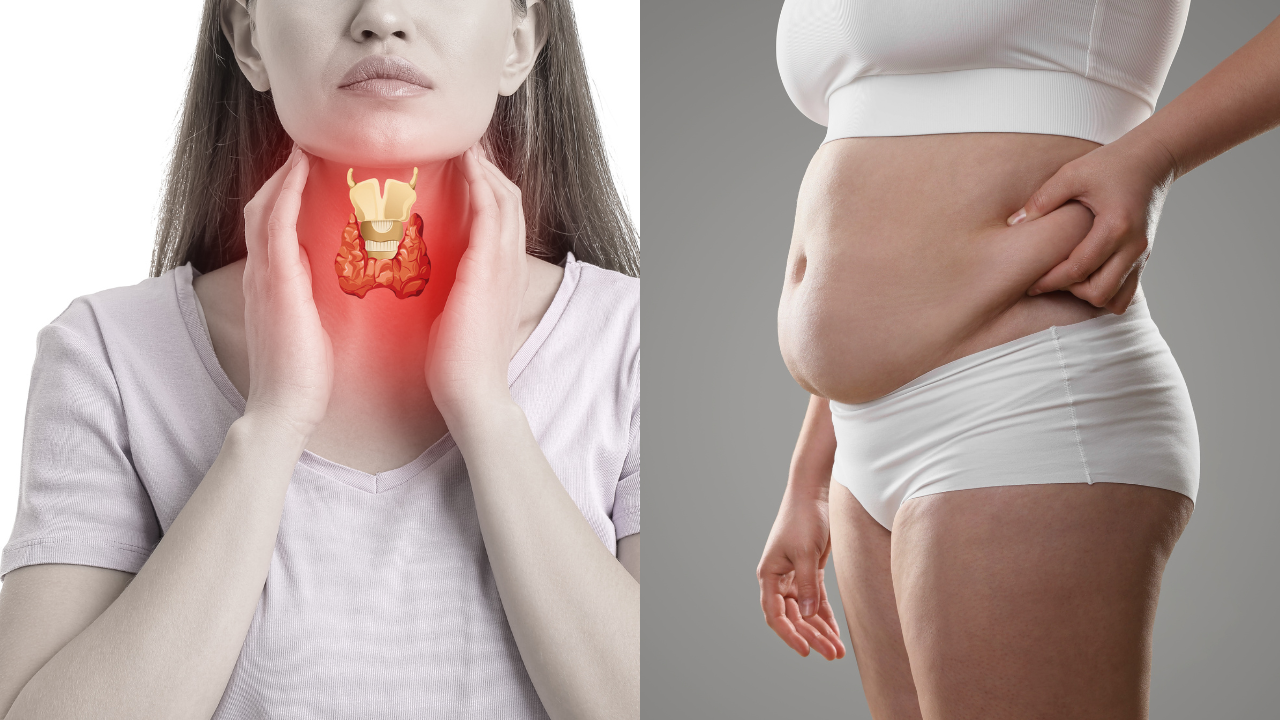
Trying to lose weight with hypothyroidism can feel frustrating. Many people report doing “everything right”—eating healthier, exercising regularly, and cutting calories—yet seeing little movement on the scale.
While hypothyroidism can make weight management more challenging, it does not make weight loss impossible. The key is understanding what hypothyroidism actually does to the body, what it doesn’t do, and which strategies are most likely to help.
What Is Hypothyroidism?
Hypothyroidism occurs when the thyroid gland does not produce enough thyroid hormone.
Common causes include:
- Hashimoto’s Thyroiditis
- Thyroid surgery
- Certain medications
- Radiation treatment
- Other thyroid disorders
Thyroid hormones help regulate:
- Metabolism
- Energy production
- Body temperature
- Heart rate
- Many other bodily functions
Why Does Hypothyroidism Cause Weight Gain?
When thyroid hormone levels are low, several changes can occur:
- Reduced energy expenditure
- Increased fatigue
- Fluid retention
- Reduced physical activity
- Changes in metabolism
Weight gain associated with untreated hypothyroidism is often modest, but it can be significant for some individuals.
Importantly, not all excess weight is caused by thyroid dysfunction.
First Step: Make Sure Your Thyroid Is Properly Treated
Before focusing heavily on weight loss, it’s important to confirm that hypothyroidism is adequately managed.
Doctors typically monitor:
Thyroid-Stimulating Hormone Test
and other thyroid-related blood tests.
If thyroid hormone levels remain too low, weight-loss efforts may be more difficult.
Thyroid Medication Is Not a Weight-Loss Drug
Many people expect thyroid medication to cause dramatic weight loss.
Unfortunately, that’s usually not what happens.
Treating hypothyroidism often:
- Improves energy
- Reduces fluid retention
- Normalizes metabolism
However, it typically does not produce large amounts of weight loss by itself.
The goal is restoring normal thyroid function, not creating a hyperactive metabolism.
Why Weight Loss Can Still Be Difficult
Even after treatment, other factors may contribute to weight struggles:
- Aging
- Reduced muscle mass
- Poor sleep
- Stress
- Insulin resistance
- Menopause
- Sedentary lifestyle
Weight management is rarely determined by one hormone alone.
Focus on Protein
Protein is especially important for people trying to lose weight.
Benefits include:
- Increased fullness
- Muscle preservation
- Support for recovery after exercise
Good sources include:
- Fish
- Poultry
- Eggs
- Greek yogurt
- Legumes
- Tofu
Maintaining muscle becomes increasingly important during weight loss.
Strength Training Is One of the Best Tools
Many people focus only on cardio.
However, resistance training helps:
- Preserve muscle mass
- Improve body composition
- Support metabolic health
- Increase strength and function
Examples include:
- Weight training
- Resistance bands
- Bodyweight exercises
Even two to three sessions per week can provide meaningful benefits.
Don’t Cut Calories Too Aggressively
Extreme dieting often backfires.
Very restrictive diets may:
- Increase hunger
- Reduce energy levels
- Make exercise harder
- Be difficult to sustain
Sustainable habits are generally more effective than crash diets.
Prioritize Sleep
Poor sleep can worsen:
- Hunger
- Cravings
- Insulin resistance
- Fatigue
Adults typically benefit from:
- 7–9 hours of sleep per night
If you snore heavily or feel exhausted despite adequate sleep, discuss possible sleep disorders with your healthcare provider.
Address Insulin Resistance if Present
Some people with hypothyroidism also develop:
Insulin Resistance
Insulin resistance may contribute to:
- Difficulty losing weight
- Increased abdominal fat
- Prediabetes
Improving overall metabolic health through nutrition, exercise, and medical care may help.
Focus on Food Quality
Rather than obsessing over a single “thyroid diet,” prioritize:
- Vegetables
- Fruits
- Lean proteins
- Whole grains
- Healthy fats
No specific food has been proven to cure hypothyroidism.
Long-term eating patterns matter more than individual “superfoods.”
What About Goitrogenic Foods?
Some foods contain compounds that can affect thyroid hormone production under certain circumstances.
Examples include:
- Broccoli
- Cabbage
- Kale
- Brussels sprouts
For most people with treated hypothyroidism, these foods are safe and nutritious when consumed as part of a balanced diet.
There is usually no need to avoid them completely.
Be Cautious With Supplements
Many products claim to “boost” thyroid function naturally.
Some may:
- Be ineffective
- Contain excessive iodine
- Interfere with treatment
Always discuss supplements with your healthcare provider before starting them.
What About GLP-1 Weight-Loss Medications?
For some individuals with obesity, medications such as:
Wegovy
or
Zepbound
may be considered.
Eligibility depends on:
- Body weight
- Medical history
- Other health conditions
These medications should be discussed with a qualified healthcare professional.
Common Mistakes That Slow Progress
Constantly Changing Diets
Jumping from one diet trend to another often prevents consistency.
Ignoring Strength Training
Preserving muscle is critical for long-term success.
Relying on Supplements
Many thyroid-related supplements have little scientific support.
Expecting Rapid Results
Weight loss may occur more slowly than expected.
Slow, sustainable progress is often more successful.
When to Talk to Your Doctor
Consider medical evaluation if:
- Symptoms persist despite treatment
- Fatigue remains severe
- Weight changes are unexplained
- You suspect medication issues
- You have concerns about thyroid test results
A healthcare professional can help determine whether thyroid function is adequately controlled.
What Actually Works
The most effective approach typically includes:
✅ Proper thyroid treatment
✅ Adequate protein intake
✅ Strength training
✅ Regular physical activity
✅ Quality sleep
✅ Sustainable nutrition habits
✅ Management of other metabolic conditions
There is rarely a single solution.
Success usually comes from addressing multiple factors together.
Bottom Line
Hypothyroidism can make weight loss more challenging by slowing metabolism, increasing fatigue, and affecting energy balance. However, once thyroid hormone levels are properly treated, successful weight loss remains achievable for many people.
The most effective strategies focus on sustainable habits: maintaining appropriate thyroid treatment, eating a protein-rich nutrient-dense diet, preserving muscle through strength training, improving sleep, and addressing other factors such as insulin resistance. While progress may be slower than some people expect, consistent lifestyle changes often produce meaningful long-term results.