First, what changed?
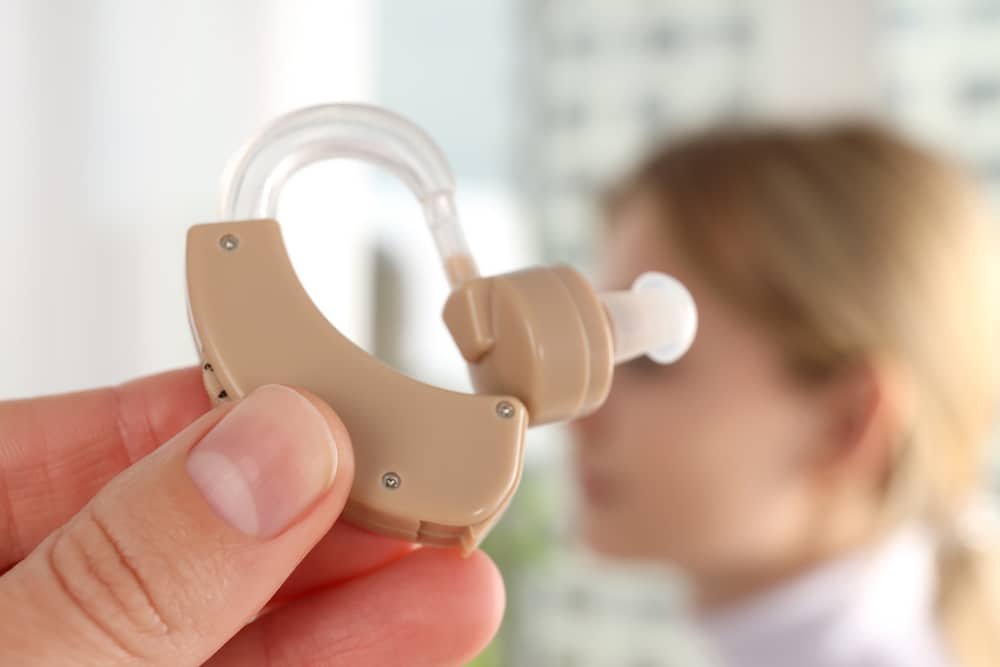
Since the FDA opened the market, OTC hearing aids are now widely available without a prescription, making them cheaper and easier to buy.
But that doesn’t mean they replace traditional hearing care.
OTC vs Prescription: The Real Difference
| Feature | OTC Hearing Aids | Prescription Hearing Aids |
|---|---|---|
| Who they’re for | Mild to moderate hearing loss | Moderate to severe hearing loss |
| How you buy | Online / stores (no doctor) | Through audiologist |
| Customization | App-based, self-adjusted | Fully personalized (hearing test + tuning) |
| Cost (US) | ~$200 – $2,500 | ~$2,000 – $8,000+ |
| Support | Limited or remote | In-person care + follow-ups |
| Performance | Good for basic needs | Best for complex hearing loss |
👉 Key takeaway: OTC = convenience + affordability
Prescription = precision + medical-grade care
When OTC Hearing Aids Are Worth It
OTC devices make sense if you:
- Struggle in crowds or noisy places
- Turn up the TV slightly louder than others
- Want a budget-friendly entry option
- Prefer DIY setup
Research shows OTC devices are designed specifically for mild to moderate hearing loss, not severe cases.
Example (Popular OTC Pick)
ELEHEAR Beyond Pro OTC Hearing Aids · ₹71,312.65 · 4.7
App-controlled OTC hearing aids with noise reduction and rechargeable design for mild-to-moderate hearing loss.
💡 Why people choose this category:
- Much cheaper than clinics
- Easy to buy online
- Good enough for early hearing loss
⚠️ Reality check:
OTC devices are not ideal if you struggle even in quiet conversations.
When Prescription Hearing Aids Are Worth It
Go prescription if you:
- Miss words even in quiet settings
- Have moderate to severe hearing loss
- Experience symptoms like Tinnitus
- Want perfect tuning for your ears
Example (Prescription-style device)
Signia BTE Fun P Hearing Aid · ₹6,880
Behind-the-ear prescription-style hearing aid with stronger amplification for more advanced hearing loss.
💡 Why prescription still wins:
- Custom-fit based on hearing test
- Better speech clarity in noise
- Long-term hearing protection
A high-end prescription model can cost thousands, but they’re built for serious hearing challenges and often last years.
The Truth Most People Don’t Hear
1. OTC doesn’t mean “cheap = good”
Many ultra-cheap devices are just sound amplifiers, not true hearing aids.
2. Hearing loss is medical—not just technical
Skipping a hearing test can mean missing:
- Earwax blockage
- Infection
- Underlying conditions
Even Reddit users warn:
3. Early treatment matters
Untreated hearing loss is linked to:
- Social isolation
- Depression
- Cognitive decline
Best Strategy in 2026 (Smart Approach)
Instead of choosing blindly, do this:
Step 1: Take a hearing test (online or clinic)
Step 2: If mild → try OTC first
Step 3: If it doesn’t work → upgrade to prescription
This “step-up” approach saves money and avoids overpaying early.
So… What’s Actually Worth It?
- Best value for most people (40s–60s):
👉 OTC hearing aids (start here) - Best for long-term hearing health:
👉 Prescription hearing aids - Worst option:
👉 Ultra-cheap amplifiers with no tuning
🧾 Final Verdict
In 2026, the smartest move isn’t picking one side—it’s matching the tool to your hearing level.
- OTC = great starting point
- Prescription = best long-term solution
If you’re just noticing early signs of hearing loss, OTC is absolutely worth trying.
But if clarity—not just volume—is your problem, prescription still wins.