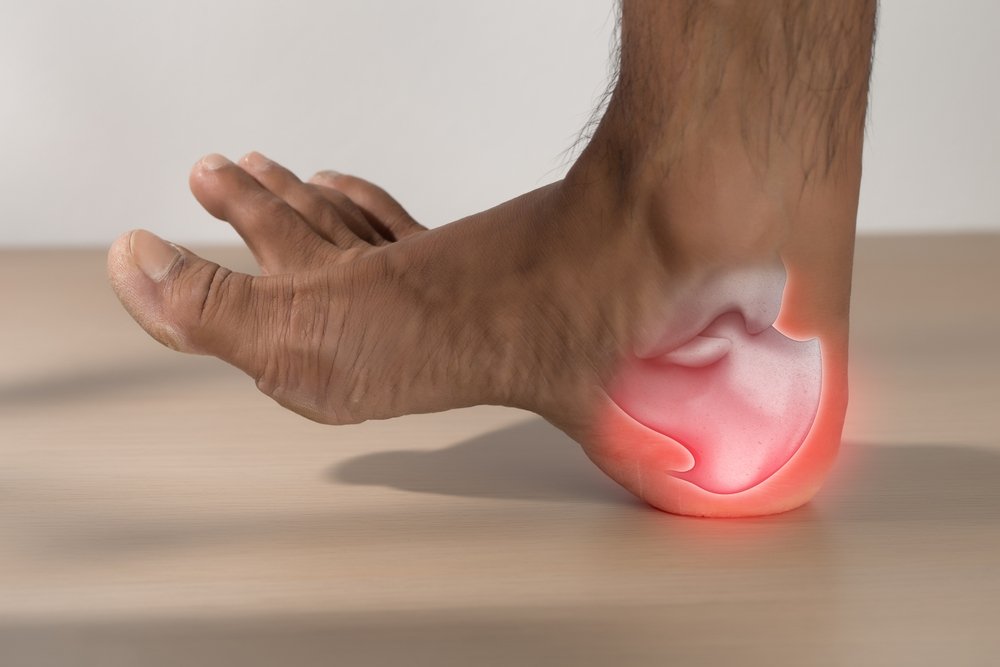
If you feel a sharp, stabbing pain in your heel when you take your first steps in the morning, you’re not alone. Heel pain is one of the most common foot complaints in the U.S.—and in many cases, the culprit is plantar fasciitis.
It’s often brushed off as “just sore feet,” but ignoring it can make things worse over time. The good news? With the right approach, most people can recover without surgery.
What Is Plantar Fasciitis?
Plantar fasciitis happens when the plantar fascia—a thick band of tissue running along the bottom of your foot—becomes irritated or inflamed.
This tissue acts like a shock absorber and supports your arch. But when it’s overworked or strained, tiny tears can develop, leading to pain and stiffness.
Why Your Heel Hurts (The Real Cause)
The most common mistake people make is assuming heel pain comes from “walking too much.” In reality, it’s usually a combination of factors:
1. Tight Calf Muscles
Limited flexibility in your calves increases tension on the plantar fascia.
2. Poor Footwear
Flat shoes, worn-out sneakers, or lack of arch support can overload your feet.
3. Standing for Long Hours
Jobs that keep you on your feet (retail, healthcare, construction) increase strain.
4. Sudden Activity Changes
Starting a new workout routine or increasing intensity too quickly can trigger it.
5. Weight Gain
Extra body weight puts more pressure on your heel with every step.
6. Flat Feet or High Arches
Both extremes can affect how force is distributed across your foot.
Common Symptoms You Shouldn’t Ignore
- Sharp heel pain, especially in the morning
- Pain after sitting or resting
- Stiffness that improves slightly with movement
- Pain that worsens after long periods of standing
If this sounds familiar, it’s likely plantar fasciitis—not just general foot fatigue.
What Actually Helps (Backed by Research)
According to organizations like the American Academy of Orthopaedic Surgeons and American Podiatric Medical Association, most cases improve with conservative care.
1. Stretching (Most Important Step)
Daily stretching can significantly reduce pain.
Focus on:
- Calf stretches
- Plantar fascia stretches (pulling toes toward you)
Consistency matters more than intensity.
2. Wear Supportive Shoes
Choose shoes with:
- Good arch support
- Cushioning
- Slight heel elevation
Avoid walking barefoot on hard floors—this is a common mistake.
3. Ice Therapy
Apply ice for 15–20 minutes after activity to reduce inflammation.
A simple trick: roll your foot over a frozen water bottle.
4. Use Insoles or Orthotics
Over-the-counter arch supports can relieve pressure and improve alignment.
Custom orthotics may help if symptoms persist.
5. Reduce Impact Activities
Temporarily limit:
- Running
- Jumping
- High-impact workouts
Switch to low-impact options like cycling or swimming.
6. Night Splints (For Persistent Cases)
These keep your foot stretched overnight and can reduce morning pain.
What Most People Get Wrong
- Ignoring early pain until it becomes chronic
- Stretching inconsistently
- Wearing unsupportive shoes at home
- Returning to high-impact exercise too soon
Recovery isn’t about doing one thing—it’s about doing the right things consistently.
When to See a Doctor
Most cases improve within a few weeks to months. But seek medical advice if:
- Pain lasts longer than 6–8 weeks
- It interferes with daily activities
- You notice swelling or numbness
A specialist may recommend physical therapy, injections, or advanced treatments if needed.
How Long Does It Take to Heal?
Recovery timelines vary:
- Mild cases: a few weeks
- Moderate cases: 2–3 months
- Chronic cases: 6+ months
The earlier you treat it, the faster you recover.
The Bottom Line
Plantar fasciitis isn’t just “normal foot pain.” It’s a signal that your feet are under stress—and ignoring it can lead to long-term discomfort.
The fix isn’t complicated:
- Stretch daily
- Wear proper footwear
- Reduce strain
Small changes, done consistently, can make a big difference.