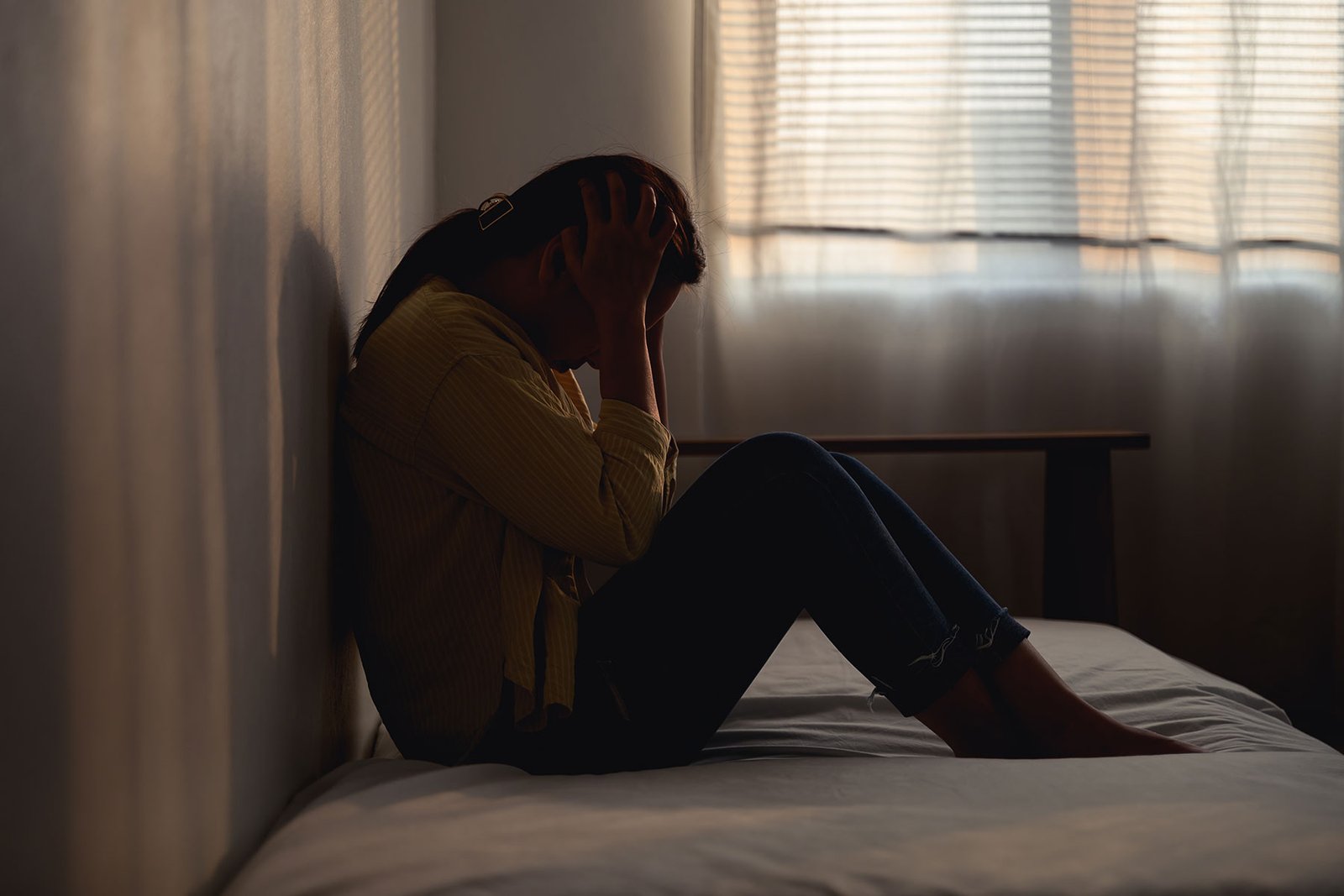
Post-Traumatic Stress Disorder is often associated with military combat, but PTSD can affect anyone who has experienced or witnessed a traumatic event. Car accidents, abuse, medical emergencies, violence, natural disasters, childhood trauma, or sudden loss can all trigger lasting psychological effects.
Many adults live with PTSD symptoms for years without realizing what’s happening—because the condition often shows up in subtle, everyday ways rather than dramatic flashbacks alone.
What Is PTSD?
PTSD is a mental health condition that can develop after experiencing trauma or intense fear.
According to the National Institute of Mental Health, PTSD affects how the brain and body respond to stress, danger, and emotional memories.
Not everyone who experiences trauma develops PTSD, but for some people, the nervous system remains stuck in “survival mode” long after the danger has passed.
PTSD Isn’t Always Obvious
Movies often portray PTSD as severe flashbacks or panic after combat. In reality, many symptoms are quieter and easier to miss.
People may continue functioning at work or school while silently struggling with:
- Anxiety
- Emotional numbness
- Sleep problems
- Hypervigilance
- Irritability
Some adults don’t connect their symptoms to past trauma until years later.
Common PTSD Symptoms in Everyday Life
1. Feeling Constantly “On Edge”
One of the most common symptoms is hypervigilance.
You may:
- Startle easily
- Feel unsafe in ordinary situations
- Constantly scan your surroundings
- Struggle to relax
The nervous system behaves as though danger is always nearby.
2. Trouble Sleeping
PTSD frequently disrupts sleep through:
- Insomnia
- Nightmares
- Restless sleep
- Fear of falling asleep
Poor sleep often worsens anxiety and emotional exhaustion during the day.
3. Avoiding Certain Places, People, or Conversations
Avoidance is a major symptom of PTSD.
This may look like:
- Avoiding driving after a car accident
- Refusing to talk about painful experiences
- Staying away from crowded places or situations that trigger memories
Sometimes people don’t realize how much avoidance is controlling their life.
4. Emotional Numbness
Some adults with PTSD describe feeling:
- Emotionally disconnected
- Detached from others
- Unable to feel joy normally
This emotional shutdown is often the brain’s attempt to protect itself from overwhelming feelings.
5. Irritability and Anger
PTSD doesn’t always appear as sadness.
It may show up as:
- Short temper
- Frustration
- Sudden anger
- Difficulty controlling emotional reactions
Chronic stress keeps the nervous system highly activated.
6. Flashbacks and Intrusive Memories
Not all flashbacks are dramatic.
Some people experience:
- Sudden distressing memories
- Physical panic responses
- Feeling emotionally transported back to the traumatic event
Triggers can include:
- Sounds
- Smells
- News stories
- Certain locations
7. Difficulty Concentrating
Chronic stress and hypervigilance can affect:
- Focus
- Memory
- Productivity
Many adults mistake this for burnout, anxiety, or ADHD.
8. Physical Symptoms
PTSD can affect the body as well as the mind.
Common physical symptoms include:
- Muscle tension
- Headaches
- Digestive problems
- Fatigue
- Rapid heartbeat
Trauma can keep the body in a prolonged stress response state.
Who Can Develop PTSD?
PTSD can affect:
- Survivors of abuse or assault
- First responders
- Healthcare workers
- Accident survivors
- People exposed to violence or disasters
- Adults with childhood trauma
Women are statistically more likely than men to develop PTSD after trauma exposure.
Why PTSD Often Goes Undiagnosed
Many adults assume:
- “I should be over this by now”
- “Other people had it worse”
- “I’m just stressed or anxious”
Because symptoms overlap with:
- Anxiety Disorder
- Depression
- Burnout
PTSD is frequently overlooked.
What Actually Helps PTSD
Recovery is possible, and many people improve significantly with proper support.
1. Trauma-Focused Therapy
Evidence-based therapies may include:
- Cognitive behavioral therapy (CBT)
- EMDR (Eye Movement Desensitization and Reprocessing)
- Trauma-informed counseling
2. Sleep and Nervous System Regulation
Helpful habits include:
- Consistent sleep schedules
- Limiting alcohol and substances
- Regular physical activity
- Relaxation techniques and grounding exercises
3. Social Support
Isolation often worsens PTSD symptoms.
Supportive relationships can help reduce feelings of fear and disconnection.
4. Medication (For Some People)
Certain medications may help manage:
- Anxiety
- Depression symptoms
- Sleep problems
Treatment should always be guided by a healthcare professional.
When to Seek Help
Talk with a mental health professional if symptoms:
- Last longer than a month
- Affect work or relationships
- Cause severe anxiety or sleep disruption
- Make daily life feel difficult to manage
You do not need to wait until symptoms become severe to seek support.
Bottom Line
PTSD is not limited to combat veterans. Trauma can affect anyone, and symptoms often appear in subtle everyday ways—like irritability, poor sleep, emotional numbness, avoidance, or constant anxiety.
Recognizing these patterns is an important first step. With proper treatment and support, many people with PTSD are able to regain stability, improve their mental health, and feel safe and connected again.