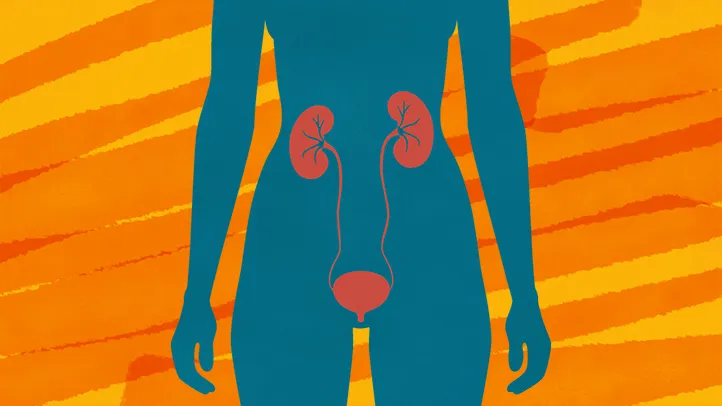
If you’ve had more than one urinary tract infection (UTI), you know the pattern:
burning, urgency, discomfort… then relief after treatment—only for it to come back again.
It’s frustrating, exhausting, and more common than you might think.
Recurring Urinary tract infection affect millions of women in the U.S., and understanding why they keep happening is the first step to breaking the cycle.
What Counts as a “Recurring” UTI?
Doctors typically define recurrent UTIs as:
- 2 or more infections in 6 months, or
- 3 or more in a year
According to the National Institutes of Health, women are especially prone due to anatomy and hormonal factors.
Why UTIs Keep Coming Back
There’s rarely just one cause. Most women with recurring UTIs have a combination of triggers.
1. Bacteria That Never Fully Clears
Sometimes, bacteria (often E. coli) aren’t completely eliminated during treatment.
They can linger in the urinary tract and flare up again later.
2. Sexual Activity
Sex can introduce bacteria into the urinary tract.
This doesn’t mean anything is “wrong”—it’s just biology.
3. Hormonal Changes
Lower estrogen levels—especially during:
- Perimenopause
- Menopause
can weaken the urinary tract’s natural defenses.
4. Wiping or Hygiene Habits
Small habits can matter:
- Wiping back to front
- Using harsh soaps or douches
These can disrupt the natural balance of bacteria.
5. Holding Urine Too Long
Not emptying your bladder regularly allows bacteria more time to grow.
6. Certain Birth Control Methods
Using:
- Spermicides
- Diaphragms
can increase UTI risk by altering vaginal bacteria.
7. Underlying Health Conditions
Conditions like Diabetes can raise UTI risk due to higher sugar levels in urine and reduced immune response.
8. Weakened Immune Defenses
If your immune system is under stress, your body may struggle to fight off infections effectively.
Common Symptoms to Watch For
Recurring UTIs often feel familiar, but don’t ignore symptoms like:
- Burning during urination
- Frequent urge to pee
- Cloudy or strong-smelling urine
- Pelvic discomfort
If symptoms worsen (fever, back pain), seek care immediately.
How to Stop Recurring UTIs (What Actually Works)
Here’s where things get practical.
1. Stay Hydrated (Simple but Powerful)
Drinking enough water helps:
- Flush bacteria out
- Reduce infection risk
Aim for consistent hydration throughout the day.
2. Don’t Hold Your Urine
Go when you feel the urge—don’t delay.
Also, empty your bladder after sex to help remove bacteria.
3. Adjust Hygiene Habits
- Always wipe front to back
- Avoid harsh soaps or vaginal douching
- Choose gentle, unscented products
4. Consider Vaginal Estrogen (If Applicable)
For women in menopause, low-dose estrogen therapy can:
- Restore healthy bacteria
- Reduce recurrence
This is often recommended by the American College of Obstetricians and Gynecologists.
5. Review Your Birth Control
If you’re using spermicides or a diaphragm, talk to your doctor about alternatives.
6. Use Antibiotics Strategically
For frequent UTIs, doctors may prescribe:
- Low-dose preventive antibiotics
- Post-intercourse antibiotics
But this should be carefully managed to avoid resistance.
7. Cranberry Products: Helpful or Hype?
Some studies suggest cranberry may help prevent bacteria from sticking to the urinary tract.
Evidence is mixed—but it may help certain individuals.
8. Probiotics for Gut & Vaginal Health
Healthy bacteria play a key role in preventing infections.
Some research suggests probiotics may:
- Support urinary health
- Reduce recurrence risk
9. Strengthen Your Immune System
Focus on:
- Quality sleep
- Balanced nutrition
- Stress management
A stronger immune system = better defense against infections.
When to See a Doctor
Don’t try to manage recurring UTIs alone if:
- You keep getting infections
- Symptoms return quickly after treatment
- You experience severe pain, fever, or back pain
A doctor may check for:
- Structural issues
- Kidney involvement
- Resistant bacteria
The Bottom Line
Recurring UTIs aren’t just bad luck—they usually have underlying triggers.
The good news? Once you identify what’s causing them, you can take targeted steps to prevent them.
Small daily habits + the right medical support can make a huge difference.