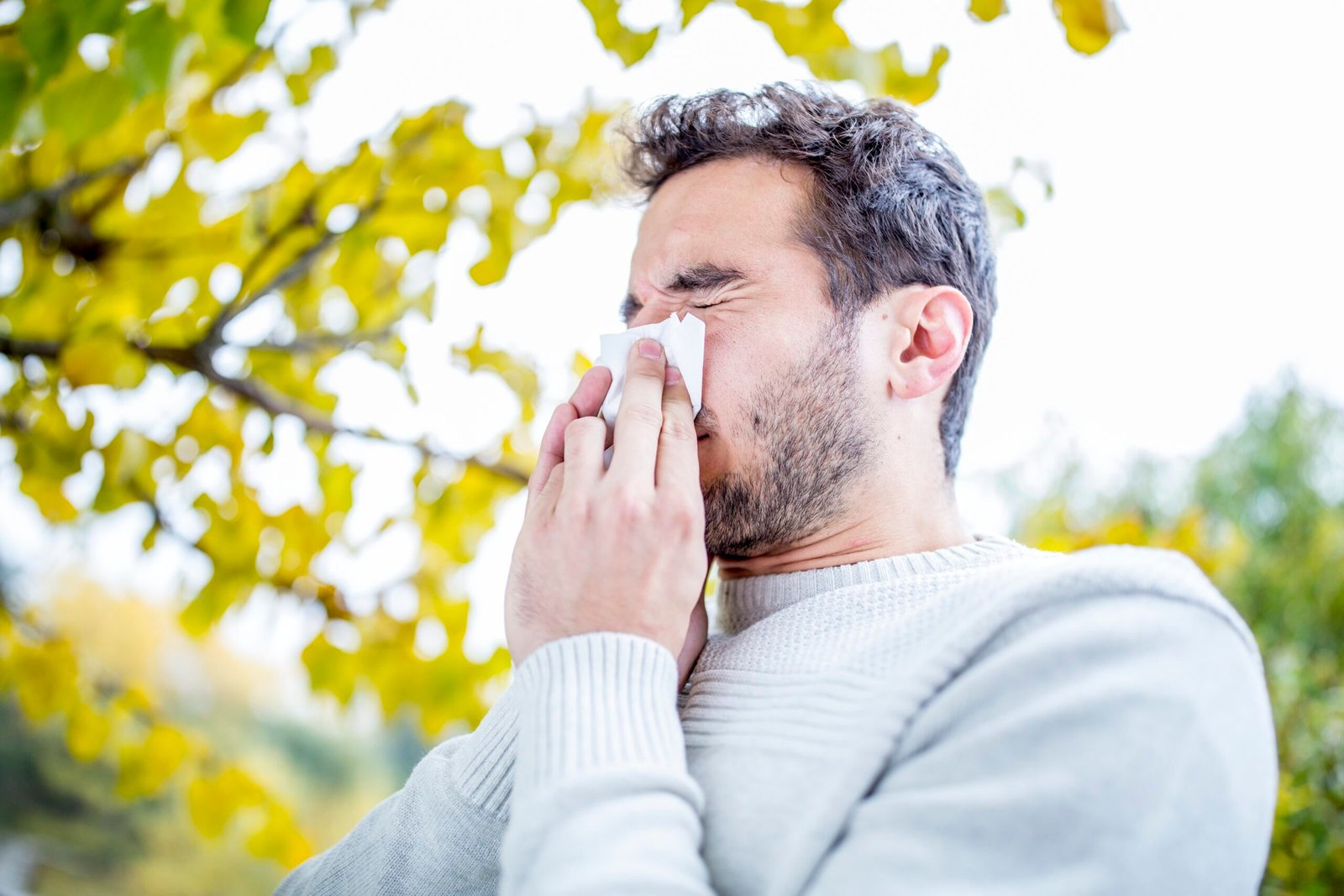
If your seasonal allergies feel more intense than they used to, you’re not imagining it. Many people across the United States report longer allergy seasons, stronger symptoms, and reactions that seem harder to control than in previous years.
Researchers say several factors—including climate changes, air pollution, and rising pollen levels—may be contributing to worsening Seasonal Allergies in both adults and children.
For some people, allergy season now lasts weeks longer than it did decades ago.
What Causes Seasonal Allergies?
Seasonal allergies happen when the immune system overreacts to airborne substances such as:
- Tree pollen
- Grass pollen
- Weed pollen
The body releases histamine and other inflammatory chemicals, causing symptoms like:
- Sneezing
- Congestion
- Itchy eyes
- Runny nose
This condition is also called:
- Allergic Rhinitis
Why Allergies May Be Getting Worse
Several environmental trends appear to be increasing allergy severity.
1. Longer Pollen Seasons
Warmer temperatures and changing climate patterns have extended growing seasons in many parts of North America.
This means:
- Plants release pollen earlier
- Allergy season lasts longer
- Total pollen exposure increases
Some studies show pollen seasons now begin earlier in spring and continue later into fall.
2. Higher Pollen Counts
Researchers have also found rising pollen concentrations in some regions.
Higher carbon dioxide levels may stimulate plants to produce:
- More pollen
- More potent pollen
This can intensify allergy symptoms.
3. Air Pollution Can Make Allergies Worse
Pollution may irritate the airways and make the immune system more reactive to allergens.
Exposure to:
- Smoke
- Vehicle pollution
- Poor air quality
may worsen:
- Congestion
- Asthma symptoms
- Eye irritation
4. More Time Indoors Isn’t Always Better
Indoor allergens may combine with seasonal allergies.
These include:
- Dust mites
- Mold
- Pet dander
People sometimes experience overlapping triggers year-round.
Common Seasonal Allergy Symptoms
Symptoms may include:
- Sneezing
- Runny nose
- Nasal congestion
- Itchy eyes
- Watery eyes
- Scratchy throat
- Fatigue
Some people also develop:
- Sinus pressure
- Headaches
- Sleep problems
Allergies vs Cold: How to Tell the Difference
Allergies
- Usually no fever
- Clear mucus
- Itchy eyes common
- Symptoms may last weeks
Viral Illness
- Fever more common
- Body aches
- Thick mucus possible
- Usually resolves within days to a couple weeks
Allergies Can Affect More Than Your Nose
Poorly controlled allergies may contribute to:
- Sleep disruption
- Fatigue
- Difficulty concentrating
- Reduced productivity
In some people, allergies may worsen:
- Asthma
What Actually Helps Seasonal Allergies?
1. Reduce Pollen Exposure
Helpful strategies include:
- Keeping windows closed during high pollen days
- Showering after spending time outdoors
- Changing clothes after outdoor activities
- Using HEPA air filtration if possible
Pollen often peaks:
- Early morning
- Windy days
2. Monitor Local Pollen Counts
Many weather apps and allergy trackers now provide daily pollen forecasts.
Limiting outdoor activity on very high pollen days may help sensitive individuals.
3. Nasal Saline Rinses
Saline rinses may help remove pollen and mucus from nasal passages.
Many people find them useful for:
- Congestion
- Sinus irritation
Use clean, safe water according to product instructions.
4. Allergy Medications
Common treatments include:
- Antihistamines
- Nasal steroid sprays
- Eye drops
- Decongestants in some cases
Some medications work better when started before peak allergy season begins.
5. Allergy Shots (Immunotherapy)
For severe or persistent allergies, doctors may recommend:
- Allergy immunotherapy
This gradually trains the immune system to become less reactive over time.
6. Improve Indoor Air Quality
Helpful measures may include:
- HEPA filters
- Vacuuming regularly
- Reducing indoor mold and dust
- Keeping humidity controlled
Why Fatigue Happens With Allergies
Allergy-related inflammation and poor sleep can leave people feeling:
- Tired
- Foggy
- Drained
Some antihistamine medications may also contribute to drowsiness.
Children and Older Adults May Struggle More
Seasonal allergies can affect:
- Sleep quality
- School performance
- Breathing
- Energy levels
Older adults with asthma or lung disease may experience more complications.
When to See a Doctor
Medical evaluation may help if:
- Symptoms are severe
- Over-the-counter medications aren’t working
- Breathing problems occur
- Symptoms last most of the year
Chronic congestion may sometimes involve:
- Sinus disease
- Asthma
- Nasal polyps
- Other conditions beyond allergies alone
Emergency Symptoms to Watch For
Seek immediate medical care for:
- Difficulty breathing
- Severe wheezing
- Swelling of lips or throat
These symptoms may indicate:
- Anaphylaxis
or severe asthma complications.
Bottom Line
Seasonal allergies appear to be worsening for many Americans due to longer pollen seasons, rising pollen counts, climate shifts, and air pollution. What once felt like a short spring inconvenience can now last for months in some regions.
Reducing pollen exposure, improving indoor air quality, using appropriate allergy treatments, and monitoring symptoms early in the season can make a major difference. If symptoms become severe, persistent, or affect breathing and sleep, professional medical evaluation may help identify more effective treatment options.