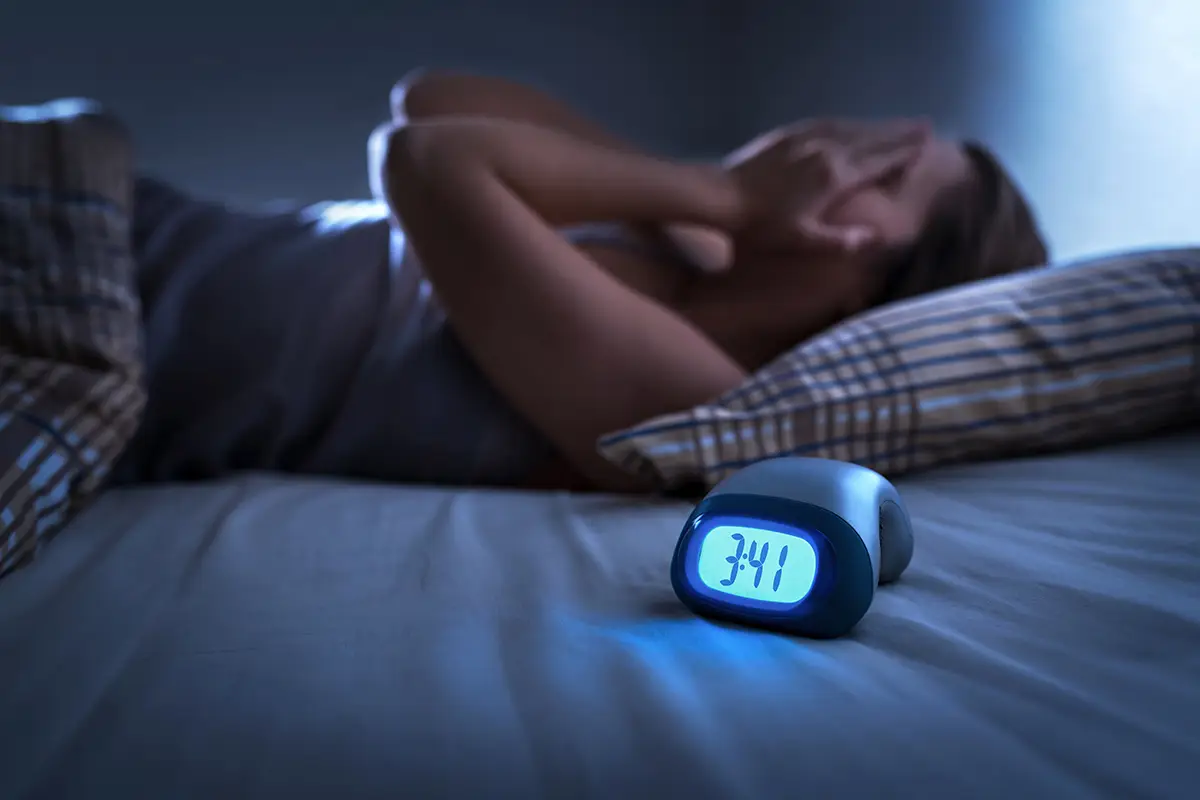
Few experiences are more frustrating than feeling completely exhausted, falling asleep without difficulty, and then waking up in the middle of the night—unable to get back to sleep.
You know you’re tired. Your body needs rest. Yet your mind feels alert, or you find yourself staring at the ceiling for hours.
This pattern is often called sleep maintenance insomnia, and it’s one of the most common sleep complaints among adults.
What Is Sleep Maintenance Insomnia?
Insomnia is generally divided into different types.
Sleep-Onset Insomnia
Difficulty falling asleep at the beginning of the night.
Sleep Maintenance Insomnia
Difficulty staying asleep throughout the night.
People with sleep maintenance insomnia may:
- Wake up multiple times
- Wake up too early
- Have trouble returning to sleep
- Feel unrefreshed in the morning
Many individuals can fall asleep easily but struggle with nighttime awakenings.
Why Can You Be Exhausted and Still Not Sleep?
Sleep is controlled by more than just fatigue.
Two major systems influence sleep:
Sleep Drive
The longer you’re awake, the stronger your body’s drive for sleep becomes.
Arousal System
The brain also has systems designed to keep you alert and responsive.
In sleep maintenance insomnia, the problem often isn’t a lack of sleep drive—it’s excessive arousal.
The brain remains more alert than it should during the night.
Common Causes of Sleep Maintenance Insomnia
Stress and Worry
One of the most common causes is stress.
Concerns about:
- Work
- Finances
- Relationships
- Health
- Family
can activate the body’s alertness systems.
Even when you feel physically tired, your brain may remain partially “on guard.”
Anxiety
People with anxiety frequently report:
- Nighttime awakenings
- Racing thoughts
- Difficulty returning to sleep
The mind may become more active when external distractions disappear.
Depression
Sleep disturbances are common in:
Major Depressive Disorder
Some individuals experience:
- Early morning awakening
- Fragmented sleep
- Reduced sleep quality
In these cases, treating the underlying mood disorder may improve sleep.
Aging
Sleep patterns naturally change with age.
Older adults often experience:
- Lighter sleep
- More nighttime awakenings
- Earlier wake times
While some changes are normal, persistent insomnia is not simply an unavoidable part of aging.
Sleep Apnea
One important and often overlooked cause is:
Obstructive Sleep Apnea
Repeated breathing disruptions may cause:
- Frequent awakenings
- Poor sleep quality
- Daytime fatigue
Many people with sleep apnea are unaware that awakenings are occurring.
Chronic Pain
Conditions involving:
- Back pain
- Arthritis
- Neck pain
- Other chronic pain disorders
can repeatedly disrupt sleep throughout the night.
Pain and sleep often affect one another in a cycle.
Hormonal Changes
Hormonal fluctuations may contribute to nighttime awakenings.
Examples include:
- Menopause
- Perimenopause
- Certain endocrine disorders
Hot flashes and night sweats can be particularly disruptive.
Alcohol
Many people believe alcohol improves sleep because it causes drowsiness.
While it may help some individuals fall asleep faster, alcohol can:
- Increase nighttime awakenings
- Reduce sleep quality
- Fragment sleep later in the night
Caffeine
Caffeine effects may last much longer than many people realize.
Even afternoon consumption can affect sleep in sensitive individuals.
Sources include:
- Coffee
- Tea
- Energy drinks
- Some supplements
The 3 A.M. Wake-Up Phenomenon
A common complaint is:
“I wake up around 3 a.m. every night.”
This often occurs because:
- Sleep becomes lighter in the second half of the night
- Stress hormones may begin rising
- Anxiety becomes more noticeable
- Small awakenings become easier to remember
The exact time varies, but the experience is extremely common.
Why Trying Harder Often Makes It Worse
Many people respond to insomnia by:
- Watching the clock
- Calculating remaining sleep time
- Worrying about tomorrow
Unfortunately, this increases alertness.
Thoughts such as:
- “I have to sleep.”
- “I’ll be exhausted tomorrow.”
- “Why am I awake again?”
can increase stress and make returning to sleep more difficult.
Signs You May Have Sleep Maintenance Insomnia
Common symptoms include:
- Falling asleep normally
- Waking frequently during the night
- Long periods awake after nighttime awakenings
- Early morning awakening
- Daytime fatigue
- Irritability
- Difficulty concentrating
If symptoms occur regularly and affect daily functioning, evaluation may be helpful.
What Actually Helps?
Maintain a Consistent Sleep Schedule
Going to bed and waking up at similar times every day helps regulate the body’s internal clock.
Consistency is often more important than sleeping in on weekends.
Avoid Clock Watching
Checking the time repeatedly can increase stress and alertness.
If possible:
- Turn the clock away
- Avoid checking your phone
Manage Stress Before Bed
Helpful strategies may include:
- Reading
- Meditation
- Relaxation exercises
- Gentle stretching
- Journaling
The goal is to reduce mental activation before sleep.
Limit Alcohol Near Bedtime
Although alcohol may promote drowsiness initially, it often worsens sleep quality later in the night.
Reduce Evening Caffeine
People prone to insomnia may benefit from avoiding caffeine later in the day.
Address Underlying Conditions
Treating issues such as:
- Sleep apnea
- Chronic pain
- Anxiety
- Depression
may significantly improve sleep maintenance problems.
One of the Most Effective Treatments
For chronic insomnia, many sleep specialists recommend:
Cognitive Behavioral Therapy for Insomnia
often called CBT-I.
CBT-I focuses on:
- Sleep habits
- Thought patterns
- Behaviors that interfere with sleep
Research suggests it can be highly effective for many individuals with chronic insomnia.
When Should You See a Doctor?
Consider seeking medical evaluation if:
- Insomnia persists for weeks or months
- Daytime functioning is affected
- You snore heavily
- You gasp during sleep
- Fatigue becomes severe
- Mood symptoms are present
Sleep problems are common, but persistent insomnia deserves attention.
The Good News
Many people assume that being awake at night means something is seriously wrong.
In reality, sleep maintenance insomnia is common and often treatable.
Identifying the underlying cause is usually the most important step.
Bottom Line
Sleep maintenance insomnia occurs when you have difficulty staying asleep or returning to sleep after waking during the night. Even when you’re exhausted, stress, anxiety, sleep apnea, pain, hormonal changes, alcohol, and other factors can keep the brain in a state of heightened alertness that interferes with normal sleep.
Improving sleep habits, reducing nighttime stress, addressing underlying medical conditions, and using evidence-based treatments such as Cognitive Behavioral Therapy for Insomnia (CBT-I) can help restore healthier sleep patterns. If nighttime awakenings are frequent or affecting your quality of life, a healthcare professional can help identify the cause and guide treatment.