Many adults receive their cholesterol test results and immediately wonder: “Are these numbers good or bad?”
Understanding your cholesterol results is important because they help assess your risk for conditions such as:
- Heart Disease
- Heart attack
- Stroke
However, no single cholesterol number tells the whole story. Doctors look at several measurements together, along with other risk factors such as age, blood pressure, smoking status, diabetes, and family history.
Let’s break down what each number means and why it matters.
What Is Cholesterol?
Cholesterol is a waxy, fat-like substance found in every cell of the body.
Your body uses cholesterol to:
- Build cell membranes
- Produce hormones
- Make vitamin D
- Create substances that help digest food
Although cholesterol is essential, having too much of certain types can increase cardiovascular risk.
The Standard Cholesterol Test
A typical lipid panel includes:
- Total cholesterol
- LDL cholesterol
- HDL cholesterol
- Triglycerides
Together, these values provide a more complete picture of heart health.
LDL Cholesterol: The “Bad” Cholesterol
LDL stands for low-density lipoprotein.
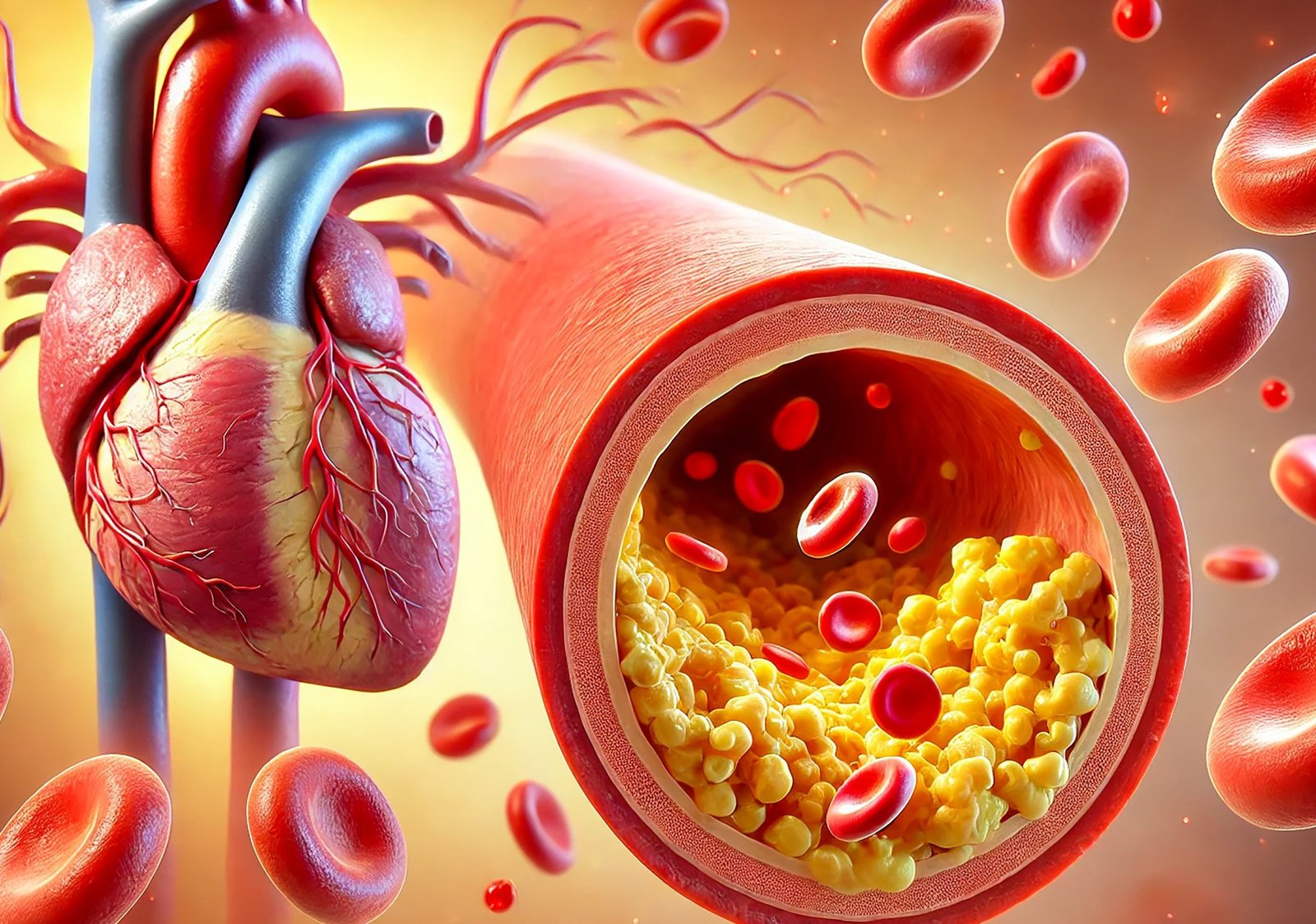
LDL is often called the “bad” cholesterol because it can contribute to plaque buildup inside arteries.
Over time, excess LDL may:
- Narrow arteries
- Reduce blood flow
- Increase the risk of heart attack and stroke
In General
Lower LDL levels are usually associated with lower cardiovascular risk.
Many people with elevated LDL have no symptoms, which is why testing is important.
Why High LDL Matters
When LDL particles accumulate in artery walls, they can contribute to:
Atherosclerosis
Atherosclerosis can eventually lead to:
- Coronary artery disease
- Heart attacks
- Stroke
- Peripheral artery disease
Because this process develops gradually over years, prevention is critical.
HDL Cholesterol: The “Good” Cholesterol
HDL stands for high-density lipoprotein.
HDL is often called the “good” cholesterol because it helps transport excess cholesterol away from arteries and back to the liver for processing.
Higher HDL levels have traditionally been associated with:
- Better cardiovascular health
- Lower risk of heart disease
However, modern research suggests that HDL is only one piece of the puzzle and should not be viewed in isolation.
Can HDL Be Too Low?
Low HDL levels may be associated with increased cardiovascular risk.
Factors that may contribute to lower HDL include:
- Smoking
- Physical inactivity
- Excess body weight
- Certain genetic factors
Improving overall lifestyle habits often helps support healthy HDL levels.
Total Cholesterol: The Big Picture Number
Total cholesterol combines several cholesterol components.
It includes:
- LDL
- HDL
- Other cholesterol-containing particles
While total cholesterol provides useful information, doctors rarely make decisions based on this number alone.
For example:
- A person may have high total cholesterol because their HDL is high.
- Another person may have a similar total cholesterol level due to elevated LDL.
The risk profiles can be very different.
Triglycerides Matter Too
Triglycerides are another type of fat found in the bloodstream.
Elevated triglycerides may be associated with:
- Insulin resistance
- Type 2 Diabetes
- Obesity
- Metabolic syndrome
Very high triglyceride levels may also increase the risk of pancreatitis.
Why Doctors Look Beyond Cholesterol Alone
Modern cardiovascular risk assessment considers multiple factors, including:
- Age
- Sex
- Blood pressure
- Smoking history
- Diabetes status
- Family history
- Cholesterol levels
A person with moderately elevated LDL may have a lower overall risk than someone with multiple additional risk factors.
Common Causes of High Cholesterol
Several factors can influence cholesterol levels.
Diet
Diets high in:
- Saturated fat
- Trans fats
- Highly processed foods
may contribute to unfavorable cholesterol profiles.
Genetics
Some people inherit conditions that significantly raise cholesterol levels regardless of lifestyle.
One example is:
Familial Hypercholesterolemia
Lack of Physical Activity
Regular exercise can support healthier cholesterol levels.
Excess Weight
Carrying excess body fat may negatively affect cholesterol and triglycerides.
Certain Medical Conditions
Examples include:
- Diabetes
- Hypothyroidism
- Kidney disease
How to Improve Cholesterol Naturally
Lifestyle changes often play a major role in cholesterol management.
1. Increase Physical Activity
Regular exercise may:
- Improve HDL
- Lower triglycerides
- Support heart health
Aim for a sustainable activity routine approved by your healthcare provider.
2. Eat More Fiber
Foods rich in fiber include:
- Oats
- Beans
- Lentils
- Fruits
- Vegetables
Soluble fiber can help reduce LDL cholesterol.
3. Choose Healthier Fats
Focus more on:
- Nuts
- Seeds
- Olive oil
- Avocados
- Fatty fish
while limiting trans fats and reducing excessive saturated fat intake.
4. Maintain a Healthy Weight
Even modest weight loss may improve:
- LDL
- HDL
- Triglycerides
particularly in people with overweight or obesity.
5. Avoid Smoking
Smoking damages blood vessels and is associated with lower HDL levels.
Quitting smoking improves cardiovascular health regardless of cholesterol levels.
When Are Cholesterol Medications Needed?
Lifestyle changes are important, but some individuals also benefit from medication.
Common examples include:
Atorvastatin
and other statins.
Medication decisions depend on:
- LDL levels
- Overall cardiovascular risk
- Existing heart disease
- Diabetes status
- Family history
Only a healthcare professional can determine whether medication is appropriate.
How Often Should Cholesterol Be Checked?
Testing frequency varies based on:
- Age
- Risk factors
- Previous results
- Existing medical conditions
Your healthcare provider can recommend an appropriate screening schedule.
Questions to Ask Your Doctor
When reviewing cholesterol results, consider asking:
- What do my numbers mean for my overall risk?
- Is my LDL level concerning?
- How do my triglycerides look?
- Would lifestyle changes be enough?
- Should I consider medication?
- When should I repeat testing?
Bottom Line
A cholesterol test provides more information than a single number. LDL (“bad”) cholesterol can contribute to plaque buildup in arteries, HDL (“good”) cholesterol helps transport excess cholesterol away from blood vessels, and total cholesterol offers a broader overview. Triglycerides are also an important part of the picture.
Rather than focusing on one value alone, healthcare providers assess cholesterol levels alongside other cardiovascular risk factors. Understanding your numbers can help you make informed decisions about diet, exercise, preventive care, and long-term heart health.