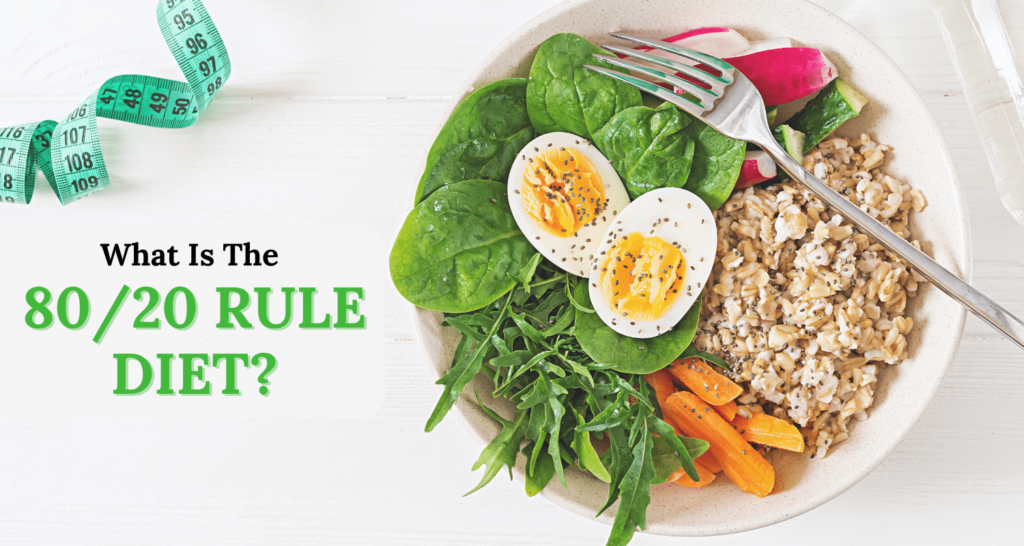
Did you know that improving just 20% of your food choices can make a meaningful difference in your overall health?
That idea forms the foundation of the 80/20 rule diet.
But what exactly is the 80/20 rule diet?
It’s a flexible eating approach where you focus on nutritious foods 80% of the time and allow yourself moderate indulgences 20% of the time. Instead of strict restrictions, this method encourages balance, sustainability, and a healthier relationship with food.
In this guide, we’ll explore:
- What the 80/20 rule diet is
- How it works
- Its benefits
- Whether it supports weight management
- Practical ways to follow it successfully
Key Takeaways
- The 80/20 rule diet promotes balanced eating rather than restriction
- Eat nutrient-dense foods 80% of the time
- Enjoy treats 20% of the time without guilt
- Supports long-term healthy habits
- Helps improve weight management and food relationships
- Encourages sustainable lifestyle changes instead of short-term dieting
Understanding the 80/20 Rule Diet
The 80/20 rule diet is based on balance and moderation.
It means:
- 80% of meals = whole, nutritious foods
- 20% of meals = flexible enjoyment foods
Examples of the healthy 80% include:
- Fruits
- Vegetables
- Whole grains
- Lean proteins
- Healthy fats
Examples of the flexible 20% include:
- Desserts
- Fried foods
- Processed snacks
- Restaurant meals
The idea is not perfection — it’s consistency over time.
This approach is inspired by the Pareto Principle, which suggests that small changes can create meaningful results.
Benefits of the 80/20 Rule Diet
Following the 80/20 rule diet can support both physical and mental health.
1. Supports Overall Health
Eating nutrient-rich foods most of the time provides:
- Vitamins
- Minerals
- Fiber
- Antioxidants
These nutrients strengthen immunity and support long-term wellness.
2. Helps With Weight Management
Unlike restrictive diets, the 80/20 rule encourages moderation rather than elimination.
This reduces:
- overeating cycles
- cravings
- emotional eating patterns
Consistency matters more than perfection.
3. Encourages Long-Term Sustainability
Strict diets often fail because they are hard to maintain.
The 80/20 approach works because it:
- allows flexibility
- reduces guilt around food
- supports realistic habits
This makes it easier to maintain healthy eating long term.
4. Improves Relationship With Food
Allowing occasional treats prevents the “all-or-nothing” mindset.
This helps:
- reduce binge eating risk
- lower food-related stress
- improve mindful eating habits
5. Promotes Dietary Variety
Because the plan is flexible, it naturally encourages:
- diverse nutrients
- enjoyable meals
- better meal satisfaction
Variety supports better nutrition overall.
How to Follow the 80/20 Rule Diet
Implementing the 80/20 rule is simple.
Here are practical strategies:
Plan Balanced Meals
Aim for most meals to include:
- vegetables
- whole grains
- lean protein
- healthy fats
Practice Portion Awareness
Enjoy treats in moderation rather than large quantities.
Small portions still satisfy cravings.
Eat Mindfully
Listen to hunger signals.
Slow down while eating and stop when comfortably full.
Stay Hydrated
Drinking enough water supports digestion and appetite control.
Include Food Variety
Rotate ingredients weekly to maintain nutritional balance.
Stay Flexible
Special events and celebrations are part of life.
The 80/20 rule allows space for them.
Is the 80/20 Rule Diet Effective?
Research supports flexible eating approaches for long-term success.
Studies suggest balanced diets like the 80/20 method may help:
- maintain healthy weight
- reduce overeating behavior
- improve diet consistency
- support mental well-being
Unlike strict dieting, flexibility improves adherence over time.
However, results vary depending on:
- activity level
- metabolism
- lifestyle habits
- overall calorie intake
Personalization is important.
Guidelines for Following the 80/20 Rule Diet
Use these simple nutrition principles:
Choose Whole Foods Most of the Time
Focus on:
- fruits
- vegetables
- legumes
- whole grains
- lean proteins
- healthy fats
Build Balanced Plates
Try this plate model:
- ½ vegetables
- ¼ protein
- ¼ whole grains
- small portion healthy fats
Allow Planned Treats
Treats work best when:
- intentional
- moderate
- enjoyable
Avoid labeling foods as “good” or “bad.”
How to Apply the 80/20 Rule in Daily Life
Simple lifestyle habits help make the rule easier:
Plan Ahead
Prepare meals in advance when possible.
Make Smart Restaurant Choices
Choose grilled foods instead of fried options when possible.
Stay Flexible at Social Events
Enjoy celebrations without guilt.
Balance meals before and after.
Practice Mindful Eating
Focus on taste, hunger, and satisfaction signals.
Tips for Success With the 80/20 Rule Diet
Follow these strategies for better results:
- Stay consistent instead of aiming for perfection
- Avoid skipping meals
- Include protein in each meal
- Keep healthy snacks available
- Track habits rather than calories if preferred
- Celebrate small progress steps
Remember: balance builds sustainable results.
Conclusion
The 80/20 rule diet is a practical and sustainable way to improve eating habits without strict restrictions.
By choosing nutritious foods most of the time while still enjoying occasional treats, you can:
- improve overall health
- support weight management
- maintain motivation
- build a healthier relationship with food
Instead of chasing perfection, the goal is long-term balance and consistency.