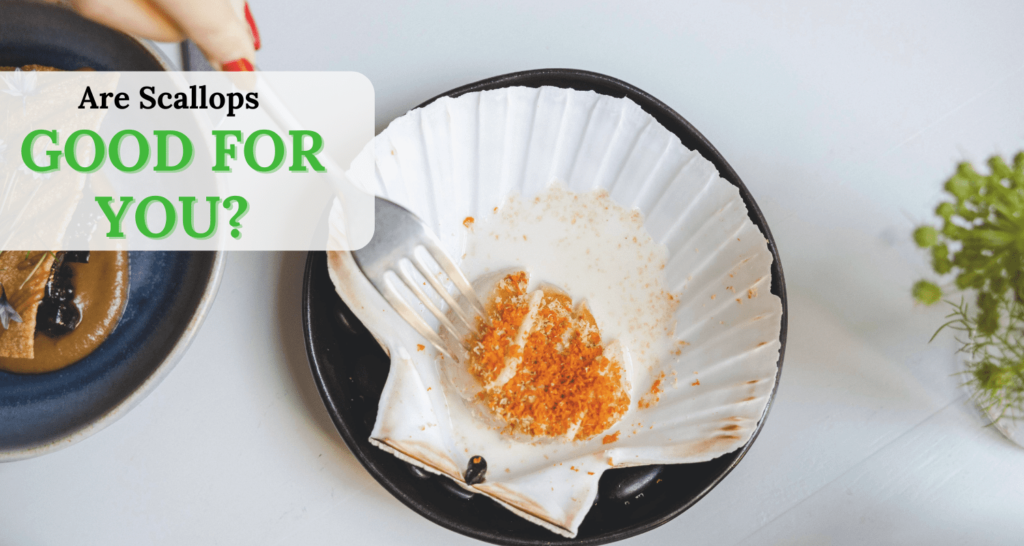
Did you know scallops are not only delicious but also packed with nutrients that support heart health, brain function, and muscle repair?
Whether you enjoy seafood regularly or are exploring healthier protein options, scallops can be a smart addition to a balanced diet.
In this guide, we’ll answer the question:
Are scallops good for you?
We’ll also explore:
- Scallop nutrition facts
- Health benefits
- Fresh vs frozen scallops comparison
- Sustainability considerations
- Easy scallop meal ideas
Let’s dive in.
Key Takeaways
- Scallops are rich in high-quality lean protein
- They provide important nutrients like vitamin B12, selenium, and zinc
- They support heart and brain health
- They are naturally low in calories and fat
- Sustainably sourced scallops are an environmentally responsible seafood option
Nutritional Profile of Scallops
Scallops are nutrient-dense while remaining low in calories.
A typical serving (about 85–100 g cooked scallops) provides:
- High-quality protein
- Vitamin B12
- Selenium
- Zinc
- Phosphorus
- Magnesium
- Potassium
- Small amounts of omega-3 fatty acids
This combination supports multiple body systems.
Vitamins Found in Scallops
Scallops are especially rich in vitamin B12, which helps:
- support nerve function
- produce red blood cells
- maintain energy metabolism
They also contain smaller amounts of:
- vitamin A
- vitamin E
- several B-complex vitamins
Minerals Found in Scallops
Scallops are an excellent source of selenium, a powerful antioxidant mineral that supports:
- immune function
- thyroid activity
- protection against oxidative stress
They also provide:
- phosphorus (bone health)
- zinc (immune support)
- magnesium (muscle function)
Health Benefits of Scallops
Scallops support several important aspects of health.
1. Support Heart Health
Scallops contain omega-3 fatty acids, which may help:
- reduce inflammation
- support healthy cholesterol balance
- maintain normal blood pressure
They are also naturally low in saturated fat, making them heart-friendly.
2. Support Brain Function
Vitamin B12 and omega-3 fatty acids help:
- maintain cognitive performance
- support nerve signaling
- reduce risk of deficiency-related fatigue
These nutrients are especially important for long-term neurological health.
3. Provide High-Quality Protein
Protein from scallops helps:
- build muscle
- repair tissues
- support metabolism
- maintain healthy skin and hair
Seafood protein is generally easier to digest than many red meats.
4. Help With Weight Management
Scallops are:
- low in calories
- low in fat
- high in protein
This combination supports satiety and healthy weight goals.
5. Support Thyroid Function
Selenium in scallops plays a key role in thyroid hormone metabolism.
Adequate selenium intake supports:
- energy balance
- metabolism regulation
- immune function
Fresh vs Frozen Scallops: Which Is Better?
Both fresh and frozen scallops can be nutritious choices.
Fresh Scallops
Best when:
- purchased from trusted fish markets
- firm and slightly sweet-smelling
- cooked shortly after purchase
They often have the best natural flavor.
Frozen Scallops
A convenient and practical option.
Individually quick frozen (IQF) scallops:
- preserve nutrients well
- reduce waste
- allow flexible cooking portions
Proper thawing improves texture and taste.
Tip: Always pat scallops dry before cooking for better browning.
Are Scallops Sustainable?
Choosing sustainable seafood helps protect marine ecosystems 🌊
Sustainably farmed or responsibly harvested scallops can:
- reduce habitat damage
- prevent overfishing
- support coastal communities
- maintain biodiversity
Look for seafood certified by recognized sustainability programs when possible.
Healthy Ways to Cook Scallops
Scallops cook quickly and work well in many dishes.
Popular healthy preparation methods include:
- pan-searing with olive oil
- grilling with herbs
- baking with lemon and garlic
- adding to salads or grain bowls
- ceviche (using sashimi-grade scallops only)
Avoid heavy cream sauces if your goal is heart-healthy eating.
Are There Any Downsides to Eating Scallops?
Scallops are safe for most people, but consider:
- shellfish allergy risk
- sodium content in processed scallops
- portion control when fried or butter-heavy recipes are used
People with seafood allergies should avoid scallops.
Final Answer: Are Scallops Good for You?
Yes — scallops are a nutritious seafood choice.
They provide:
- lean protein
- vitamin B12
- selenium
- zinc
- omega-3 fatty acids
Together, these nutrients support:
- heart health
- brain function
- muscle repair
- thyroid activity
- weight management
When prepared in healthy ways and sourced responsibly, scallops can be an excellent addition to a balanced diet.