Most people expect some discomfort during their period. Cramps, fatigue, maybe a headache—it’s often considered “normal.”
But what if the pain feels too intense, too frequent, or just not right?
That’s where conditions like Endometriosis come in—and they’re often misunderstood or dismissed for years.
Let’s break down how normal period pain compares to endometriosis pain, so you can better recognize what your body might be telling you.
First, What Is “Normal” Period Pain?
Typical menstrual cramps (called primary dysmenorrhea) happen when the uterus contracts to shed its lining.
Normal period pain usually:
- Starts just before or at the beginning of your period
- Feels like a dull, cramping pain in the lower abdomen
- Lasts 1–3 days
- Improves with:
- Over-the-counter pain relievers
- Heat (like a heating pad)
- Doesn’t stop you from doing daily activities
According to the American College of Obstetricians and Gynecologists, mild to moderate cramps are common and manageable for most women.
What Is Endometriosis Pain?
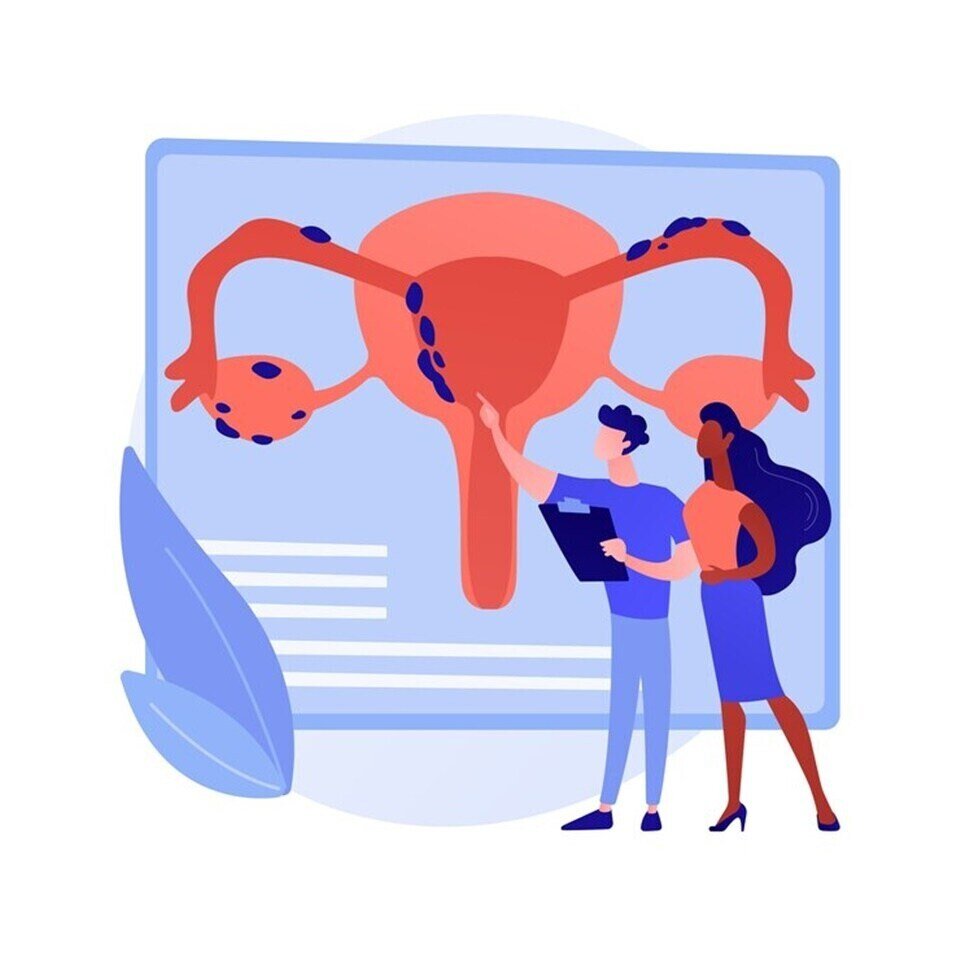
Endometriosis happens when tissue similar to the uterine lining grows outside the uterus, causing inflammation, irritation, and sometimes scarring.
This leads to a very different kind of pain.
Key Differences: Endometriosis vs Normal Period Pain
1. Pain Intensity
Normal:
- Mild to moderate
- Manageable with basic pain relief
Endometriosis:
- Severe, often described as sharp, stabbing, or burning
- Pain that interferes with work, school, or daily life
2. Timing of Pain
Normal:
- Limited to your period
Endometriosis:
- Can happen:
- Before your period
- During your period
- Between periods
Chronic pelvic pain is a major red flag.
3. Pain That Doesn’t Improve
Normal:
- Gets better with medication, rest, or heat
Endometriosis:
- Pain may not respond well to OTC medications
- Can persist despite trying typical remedies
4. Pain During Sex
Normal:
- Typically not painful
Endometriosis:
- Pain during or after sex is common
This is often overlooked but important.
5. Heavy or Irregular Periods
Normal:
- Predictable flow
Endometriosis:
- Heavy bleeding
- Spotting between periods
6. Digestive or Bathroom Pain
Normal:
- Mild bloating at most
Endometriosis:
- Pain during:
- Bowel movements
- Urination
- Especially during your period
7. Fertility Issues
Normal:
- No impact
Endometriosis:
- Can affect fertility
According to the National Institutes of Health, endometriosis is one of the leading causes of infertility.
8. Fatigue and Whole-Body Symptoms
Normal:
- Mild tiredness
Endometriosis:
- Deep fatigue
- Low energy even outside your period
Why Endometriosis Gets Missed
Many people are told:
- “Period pain is normal”
- “It’s just part of being a woman”
As a result, diagnosis can take years.
The Endometriosis Foundation of America reports that delayed diagnosis is extremely common, often due to symptom normalization.
When Should You Be Concerned?
You should talk to a doctor if:
- Pain stops you from normal activities
- You miss school or work because of cramps
- Pain happens outside your period
- OTC meds don’t help
- You experience pain during sex or bowel movements
These are not typical period symptoms.
What to Do Next
1. Track Your Symptoms
Keep notes on:
- Pain timing
- Intensity
- Triggers
This helps doctors identify patterns.
2. Advocate for Yourself
If your pain is dismissed, seek a second opinion—especially from a gynecologist experienced in endometriosis.
3. Explore Treatment Options
Treatment may include:
- Hormonal therapy
- Pain management
- In some cases, surgery
There’s no one-size-fits-all approach.
The Bottom Line
Not all period pain is “normal.”
If your symptoms feel severe, persistent, or life-disrupting, your body may be signaling something deeper—like endometriosis.
Recognizing the difference early can lead to better care, less pain, and a much higher quality of life.