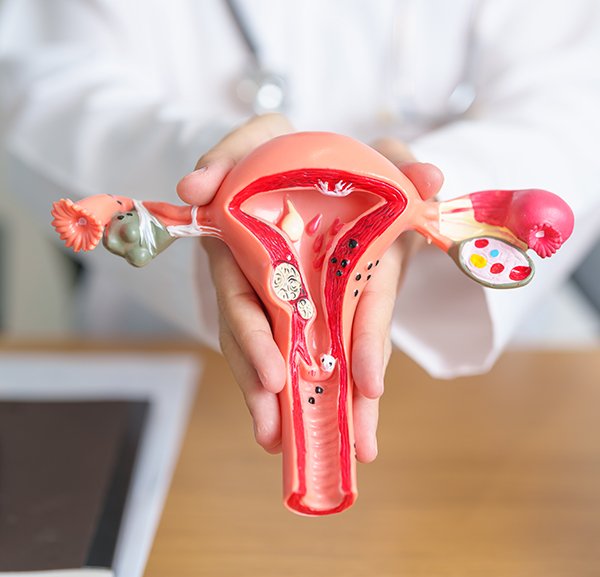
If you’ve been dealing with heavy periods, pelvic pressure, or constant bloating that doesn’t quite make sense, you’re not alone.
Millions of women in the U.S. have Uterine fibroids—and many don’t even realize it.
The good news? Fibroids are non-cancerous, and in many cases, they can be managed without surgery.
Let’s break it down in a way that actually helps you understand what’s going on—and what you can do about it.
What Are Uterine Fibroids?
Fibroids are growths made of muscle and fibrous tissue that develop in or around the uterus.
They can vary in size:
- As small as a seed
- As large as a grapefruit
Some women have one fibroid, others have several—and symptoms can range from none at all to very disruptive.
According to the National Institutes of Health, up to 70–80% of women develop fibroids by age 50.
Common Symptoms of Fibroids
Not everyone experiences symptoms, but when they do, they often include:
1. Heavy or Prolonged Periods
- Bleeding that lasts longer than a week
- Needing to change pads/tampons frequently
2. Pelvic Pressure or Pain
- A feeling of fullness in the lower abdomen
- Pressure that doesn’t go away
3. Frequent Urination
- Fibroids pressing on the bladder can make you feel like you constantly need to go
4. Bloating or Enlarged Abdomen
- Sometimes mistaken for weight gain
5. Pain During Sex
- Depending on fibroid location
6. Lower Back Pain
- Especially with larger fibroids
7. Fatigue
Heavy bleeding can lead to Iron deficiency anemia, causing tiredness and weakness.
What Causes Fibroids?
There’s no single cause, but research points to a few key factors:
Hormones
Estrogen and progesterone play a big role in fibroid growth.
Genetics
If your mother or sister had fibroids, your risk is higher.
Age & Reproductive Years
Fibroids are most common between ages 30–50.
Lifestyle Factors
- Diet
- Stress
- Body weight
These may influence risk, though they’re not direct causes.
Can Fibroids Go Away on Their Own?
Sometimes.
Fibroids may shrink after menopause when hormone levels drop. But during reproductive years, they usually:
- Stay the same
- Or grow slowly
Non-Surgical Treatment Options (What Actually Helps)
If your symptoms are manageable, you may not need surgery at all.
Here are evidence-based options:
1. Watchful Waiting
If symptoms are mild:
- Regular check-ups
- Monitoring growth
Many women choose this approach.
2. Medications for Symptom Relief
Hormonal Birth Control
- Helps regulate periods
- Reduces heavy bleeding
Hormone-Regulating Therapies
Some medications lower estrogen levels to shrink fibroids.
Pain Relievers
Over-the-counter options can help with cramps and discomfort.
3. Non-Hormonal Medications
Certain prescription medications can:
- Reduce heavy bleeding
- Improve quality of life without affecting hormones
4. Lifestyle Changes
While they won’t eliminate fibroids, they can help manage symptoms:
Anti-inflammatory diet
- Fruits and vegetables
- Whole grains
- Lean proteins
Regular exercise
- Helps balance hormones
- Supports overall health
Stress management
Chronic stress can influence hormone levels.
5. Minimally Invasive (Non-Surgical) Procedures
If symptoms are more severe but you want to avoid major surgery:
Uterine Fibroid Embolization (UFE)
A procedure that blocks blood flow to fibroids, causing them to shrink.
Recommended by groups like the American College of Obstetricians and Gynecologists as an alternative to surgery in certain cases.
MRI-Guided Focused Ultrasound
Uses sound waves to destroy fibroid tissue without incisions.
When to See a Doctor
Don’t ignore symptoms like:
- Very heavy bleeding
- Severe pelvic pain
- Rapid abdominal growth
- Signs of anemia (fatigue, dizziness)
Early evaluation can prevent complications and expand your treatment options.
The Bottom Line
Uterine fibroids are common—but they don’t have to control your life.
If you’re experiencing symptoms, know this:
- You’re not alone
- You have options
- Surgery is not always necessary
With the right approach, many women successfully manage fibroids and feel significantly better.