Living with Fibromyalgia can feel unpredictable. One day you’re managing, the next you’re dealing with widespread pain, fatigue, and brain fog.
While there’s no single “cure diet,” what you eat can influence inflammation, energy levels, and symptom flare-ups. Many people with fibromyalgia notice that certain foods help them feel better—while others make symptoms worse.
Can Diet Really Help Fibromyalgia?
Yes—but not in a one-size-fits-all way.
According to research and guidance from the National Institutes of Health and the Arthritis Foundation, diet changes can:
- Reduce inflammation
- Improve energy and sleep
- Support muscle and nerve function
- Help manage weight (which can reduce pain load)
Think of diet as a support tool, not a standalone treatment.
Foods That May Help Reduce Pain and Flare-Ups
1. Anti-Inflammatory Foods
Chronic low-grade inflammation may play a role in fibromyalgia symptoms.
Focus on:
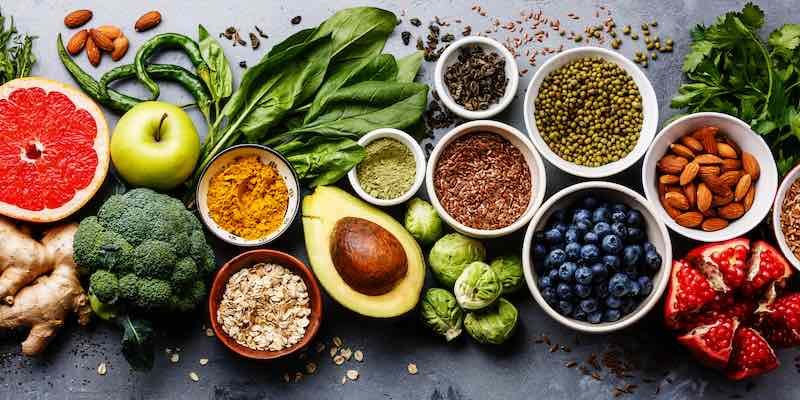
- Leafy greens (spinach, kale)
- Berries (blueberries, strawberries)
- Tomatoes
- Olive oil
These foods are rich in antioxidants that help combat inflammation.
2. Omega-3 Rich Foods
Omega-3 fatty acids support joint and nerve health.
Good options:
- Fatty fish (salmon, sardines)
- Walnuts
- Flaxseeds and chia seeds
Some studies suggest omega-3s may help reduce pain sensitivity.
3. Lean Protein for Muscle Support
Protein helps repair tissues and maintain strength.
Include:
- Chicken, turkey
- Eggs
- Beans and lentils
- Tofu
Balanced protein intake can also help stabilize energy levels.
4. Magnesium-Rich Foods
Magnesium plays a role in muscle relaxation and nerve function.
Try:
- Almonds and cashews
- Avocados
- Dark leafy greens
- Whole grains
Low magnesium levels have been linked to increased muscle pain.
5. Whole, Unprocessed Carbohydrates
Instead of refined carbs, choose:
- Brown rice
- Quinoa
- Oats
These provide steady energy and may help reduce fatigue and brain fog.
6. Hydrating Foods and Fluids
Dehydration can worsen fatigue and headaches.
- Drink enough water
- Include hydrating foods like cucumbers, oranges, and watermelon
Foods That May Trigger Flare-Ups
Not everyone reacts the same way, but some common triggers include:
1. Highly Processed Foods
- Packaged snacks
- Fast food
- Processed meats
These often contain additives that may increase inflammation.
2. Added Sugars
High sugar intake can lead to energy crashes and worsen fatigue.
3. Artificial Sweeteners
Some people report increased pain or headaches after consuming them.
4. Excess Caffeine
While small amounts may help energy, too much can:
- Disrupt sleep
- Increase anxiety
- Worsen fatigue later
5. Alcohol
Alcohol may interfere with sleep quality and increase next-day symptoms.
6. Food Sensitivities
Some individuals notice symptom flare-ups with:
- Gluten
- Dairy
There’s no universal rule—but tracking your reactions can help identify patterns.
Practical Tips That Actually Make a Difference
Keep a Food & Symptom Journal
Track what you eat and how you feel. Patterns often appear within a few weeks.
Eat Small, Balanced Meals
This helps maintain steady energy and prevents crashes.
Don’t Skip Meals
Skipping meals can worsen fatigue and brain fog.
Focus on Consistency, Not Perfection
You don’t need a perfect diet—just a sustainable one.
What About Supplements?
Some people explore supplements like:
- Magnesium
- Vitamin D
- Omega-3s
However, results vary. Always talk to a healthcare provider before starting supplements.
When to Talk to a Doctor or Dietitian
Consider professional guidance if:
- Symptoms are worsening
- You suspect food sensitivities
- You’re trying elimination diets
- You have other conditions (like IBS or autoimmune disorders)
A registered dietitian can help personalize your approach.
The Bottom Line
There’s no single “fibromyalgia diet”—but your food choices can either support your body or make symptoms harder to manage.
The most effective approach is simple:
- Focus on whole, nutrient-rich foods
- Limit processed and trigger foods
- Pay attention to how your body responds
Small, consistent changes often lead to the biggest improvements.