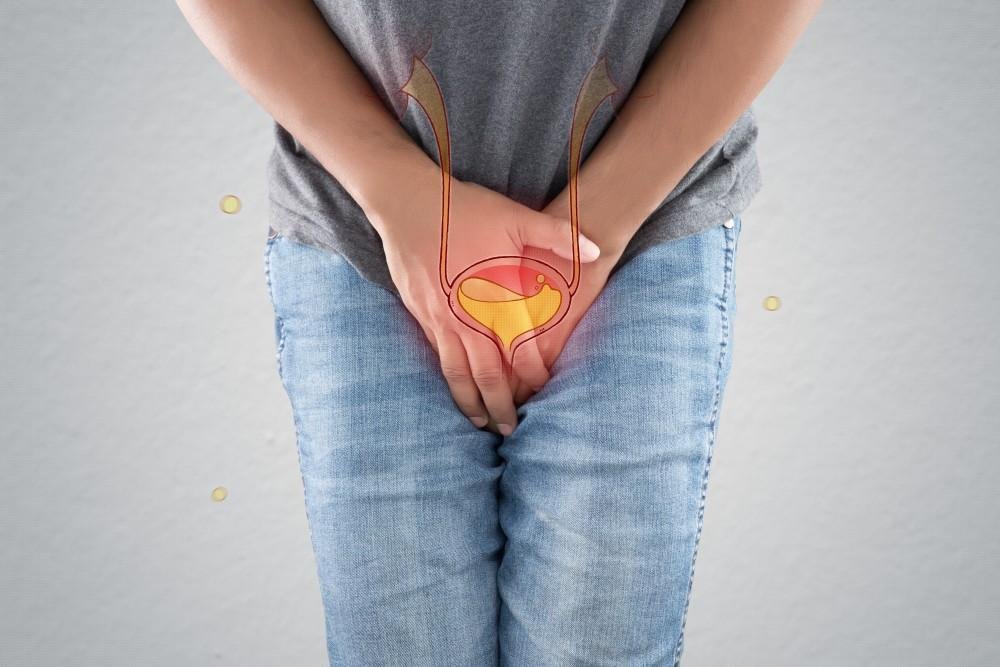
Urinary incontinence—loss of bladder control—is more common in men than many realize, especially with age. While it can feel embarrassing, it’s often treatable once you understand what’s causing it.
What Is Urinary Incontinence?
Urinary Incontinence refers to the unintentional leakage of urine. It can range from occasional dribbling to a complete inability to control urination.
Common Causes in Men
Several underlying issues can lead to incontinence:
1. Prostate Problems
The prostate plays a major role in male urinary health.
- Benign Prostatic Hyperplasia (BPH) can block urine flow
- Prostate surgery (especially for cancer) can weaken bladder control
2. Nerve Damage
Conditions that affect nerves can disrupt bladder signals:
- Diabetes
- Parkinson’s Disease
- Multiple Sclerosis
3. Bladder Issues
- Overactive bladder muscles
- Infections like Urinary Tract Infection
- Bladder stones
4. Lifestyle Factors
- Excess alcohol or caffeine
- Obesity
- Smoking (can lead to chronic coughing and pressure on the bladder)
Types of Urinary Incontinence
Understanding the type helps guide treatment:
1. Stress Incontinence
Leakage during activities like coughing, sneezing, or lifting.
Often linked to weakened pelvic floor muscles (common after prostate surgery).
2. Urge Incontinence (Overactive Bladder)
Sudden, intense urge to urinate followed by leakage.
Caused by involuntary bladder contractions.
3. Overflow Incontinence
Frequent dribbling due to a bladder that doesn’t empty completely.
Often related to prostate enlargement.
4. Functional Incontinence
Physical or mental limitations prevent reaching the bathroom in time.
Treatment Options
The good news: most cases improve with the right approach.
1. Lifestyle Changes
- Reduce caffeine and alcohol
- Maintain a healthy weight
- Quit smoking
2. Pelvic Floor Exercises
Also known as Kegel Exercises, these strengthen muscles that control urination.
3. Bladder Training
Scheduled bathroom visits and gradually increasing the time between urination can improve control.
4. Medications
Doctors may prescribe drugs to:
- Relax bladder muscles
- Reduce urgency
- Improve urine flow (especially with prostate issues)
5. Medical Devices & Procedures
- Catheters for severe cases
- Surgical options (e.g., sling procedures or artificial urinary sphincter)
When to See a Doctor
Don’t ignore symptoms. Seek help if you experience:
- Frequent leakage
- Sudden urges you can’t control
- Difficulty starting or stopping urination
- Blood in urine
Early treatment can prevent complications and significantly improve quality of life.
The Bottom Line
Urinary incontinence in men is common—but not something you have to live with. Whether it’s due to prostate changes, nerve issues, or lifestyle factors, there are effective treatments available.
The key is addressing it early, understanding the type, and working with a healthcare provider to find the right solution.