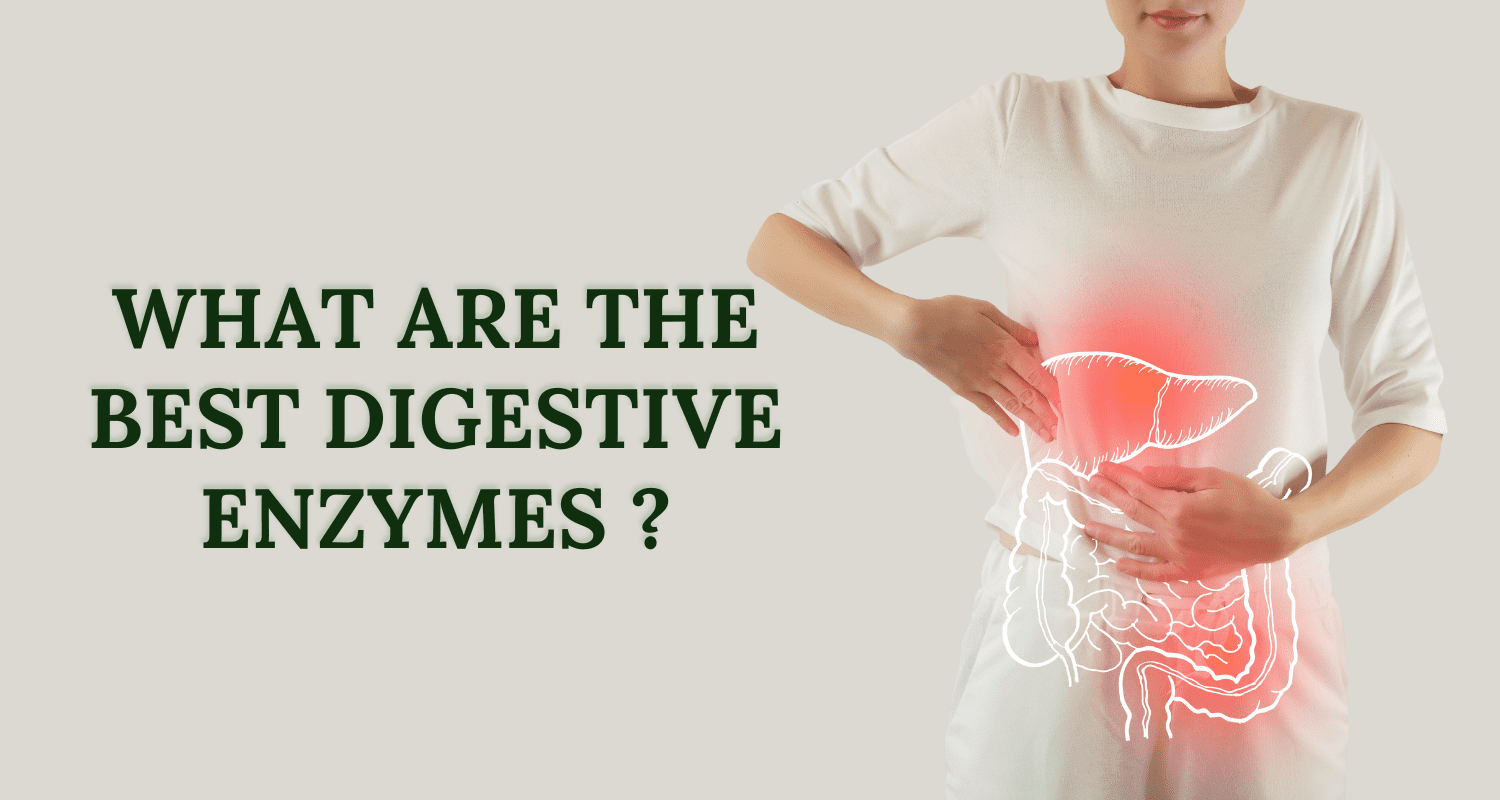
Digestive enzymes are essential proteins that help break down food so your body can absorb nutrients properly. Without enough of these enzymes, digestion can become uncomfortable — leading to bloating, gas, diarrhea, and stomach pain.
For people experiencing digestive issues, enzyme supplements may help support better digestion and improve gut health.
In this guide, we’ll explore:
- What digestive enzymes are
- The best digestive enzymes for different needs
- Causes of enzyme insufficiency
- Digestive enzymes vs. probiotics
- How to choose the right supplement
Let’s dive into what are the best digestive enzymes.
Key Takeaways
- Digestive enzymes help break down carbohydrates, fats, and proteins.
- Insufficient enzymes can cause bloating, gas, diarrhea, and nutrient deficiencies.
- The best digestive enzymes depend on individual digestive needs.
- Prescription enzymes are FDA-regulated; over-the-counter supplements are not.
- Always consult a healthcare professional before starting supplements.
What Are Digestive Enzymes and How Do They Work?
Digestive enzymes are proteins produced mainly in the mouth, stomach, pancreas, and small intestine. Their job is to break food into smaller molecules that your body can absorb.
Main Types of Digestive Enzymes
1. Amylase
- Breaks down carbohydrates into simple sugars.
- Starts working in the mouth.
2. Lipase
- Breaks down fats into fatty acids.
- Works mainly in the small intestine.
3. Protease
- Breaks down proteins into amino acids.
- Supports tissue repair and overall health.
4. Lactase
- Breaks down lactose (milk sugar).
- Essential for people with lactose intolerance.
Each enzyme has a specific function. If your body lacks one, digestion of that nutrient becomes difficult.
What Are the Best Digestive Enzymes?
The best digestive enzymes depend on your symptoms and dietary needs.
Best Broad-Spectrum Enzymes
- Contain amylase, protease, lipase, and other enzymes.
- Good for general digestive support.
Best for Lactose Intolerance
- Supplements containing lactase.
Best for High-Protein Diets
- Protease-focused formulas.
Best for Fat Digestion Issues
- Lipase-rich supplements.
Best for Plant-Based Diets
- Enzyme blends that help break down fiber and plant compounds.
There is no “one-size-fits-all” solution — choosing depends on your body’s needs.
Digestive Enzyme Insufficiency: Causes & Symptoms
Digestive enzyme insufficiency occurs when your body doesn’t produce enough enzymes or can’t use them properly.
Common Causes
- Exocrine Pancreatic Insufficiency (EPI)
- Chronic pancreatitis
- Cystic fibrosis
- Pancreatic cancer
- Gastrointestinal surgeries
- Genetic enzyme deficiencies
- Lactose intolerance
Symptoms
- Bloating
- Gas
- Diarrhea
- Oily or greasy stools
- Abdominal pain
- Unexplained weight loss
If these symptoms persist, consult a healthcare provider.
Digestive Enzymes vs. Probiotics
Many people confuse digestive enzymes and probiotics, but they serve different roles.
Digestive Enzymes
- Break down food into nutrients.
- Help with immediate digestion.
Probiotics
- Live beneficial bacteria.
- Support gut microbiome balance.
- Improve long-term digestive health.
Both are important, but they work differently. Enzymes digest food. Probiotics maintain gut bacteria balance.
For optimal gut health, some people benefit from using both.
Conditions That May Require Prescription Enzymes
Some medical conditions require prescription pancreatic enzyme replacement therapy (PERT), which is FDA-approved.
These include:
- Exocrine pancreatic insufficiency
- Cystic fibrosis
- Chronic pancreatitis
- Pancreatic cancer
Prescription enzymes are regulated and clinically tested, unlike most over-the-counter options.
Prescription vs. Over-the-Counter Digestive Enzymes
Prescription Enzymes
- FDA-regulated
- Used for serious medical conditions
- Higher potency
- Prescribed by doctors
Over-the-Counter Enzymes
- Available without prescription
- Used for mild digestive discomfort
- Not FDA-regulated
- Quality may vary
Always consult a healthcare professional before starting either option.ddddd
Can You Get Digestive Enzymes from Food?
Some foods naturally contain enzymes that may support digestion.
Foods Often Associated with Enzymes:
- Pineapple – Contains bromelain (supports protein digestion)
- Papaya – Contains papain
- Kiwi – May help protein breakdown
- Fermented foods – Support gut health
However, your body primarily produces its own digestive enzymes. Eating whole, nutrient-rich foods supports natural enzyme production.
How to Choose the Best Over-the-Counter Digestive Enzyme
If you’re considering supplements, keep these factors in mind:
1. Match the Enzyme to Your Symptoms
- Dairy issues → Lactase
- Fat digestion problems → Lipase
- General bloating → Broad-spectrum blend
2. Check Dosage
Make sure enzyme levels are appropriate for your needs.
3. Review Ingredients
Avoid unnecessary fillers or allergens.
4. Verify Brand Reputation
Choose trusted manufacturers with third-party testing.
5. Consult a Professional
A doctor or dietitian can recommend the best option based on your symptoms.
Final Thoughts
Digestive enzymes play a vital role in breaking down food and supporting nutrient absorption. If your body doesn’t produce enough, you may experience uncomfortable digestive symptoms.
The best digestive enzymes depend on your individual needs — whether it’s lactose intolerance, fat digestion issues, or general bloating.
Before starting supplements, consult a healthcare professional to ensure you choose the safest and most effective option for your digestive health.
A healthy gut starts with understanding your body.