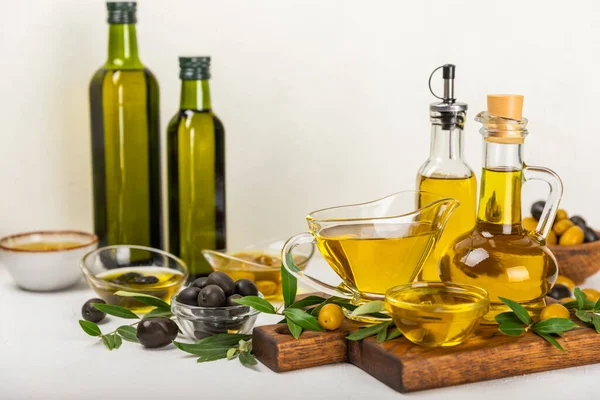
Few nutrition topics have become as controversial in recent years as the debate over seed oils. Social media influencers, health podcasts, and online wellness communities often claim that seed oils are “toxic,” cause inflammation, and contribute to chronic disease. Others argue that these claims are exaggerated and not supported by the strongest scientific evidence.
At the center of the discussion is a comparison between commonly used seed oils—such as soybean, sunflower, safflower, corn, and canola oil—and extra virgin olive oil, a staple of the Mediterranean diet.
If you’re trying to understand the seed oils vs olive oil health debate, this evidence-based guide explains what researchers know, what remains controversial, and how to make practical choices for everyday health.
Quick Answer: Are Seed Oils or Olive Oil Healthier?
Both seed oils and olive oil can be part of a healthy diet. However, extra virgin olive oil has the strongest body of evidence supporting cardiovascular health, anti-inflammatory benefits, and long-term health outcomes. Claims that seed oils are inherently toxic or major drivers of inflammation are not strongly supported by current human research.
What Are Seed Oils?
Seed oils are vegetable oils extracted from plant seeds.
Common Seed Oils
- Soybean oil.
- Sunflower oil.
- Safflower oil.
- Corn oil.
- Canola oil.
- Grapeseed oil.
- Cottonseed oil.
These oils are widely used because they are:
✔ Affordable.
✔ Shelf-stable.
✔ Versatile for cooking.
✔ Common in packaged foods.
What Is Olive Oil?
Olive oil comes from pressing olives rather than seeds.
Types of Olive Oil
- Extra virgin olive oil (EVOO).
- Virgin olive oil.
- Refined olive oil.
Extra virgin olive oil is the least processed and contains naturally occurring antioxidants and beneficial plant compounds.
Why Has the Seed Oil Debate Become So Popular?
Much of the controversy centers around omega-6 fatty acids, particularly a fatty acid called linoleic acid.
Critics argue that:
- Modern diets contain too much omega-6.
- Excess omega-6 promotes inflammation.
- Seed oils contribute to chronic disease.
Supporters of seed oils argue that:
- Human studies generally do not show increased inflammation from normal consumption.
- Replacing saturated fat with unsaturated fats often improves heart-health markers.
- Many claims are based on theoretical mechanisms rather than clinical outcomes.
Seed Oils vs Olive Oil Health Debate: Understanding Fat Types
The key difference involves fatty acid composition.
Olive Oil
Olive oil is rich in:
Monounsaturated Fats
Particularly oleic acid.
These fats are associated with:
- Heart health.
- Improved cholesterol profiles.
- Better metabolic health.
Olive oil also contains antioxidant compounds called polyphenols.
Seed Oils
Most seed oils contain:
Polyunsaturated Fats (PUFAs)
Especially:
- Omega-6 fatty acids.
- Linoleic acid.
Some seed oils also contain smaller amounts of omega-3 fats.
Both monounsaturated and polyunsaturated fats are generally considered healthier than trans fats.
Do Seed Oils Cause Inflammation?
This is the most common claim in the debate.
What Social Media Often Says
“Seed oils cause inflammation.”
What Research Generally Shows
Human studies have not consistently demonstrated that normal dietary intake of linoleic acid increases inflammatory markers.
In fact, some research suggests replacing saturated fats with polyunsaturated fats may improve certain cardiovascular risk factors.
The Important Distinction
Many unhealthy foods contain seed oils, including:
- Fast food.
- Deep-fried foods.
- Packaged snacks.
- Ultra-processed foods.
This does not necessarily mean the oil itself is solely responsible for health outcomes.
Why Olive Oil Gets So Much Scientific Support
Olive oil benefits from decades of research.
1. Strong Mediterranean Diet Evidence
The Mediterranean dietary pattern is associated with:
- Lower cardiovascular risk.
- Better metabolic health.
- Reduced mortality risk.
Olive oil is a central component of this eating pattern.
2. Rich in Polyphenols
Extra virgin olive oil contains naturally occurring compounds that have antioxidant properties.
These compounds may contribute to its health benefits.
3. Heart Health Support
Research consistently links olive oil consumption with favorable cardiovascular outcomes.
Potential benefits include:
- Improved cholesterol balance.
- Better blood vessel function.
- Support for healthy blood pressure.
Seed Oils vs Olive Oil for Heart Health
Let’s compare them directly.
| Factor | Seed Oils | Extra Virgin Olive Oil |
|---|---|---|
| Unsaturated Fat Content | High | High |
| Heart-Healthy Evidence | Strong | Very Strong |
| Antioxidants | Lower | Higher |
| Polyphenols | Minimal | Rich Source |
| Mediterranean Diet Evidence | Limited | Extensive |
| Research Support | Good | Excellent |
Winner
Extra virgin olive oil generally has the strongest overall evidence base.
What About Cooking?
Different oils perform differently under heat.
Olive Oil
Suitable for:
- Salad dressings.
- Roasted vegetables.
- Sautéing.
- Everyday cooking.
Contrary to popular myths, extra virgin olive oil can be used for many cooking methods.
Seed Oils
Often used for:
- Baking.
- Frying.
- High-volume food preparation.
Some refined seed oils have relatively high smoke points.
The Real Problem: Ultra-Processed Foods
A major misunderstanding in the seed oils vs olive oil health debate is that people often blame seed oils for health problems caused by broader dietary patterns.
Many ultra-processed foods contain:
- Excess calories.
- Added sugars.
- Refined carbohydrates.
- Excess sodium.
- Seed oils.
The overall food product—not just the oil—is often the bigger issue.
Are Seed Oils Toxic?
Current evidence does not support the claim that seed oils are inherently toxic when consumed as part of a balanced diet.
The term “toxic” is frequently used online but lacks support from major nutrition and cardiovascular organizations.
That doesn’t mean unlimited consumption is ideal.
Like any dietary fat, moderation remains important.
Should You Replace Seed Oils With Olive Oil?
For many people, increasing olive oil intake may be beneficial.
Practical Approach
Use extra virgin olive oil for:
✔ Salad dressings.
✔ Vegetable dishes.
✔ Grain bowls.
✔ General cooking.
At the same time, there’s little evidence that occasional use of seed oils is harmful within an overall healthy diet.
Best Oils for an Anti-Inflammatory Diet
Many nutrition experts prioritize:
Excellent Choices
- Extra virgin olive oil.
- Avocado oil.
- Nuts and seeds.
- Fatty fish.
The overall dietary pattern matters far more than obsessing over a single ingredient.
Common Myths About Seed Oils
Myth 1: Seed Oils Automatically Cause Inflammation
Current human research does not consistently support this claim.
Myth 2: Olive Oil Is the Only Healthy Oil
Many oils can fit within a healthy eating pattern.
Myth 3: Eliminating Seed Oils Will Cure Chronic Disease
Health outcomes depend on numerous factors including:
- Overall diet.
- Physical activity.
- Sleep.
- Body weight.
- Smoking status.
- Genetics.
What Do Most Nutrition Experts Recommend?
Most evidence-based recommendations focus on:
✔ Eating more whole foods.
✔ Increasing vegetables and fruits.
✔ Limiting ultra-processed foods.
✔ Choosing unsaturated fats over trans fats.
✔ Using olive oil regularly.
✔ Maintaining balanced dietary patterns.
The emphasis is usually on overall nutrition quality rather than fear of a specific oil.
Frequently Asked Questions (FAQ)
Are seed oils unhealthy?
Seed oils are not universally considered unhealthy. Most concerns arise from online claims that are not strongly supported by current human evidence.
Is olive oil healthier than seed oils?
Extra virgin olive oil has stronger evidence supporting cardiovascular and long-term health benefits.
Do seed oils cause inflammation?
Current research does not consistently show that normal dietary intake of seed oils increases inflammation.
Should I stop using canola oil?
Most nutrition experts do not recommend avoiding canola oil entirely if it fits within a balanced dietary pattern.
Why do some people avoid seed oils?
Concerns often focus on omega-6 fatty acids, processing methods, and associations with ultra-processed foods.
What oil is best for everyday use?
Extra virgin olive oil is one of the most widely recommended oils due to its extensive research support.
Final Thoughts
The seed oils vs olive oil health debate has generated far more heat than light in recent years. While online discussions often portray seed oils as dangerous, the current body of human research does not support the idea that they are inherently toxic or major drivers of inflammation when consumed in reasonable amounts.
That said, extra virgin olive oil remains the gold standard among cooking oils because of its rich antioxidant content, strong cardiovascular evidence, and central role in the Mediterranean diet.
Instead of focusing on fear-based nutrition messages, most people will benefit more from eating fewer ultra-processed foods, increasing vegetables and fruits, consuming healthy fats, and following a sustainable dietary pattern. In that context, olive oil may deserve a larger place in your kitchen—but occasional use of seed oils is unlikely to determine your health outcomes.