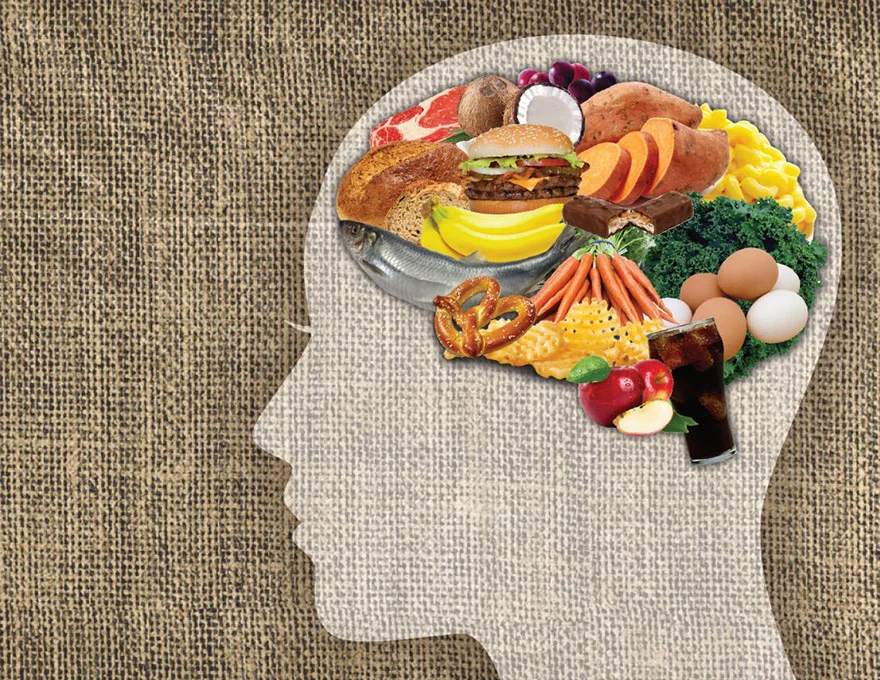
Everyone wants a sharper memory, better concentration, and sustained mental energy. Whether you’re managing a demanding career, studying for exams, caring for a family, or simply trying to stay mentally sharp as you age, brain health matters.
While no single food can instantly transform memory or concentration, neuroscience research consistently shows that certain dietary patterns and nutrients support cognitive function, brain aging, and overall neurological health.
If you’re looking for the best brain foods memory focus neuroscience research supports, this guide explains which foods may help and why they matter for long-term brain performance.
Quick Answer: What Are the Best Brain Foods for Memory and Focus?
The most evidence-supported brain foods include fatty fish, berries, leafy green vegetables, nuts, seeds, olive oil, eggs, legumes, and whole grains. These foods provide nutrients linked to cognitive function, memory, blood flow, and brain cell health.
How Food Affects the Brain
Your brain uses approximately 20% of the body’s energy despite representing only a small percentage of total body weight.
Brain function depends on:
- Steady energy supply
- Healthy blood flow
- Neurotransmitter production
- Inflammation regulation
- Nutrient availability
The foods you eat influence all of these processes.
Best Brain Foods Memory Focus Neuroscience Research Supports
Let’s examine the foods most consistently associated with cognitive health.
1. Fatty Fish
Why Neuroscientists Recommend It
Fatty fish provides omega-3 fatty acids, particularly:
- DHA (docosahexaenoic acid)
- EPA (eicosapentaenoic acid)
DHA is a major structural component of brain cells.
Best Choices
- Salmon
- Sardines
- Mackerel
- Trout
- Herring
Potential Benefits
- Cognitive support
- Healthy brain aging
- Improved brain cell function
2. Blueberries and Other Berries
Berries contain plant compounds called flavonoids.
Examples
- Blueberries
- Strawberries
- Blackberries
- Raspberries
Why They Matter
Flavonoids may support:
- Memory processes
- Brain communication pathways
- Healthy aging of brain cells
Berries are among the most frequently recommended foods in brain-health research.
3. Leafy Green Vegetables
Dark leafy greens are rich in:
- Folate
- Vitamin K
- Antioxidants
- Fiber
Excellent Options
- Spinach
- Kale
- Swiss chard
- Collard greens
Regular consumption is often associated with healthier cognitive aging.
4. Extra Virgin Olive Oil
A cornerstone of Mediterranean-style eating.
Key Components
- Monounsaturated fats
- Polyphenols
- Antioxidants
Potential Benefits
- Cardiovascular support
- Reduced oxidative stress
- Brain-friendly dietary pattern
Healthy blood vessels support healthy brain function.
5. Nuts
Nuts provide:
- Healthy fats
- Vitamin E
- Magnesium
- Plant compounds
Best Choices
- Walnuts
- Almonds
- Pistachios
- Hazelnuts
Walnuts are especially popular in brain-health discussions because of their omega-3 content.
6. Eggs
Eggs contain several nutrients involved in brain function.
Key Nutrients
- Choline
- Vitamin B12
- Protein
Choline contributes to the production of acetylcholine, a neurotransmitter involved in memory and learning.
7. Whole Grains
Your brain needs a steady supply of glucose.
Whole grains help provide sustained energy.
Examples
- Oats
- Brown rice
- Quinoa
- Whole wheat
- Barley
Compared with refined carbohydrates, whole grains may support more stable energy levels.
8. Legumes
Examples include:
- Lentils
- Chickpeas
- Black beans
- Kidney beans
Benefits include:
- Fiber
- Plant protein
- Slow-digesting carbohydrates
These foods help support metabolic health, which indirectly benefits brain function.
9. Avocados
Avocados contain:
- Healthy monounsaturated fats
- Fiber
- Potassium
These nutrients support cardiovascular health, which is closely connected to brain health.
10. Green Tea
Green tea contains:
- Antioxidants
- Catechins
- Moderate caffeine
Many people report improved alertness and concentration after consuming green tea.
The Brain-Gut Connection
Modern neuroscience increasingly recognizes the importance of gut health.
A healthy gut microbiome may influence:
- Mood
- Cognitive performance
- Stress responses
- Brain communication pathways
Gut-Friendly Foods
- Yogurt
- Kefir
- Fermented vegetables
- Fiber-rich foods
- Legumes
Supporting gut health may indirectly support brain health.
Nutrients Most Important for Memory and Focus
Rather than focusing on individual foods, it helps to understand the nutrients involved.
Omega-3 Fatty Acids
Sources:
- Fatty fish
- Walnuts
- Flaxseeds
B Vitamins
Sources:
- Eggs
- Legumes
- Whole grains
- Leafy greens
Antioxidants
Sources:
- Berries
- Vegetables
- Green tea
Magnesium
Sources:
- Nuts
- Seeds
- Beans
Protein
Sources:
- Fish
- Poultry
- Eggs
- Dairy
- Legumes
Protein provides amino acids used to make neurotransmitters.
Foods That May Hurt Memory and Focus
While no food is inherently “bad,” diets high in the following may be associated with poorer cognitive outcomes over time:
Excess Added Sugar
May contribute to:
- Blood sugar fluctuations
- Energy crashes
Ultra-Processed Foods
Often contain:
- Refined carbohydrates
- Excess sodium
- Added sugars
Excess Alcohol
Heavy alcohol intake may negatively affect cognitive function.
Best Dietary Pattern for Brain Health
Neuroscience research increasingly supports dietary patterns rather than individual superfoods.
Mediterranean-Style Eating
Common features include:
✔ Fish
✔ Vegetables
✔ Fruits
✔ Olive oil
✔ Nuts
✔ Whole grains
✔ Legumes
This dietary pattern consistently appears in studies examining cognitive aging and brain health.
Sample Brain-Healthy Day of Eating
Breakfast
- Oatmeal
- Blueberries
- Walnuts
Lunch
- Mixed greens salad
- Olive oil dressing
- Salmon
Snack
- Apple
- Almonds
Dinner
- Lentils
- Vegetables
- Quinoa
Beverage
- Water
- Green tea
This combination provides many nutrients associated with cognitive health.
Common Myths About Brain Foods
Myth 1: One Superfood Will Boost Your IQ
Brain health depends on overall dietary patterns.
Myth 2: Supplements Replace Healthy Eating
Whole foods provide nutrients in complex combinations that supplements cannot fully replicate.
Myth 3: Memory Decline Is Inevitable
Many lifestyle factors influence cognitive aging.
Myth 4: The Brain Only Benefits From Food Later in Life
Brain health habits matter throughout adulthood.
Lifestyle Habits That Enhance Brain Function
Nutrition works best when combined with:
Quality Sleep
Critical for memory consolidation.
Physical Activity
Supports blood flow and brain health.
Stress Management
Chronic stress can impair concentration.
Mental Stimulation
Learning and problem-solving help maintain cognitive flexibility.
Frequently Asked Questions (FAQ)
What are the best brain foods for memory and focus?
Fatty fish, berries, leafy greens, nuts, olive oil, eggs, legumes, and whole grains are among the most evidence-supported choices.
Do blueberries improve memory?
Blueberries contain flavonoids that have been studied for their potential cognitive benefits.
Is coffee good for focus?
Moderate caffeine may improve alertness and concentration in many individuals.
What nutrient is most important for brain health?
Several nutrients matter, including omega-3 fatty acids, B vitamins, antioxidants, and protein.
What diet is best for brain health?
Mediterranean-style eating is one of the most researched dietary patterns for cognitive health.
Can food prevent memory loss?
No single food can prevent memory loss, but long-term healthy dietary patterns may support cognitive aging.
Final Thoughts
The best brain foods memory focus neuroscience research supports are not exotic supplements or expensive superfoods. Instead, they are nutrient-dense whole foods that consistently appear in healthy dietary patterns associated with better cognitive function and healthy aging.
Fatty fish, berries, leafy greens, nuts, olive oil, eggs, legumes, and whole grains provide nutrients that support brain cells, blood flow, neurotransmitter production, and overall neurological health.
The most effective strategy is not searching for one miracle food. It’s building a sustainable eating pattern that nourishes your brain every day. Combined with exercise, quality sleep, stress management, and lifelong learning, these foods can help support memory, focus, and cognitive vitality for years to come.