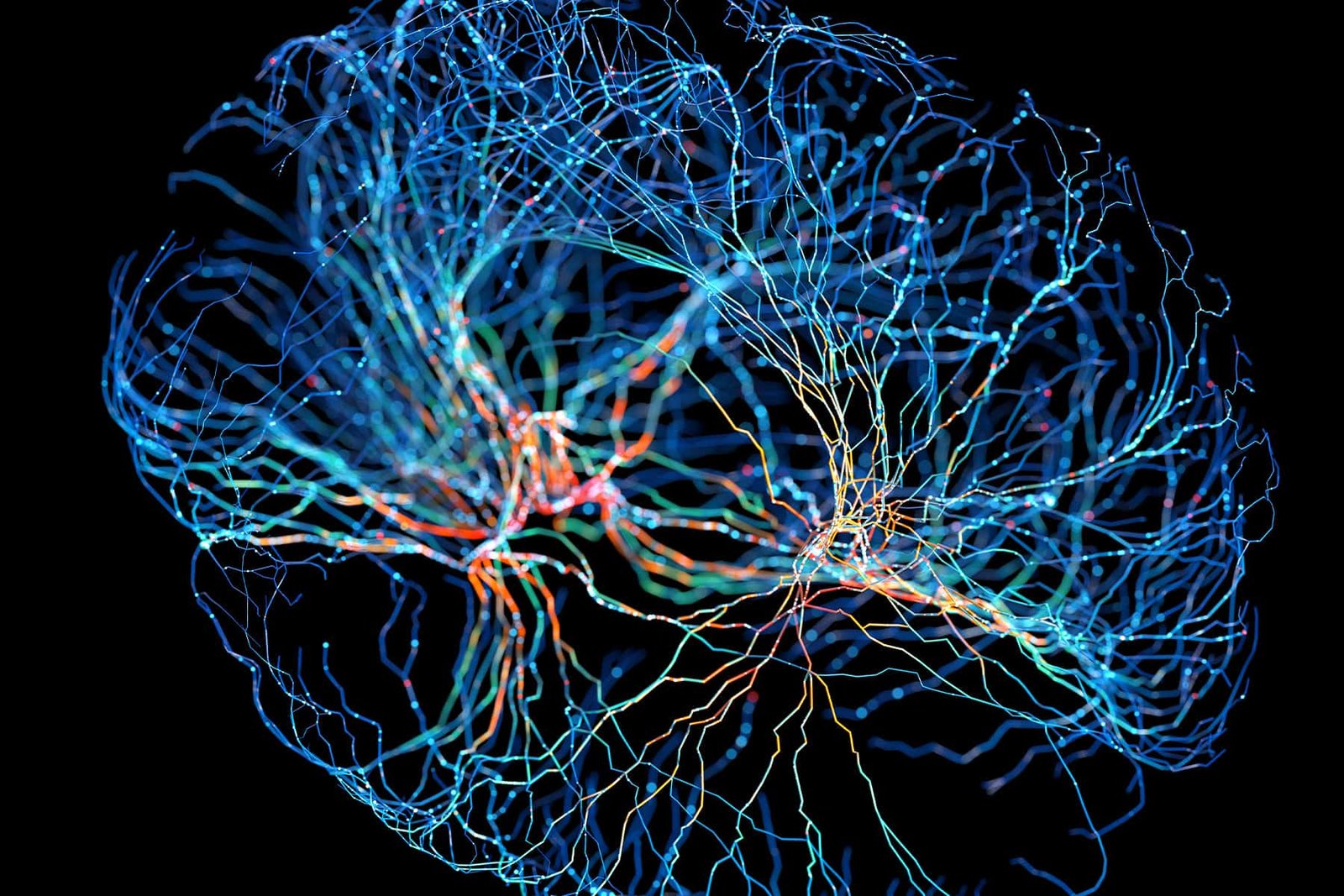
For decades, many people believed that once adulthood began, the brain was essentially fixed. The common saying was that adults could only lose brain cells—not gain them.
Modern neuroscience has dramatically changed that understanding.
Researchers now know that the adult brain remains far more adaptable than previously thought. While aging does bring changes, the brain continues to learn, reorganize, strengthen connections, and in certain areas may even generate new neurons throughout life.
This remarkable ability is called neuroplasticity.
If you’ve ever wondered whether neuroplasticity adults grow brain cells is actually possible, the answer is more encouraging—and more nuanced—than many people realize.
Quick Answer: Can Adults Grow New Brain Cells?
Yes, research suggests that certain regions of the adult brain retain the ability to generate new neurons, a process known as neurogenesis. Even more importantly, the adult brain can continuously form new connections, strengthen existing neural pathways, and adapt in response to learning, experience, exercise, and environmental changes through neuroplasticity.
What Is Neuroplasticity?
Neuroplasticity refers to the brain’s ability to:
- Adapt to new experiences
- Reorganize neural networks
- Form new connections
- Strengthen existing pathways
- Recover from certain injuries
- Learn new skills
In simple terms, neuroplasticity means your brain is not permanently “wired” in one fixed way.
It remains capable of change throughout life.
Neuroplasticity Adults Grow Brain Cells: Understanding the Science
There are two related concepts often confused:
Neuroplasticity
The brain’s ability to change and reorganize neural connections.
Neurogenesis
The creation of new neurons (brain cells).
Both occur in adulthood, although they are not the same process.
What Is Neurogenesis?
Neurogenesis refers to the formation of new neurons.
Research suggests this process may continue in specific brain regions throughout adulthood.
One area frequently studied is the:
Hippocampus
The hippocampus plays an important role in:
- Learning
- Memory formation
- Spatial navigation
Because of its role in memory, scientists are particularly interested in how neurogenesis may influence cognitive health and aging.
Why Neuroplasticity Matters More Than Growing New Cells
Many people focus on the idea of creating new brain cells.
However, neuroscience shows that strengthening neural connections is often even more important.
Think of it like this:
New Neurons Are Like New Computers
Neural Connections Are Like the Internet Network
The system becomes powerful when connections improve.
The brain constantly modifies these networks based on how you use them.
Examples of Neuroplasticity in Everyday Life
You experience neuroplasticity whenever you:
- Learn a language
- Master a musical instrument
- Develop a new habit
- Improve athletic skills
- Learn new technology
- Recover from mistakes
Each repetition strengthens specific neural pathways.
Can Older Adults Still Benefit From Neuroplasticity?
Absolutely.
Research consistently shows that the brain remains adaptable throughout life.
Even adults in their:
- 50s
- 60s
- 70s
- 80s
can develop new skills and strengthen cognitive abilities.
The pace of learning may change, but the ability to learn remains.
Factors That Support Neuroplasticity
Certain lifestyle habits appear to encourage healthy brain adaptation.
1. Regular Exercise
Exercise is one of the strongest lifestyle factors linked to brain health.
Potential Benefits
- Improved blood flow
- Enhanced brain signaling
- Support for hippocampal function
- Better cognitive performance
Activities such as walking, cycling, swimming, and strength training may all contribute.
2. Lifelong Learning
The brain thrives on challenge.
Examples
- Learning a language
- Taking a course
- Reading complex material
- Learning an instrument
- Developing new hobbies
Novel experiences stimulate neural adaptation.
3. Quality Sleep
Sleep is essential for:
- Memory consolidation
- Learning
- Neural repair
- Brain waste clearance
Poor sleep can negatively affect neuroplastic processes.
4. Social Interaction
Meaningful social engagement stimulates multiple brain networks simultaneously.
Benefits may include:
- Mental stimulation
- Emotional support
- Cognitive engagement
Social isolation may negatively affect cognitive health over time.
5. Stress Management
Chronic stress can interfere with healthy brain function.
Effective stress management strategies include:
- Meditation
- Mindfulness
- Exercise
- Deep breathing
- Time in nature
Reducing chronic stress supports overall cognitive health.
6. Brain-Healthy Nutrition
Certain dietary patterns are associated with healthier brain aging.
Frequently Recommended Foods
- Fatty fish
- Berries
- Leafy greens
- Nuts
- Olive oil
- Legumes
- Whole grains
The Mediterranean Diet is often highlighted in brain-health research.
Activities That Challenge the Brain
Not all mental activities are equally beneficial.
The brain responds most strongly when challenged.
Helpful Activities
✔ Learning new skills.
✔ Solving unfamiliar problems.
✔ Practicing memory tasks.
✔ Playing strategic games.
✔ Creative activities.
Simply repeating familiar tasks may provide less stimulation.
Can Neuroplasticity Help After Brain Injury?
Neuroplasticity plays an important role in recovery.
After certain injuries, the brain may adapt by:
- Reorganizing pathways
- Strengthening alternative networks
- Developing compensatory strategies
Recovery varies widely depending on the individual and the nature of the injury.
Neuroplasticity and Mental Health
Researchers also study neuroplasticity in relation to:
- Depression
- Anxiety
- Stress-related conditions
Learning new coping skills, therapy, exercise, and healthy lifestyle habits may influence neural pathways involved in emotional regulation.
Common Myths About Neuroplasticity
Myth 1: Adults Can’t Grow New Brain Cells
Modern neuroscience suggests that neurogenesis can occur in specific regions of the adult brain.
Myth 2: Brain Decline Is Completely Inevitable
While aging affects cognition, lifestyle factors significantly influence brain health.
Myth 3: You Can’t Learn New Skills After 50
Adults can learn throughout life, although learning methods and speed may change.
Myth 4: Brain Games Alone Transform the Brain
A variety of challenges, including physical activity, social interaction, and learning, appear most beneficial.
A Daily Neuroplasticity Routine
Morning
- Physical activity
- Hydration
- Brain-healthy breakfast
Afternoon
- Learn something new
- Read or study
- Practice focused work
Evening
- Social interaction
- Hobby practice
- Relaxation techniques
Night
- Consistent sleep schedule
Small habits practiced consistently can support long-term brain health.
Frequently Asked Questions (FAQ)
Can adults grow new brain cells?
Research suggests that neurogenesis can occur in certain areas of the adult brain, particularly the hippocampus.
What is neuroplasticity?
Neuroplasticity is the brain’s ability to adapt, reorganize, and form new neural connections throughout life.
Does exercise increase neuroplasticity?
Regular physical activity is strongly associated with brain health and may support neuroplastic processes.
Can older adults improve memory?
Yes. Learning, exercise, sleep, social engagement, and healthy lifestyle habits can support cognitive function at any age.
What foods support neuroplasticity?
Fatty fish, berries, leafy greens, nuts, olive oil, legumes, and whole grains are commonly recommended for brain health.
How long does neuroplasticity take?
Neuroplastic changes occur continuously, but noticeable improvements often require consistent practice and repetition over weeks or months.
Final Thoughts
The science behind neuroplasticity adults grow brain cells offers an encouraging message: the adult brain is far more adaptable than once believed. While aging brings natural changes, the brain remains capable of learning, forming new connections, strengthening existing networks, and in certain regions even generating new neurons.
More importantly, neuroplasticity means that your daily choices matter. Exercise, lifelong learning, quality sleep, stress management, social engagement, and brain-healthy nutrition all help shape how your brain functions over time.
You may not be able to stop aging, but neuroscience shows you can continue influencing your brain’s health, resilience, and performance throughout adulthood.