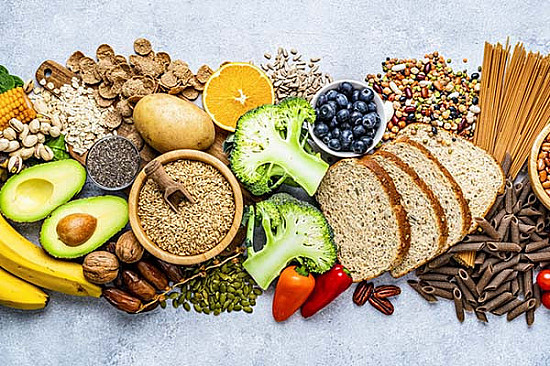
When people think about gut health, probiotics usually get most of the attention. However, probiotics are only part of the story. The beneficial bacteria already living in your digestive system also need nourishment—and that’s where prebiotics come in.
Prebiotics are types of dietary fiber and other compounds that humans cannot fully digest but that beneficial gut bacteria can use as fuel. By feeding these microbes, prebiotics help support a healthier and more diverse gut microbiome.
If you’re looking to improve your digestive health naturally, adding more prebiotic-rich foods to your diet is one of the most evidence-based strategies available.
What Are Prebiotics?
Prebiotics are substances that selectively nourish beneficial microorganisms in the gut.
Unlike probiotics, which are live microorganisms, prebiotics act as food for existing beneficial bacteria.
When gut bacteria ferment prebiotic fibers, they produce compounds called short-chain fatty acids, which help support:
- Gut lining health
- Digestive function
- Immune regulation
- Metabolic health
Why Are Prebiotics Important?
A healthy gut microbiome depends on diversity.
Beneficial bacteria thrive when they have access to fiber-rich foods.
Research suggests that diets rich in prebiotic foods may help support:
- Digestive health
- Regular bowel movements
- Gut microbial diversity
- Blood sugar regulation
- Overall metabolic health
The benefits extend beyond digestion and may influence broader aspects of health.
1. Garlic
Garlic
is one of the richest natural sources of prebiotic compounds.
It contains fibers that support beneficial bacteria while potentially discouraging some harmful microorganisms.
Easy ways to include garlic:
- Add to soups
- Use in stir-fries
- Mix into sauces
- Roast with vegetables
2. Onions
Onion
contain prebiotic fibers, including inulin and fructooligosaccharides.
Potential benefits include:
- Supporting beneficial gut bacteria
- Providing antioxidants
- Adding flavor without excess calories
Both raw and cooked onions contribute beneficial compounds.
3. Leeks
Leek
belong to the same plant family as garlic and onions.
They provide:
- Fiber
- Vitamins
- Prebiotic compounds
Leeks work well in soups, stews, and roasted vegetable dishes.
4. Asparagus
Asparagus
contains naturally occurring prebiotic fibers and numerous nutrients.
Benefits include:
- Fiber support
- Antioxidant compounds
- Low calorie content
Asparagus can be grilled, roasted, steamed, or added to salads.
5. Bananas (Especially Slightly Green Bananas)
Banana
contain resistant starch, particularly before they become fully ripe.
Resistant starch functions similarly to prebiotic fiber by nourishing beneficial gut bacteria.
Slightly green bananas typically contain more resistant starch than very ripe bananas.
6. Oats
Oat
provide a type of soluble fiber called beta-glucan.
Benefits include:
- Supporting digestive health
- Feeding beneficial gut microbes
- Promoting satiety
Oats are an easy breakfast option that supports both gut and heart health.
7. Apples
Apple
contain pectin, a soluble fiber that may act as a prebiotic.
Additional benefits include:
- Antioxidants
- Fiber
- Convenience as a snack
Eating the skin increases fiber intake.
8. Chicory Root
Chicory Root
is one of the richest known sources of inulin.
Many commercial fiber supplements and functional foods use chicory-derived inulin because of its strong prebiotic properties.
9. Jerusalem Artichokes
Jerusalem Artichoke
contain large amounts of inulin and are considered one of the most concentrated food sources of prebiotic fiber.
Some people experience increased gas when introducing them too quickly, so gradual intake may help.
10. Legumes
Legumes such as:
- Lentils
- Chickpeas
- Beans
provide:
- Fiber
- Resistant starch
- Plant protein
Regular consumption supports microbial diversity and digestive health.
11. Flaxseeds
Flaxseed
provide:
- Soluble fiber
- Insoluble fiber
- Omega-3 fatty acids
They can be added to:
- Oatmeal
- Smoothies
- Yogurt
- Baked foods
12. Whole Grains
Whole grains such as:
- Brown rice
- Barley
- Whole wheat
- Rye
contain fibers that help support beneficial gut bacteria.
Replacing refined grains with whole grains may improve overall microbiome health.
Prebiotics vs Probiotics: What’s the Difference?
| Prebiotics | Probiotics |
|---|---|
| Feed beneficial bacteria | Are beneficial bacteria |
| Found mainly in fiber-rich foods | Found in fermented foods and supplements |
| Support existing microbes | Add live microorganisms |
| Present in many fruits, vegetables, and grains | Present in yogurt, kefir, kimchi, and similar foods |
Both can play complementary roles in gut health.
How to Add More Prebiotics Without Digestive Discomfort
Increasing fiber too quickly may cause:
- Gas
- Bloating
- Abdominal discomfort
To reduce symptoms:
Increase Gradually
Add prebiotic foods slowly over several weeks.
Drink Enough Water
Fiber works best when accompanied by adequate hydration.
Diversify Sources
Rather than eating large amounts of one food, consume a variety of prebiotic-rich foods.
Foods That Support a Healthy Microbiome Overall
In addition to prebiotics, focus on:
Fruits and Vegetables
Aim for variety and color.
Fermented Foods
Examples include:
- Yogurt
- Kefir
- Kimchi
- Sauerkraut
Whole Plant Foods
A diverse plant-based diet supports microbial diversity.
Frequently Asked Questions
What is the best prebiotic food?
There is no single best option. Garlic, onions, leeks, asparagus, oats, bananas, legumes, and chicory root are among the richest sources.
How long does it take for prebiotics to help gut health?
Changes in gut microbial activity can occur within days, but long-term benefits generally require consistent dietary habits.
Can I get enough prebiotics from food?
Yes. Most people can obtain substantial amounts through a varied, fiber-rich diet.
Are prebiotic supplements necessary?
Not usually. Whole foods provide prebiotics along with vitamins, minerals, and other beneficial compounds.
Bottom Line
Prebiotics are the fuel that helps beneficial gut bacteria thrive. Some of the best prebiotic foods include garlic, onions, leeks, asparagus, bananas, oats, apples, legumes, flaxseeds, whole grains, chicory root, and Jerusalem artichokes. These foods support microbial diversity, digestive health, and overall well-being by nourishing the beneficial organisms already living in your gut.
Rather than focusing on a single superfood or supplement, the most effective approach is to eat a wide variety of fiber-rich plant foods consistently. Over time, this dietary pattern can help create a healthier and more resilient gut microbiome.