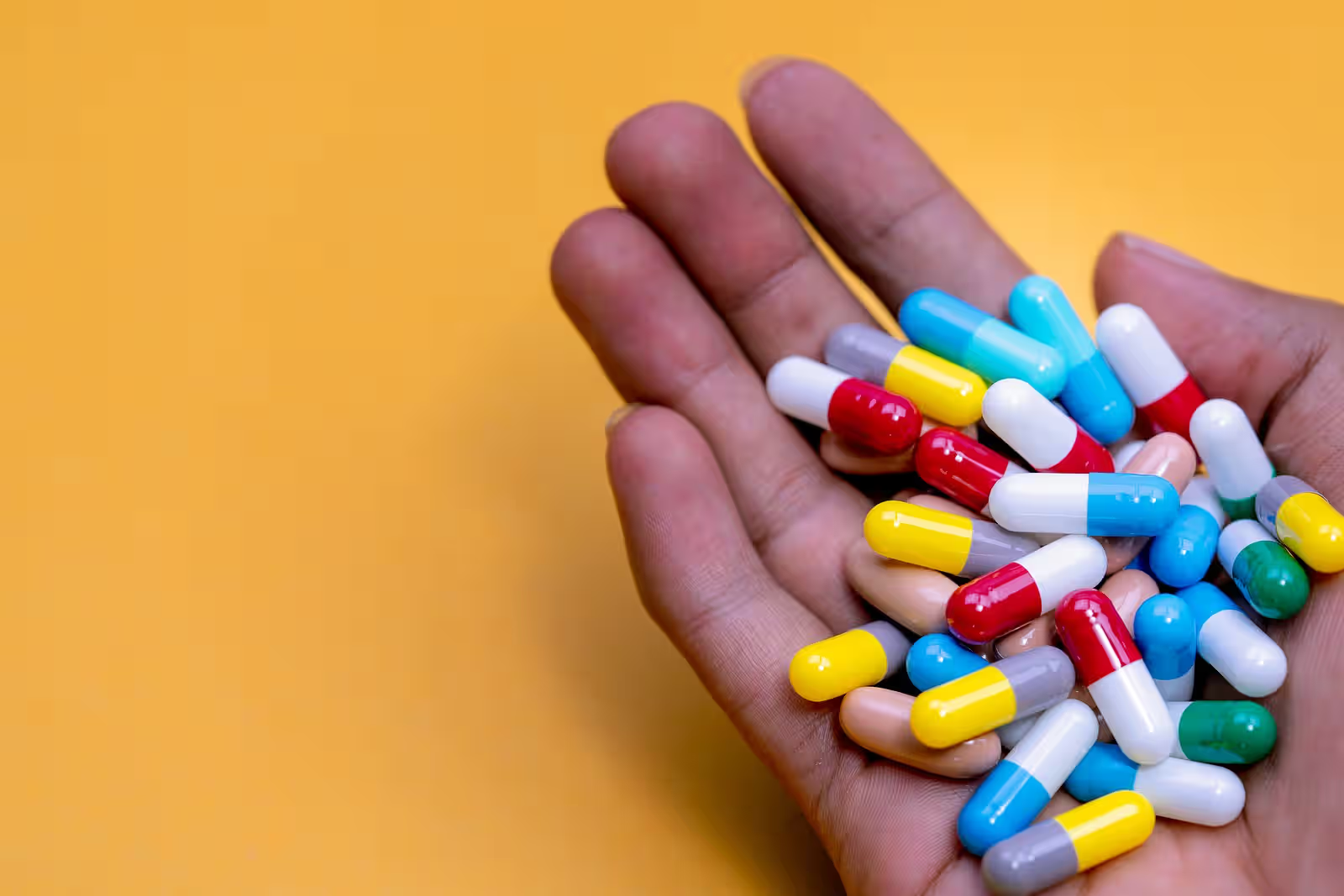
Millions of Americans take multiple medications every day, especially adults over 40. But many people don’t realize that combining certain drugs, supplements, or even foods can sometimes create dangerous interactions.
Some interactions may simply reduce a medication’s effectiveness. Others can increase risks for:
- Bleeding
- Dangerous heart rhythms
- Liver damage
- Sedation
- Falls
- Overdose
That’s why pharmacists carefully review prescriptions before they’re filled.
Understanding common drug interactions can help you use medications more safely and avoid preventable health emergencies.
What Is a Drug Interaction?
A drug interaction happens when:
- One medication changes how another works
- A supplement affects a prescription drug
- Food or alcohol alters medication effects
Interactions may:
- Strengthen effects too much
- Block medications from working properly
- Increase side effects
Why Older Adults Face Higher Risk
Adults over 50 are especially vulnerable because they often take:
- Multiple prescriptions
- Over-the-counter medications
- Vitamins and supplements
Age-related changes in:
- Liver function
- Kidney function
- Metabolism
can also affect how drugs are processed.
1. Blood Thinners + NSAID Pain Relievers
One of the most important interactions involves:
- Warfarin
or newer blood thinners
combined with:
- Ibuprofen
- Naproxen
- Other NSAID pain medications
This combination may greatly increase bleeding risk, including:
- Stomach bleeding
- Internal bleeding
Even over-the-counter pain relievers can become dangerous in this situation.
2. Opioids + Sedatives
Combining opioid pain medications with sedatives can dangerously suppress breathing.
Examples include:
- Opioids
- Sleeping pills
- Anti-anxiety medications
- Alcohol
This combination increases risk for:
- Overdose
- Falls
- Severe drowsiness
- Respiratory depression
3. Antidepressants + Certain Migraine Medications
Some combinations may increase risk for:
- Serotonin Syndrome
This rare but serious condition can involve:
- Agitation
- Rapid heart rate
- Fever
- Tremors
- Confusion
Risk may increase when multiple serotonin-affecting medications are combined.
4. Statins + Certain Antibiotics
Some antibiotics can raise statin levels in the body.
Examples may include interactions involving:
- Atorvastatin
and certain antibiotics or antifungals
This may increase risk for:
- Muscle injury
- Rare muscle breakdown complications
5. Blood Pressure Medications + Potassium Supplements
Certain blood pressure drugs may already raise potassium levels.
Adding:
- Potassium supplements
- Salt substitutes high in potassium
can sometimes cause dangerously high potassium, affecting:
- Heart rhythm
- Muscle function
6. Alcohol + Common Medications
Alcohol interacts with many medications, including:
- Sleep medications
- Antidepressants
- Painkillers
- Diabetes medications
Possible risks include:
- Sedation
- Liver damage
- Low blood sugar
- Falls
7. Antibiotics + Dairy or Antacids
Some antibiotics do not absorb properly when taken with:
- Calcium
- Dairy products
- Antacids
This can reduce effectiveness significantly.
Timing instructions matter with certain medications.
8. Grapefruit Juice Interactions
Grapefruit affects enzymes that metabolize some medications.
It may dangerously increase levels of certain:
- Statins
- Heart medications
- Immune drugs
Not all medications are affected, but some interactions are serious.
9. Multiple Medications That Cause Drowsiness
Even non-prescription drugs can combine dangerously.
Examples include:
- Antihistamines
- Sleep aids
- Opioids
- Anxiety medications
Combined sedation increases risk for:
- Falls
- Car accidents
- Confusion
especially in older adults.
Supplements Can Interact Too
“Natural” does not always mean safe.
Supplements that may interact with medications include:
- St. John’s wort
- Ginkgo
- High-dose vitamin K
- CBD products
Some supplements affect:
- Blood clotting
- Liver metabolism
- Medication absorption
Why Pharmacists Matter So Much
Pharmacists are specially trained to identify:
- Dangerous combinations
- Duplicate medications
- Dosing problems
- Timing issues
They often catch interactions before patients even notice symptoms.
Signs of a Possible Drug Interaction
Possible warning signs include:
- Sudden dizziness
- Confusion
- Excessive drowsiness
- Unusual bleeding
- Rapid heart rate
- Severe nausea
- Muscle pain
- Breathing problems
Symptoms may appear soon after starting or changing medications.
Always Tell Doctors About EVERYTHING You Take
Many patients forget to mention:
- Supplements
- Over-the-counter medications
- Herbal products
These can still create major interactions.
Bring a complete medication list to appointments.
One Pharmacy Is Often Safer Than Multiple Pharmacies
Using the same pharmacy consistently may help pharmacists:
- Detect interactions more easily
- Monitor medication history
- Prevent duplicate prescriptions
Don’t Stop Medications Suddenly Without Advice
Stopping certain medications abruptly can be dangerous.
This is especially true for:
- Antidepressants
- Blood pressure medications
- Steroids
- Seizure medications
- Opioids
Always speak with a healthcare provider first.
Questions to Ask Your Pharmacist
Helpful questions include:
- Can this interact with my other medications?
- Should I avoid alcohol with this?
- Should this be taken with food?
- Are there supplements I should avoid?
- What side effects require urgent attention?
Pharmacists are one of the most underused healthcare resources in America.
Emergency Symptoms That Need Immediate Care
Seek urgent medical attention for:
- Trouble breathing
- Severe confusion
- Fainting
- Chest pain
- Severe allergic reactions
- Uncontrolled bleeding
These may indicate dangerous medication reactions.
Bottom Line
Drug interactions are more common than many people realize—especially in adults taking multiple prescriptions, supplements, or over-the-counter medications. Some interactions are mild, while others can become life-threatening.
Pharmacists play a critical role in identifying dangerous combinations, but patients can improve safety by keeping updated medication lists, using one pharmacy when possible, and asking questions before starting anything new—including supplements and herbal products.