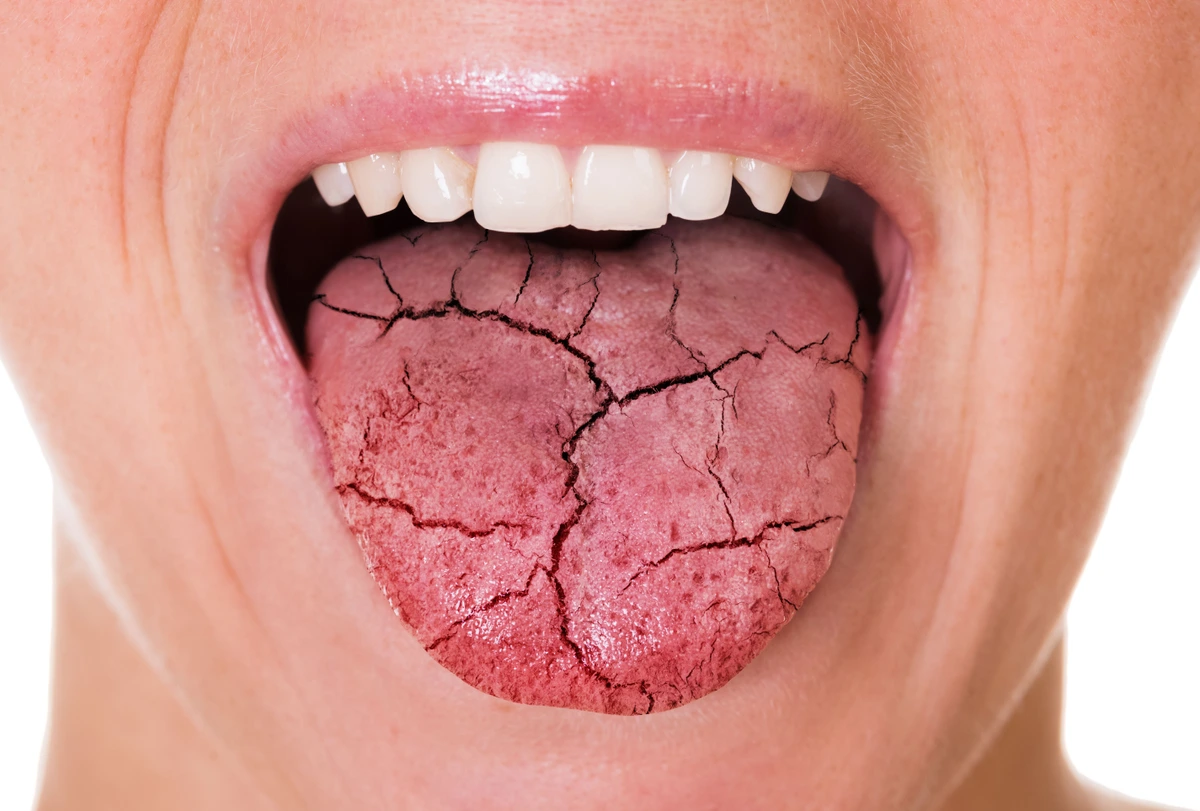
Waking up with a sticky, dry feeling in your mouth or constantly reaching for water? You might be dealing with Xerostomia—commonly known as dry mouth.
It’s more than just uncomfortable. Saliva plays a key role in protecting your teeth, aiding digestion, and keeping your mouth healthy. When it’s lacking, problems can follow.
Why Dry Mouth Happens
Dry mouth occurs when your salivary glands don’t produce enough saliva. There isn’t just one cause—often, it’s a mix of factors.
1. Medications (The #1 Cause)
Hundreds of commonly used medications in the U.S. can reduce saliva, including:
- Antihistamines (for allergies)
- Antidepressants
- Blood pressure medications
- Decongestants
2. Dehydration
Not drinking enough water, especially in hot weather or after exercise, can quickly lead to dryness.
3. Mouth Breathing or Snoring
Sleeping with your mouth open dries out saliva overnight—often worse if you have nasal congestion.
4. Smoking or Vaping
Tobacco and nicotine products irritate salivary glands and reduce saliva flow.
5. Medical Conditions
Certain conditions are strongly linked to dry mouth, such as:
- Diabetes
- Sjogren’s Syndrome
- Nerve damage or autoimmune diseases
6. Aging
Dry mouth becomes more common with age, often due to medication use rather than aging itself.
Symptoms You Shouldn’t Ignore
Dry mouth isn’t just about thirst. Watch for:
- Sticky, dry feeling in the mouth
- Cracked lips or sores at the corners
- Difficulty chewing, swallowing, or speaking
- Bad breath
- Increased tooth sensitivity or cavities
Over time, low saliva can increase your risk of Tooth Decay and gum disease.
What Actually Helps: Effective Remedies
1. Hydrate Consistently
- Sip water throughout the day (not just when thirsty)
- Keep water by your bedside at night
2. Stimulate Saliva Naturally
- Chew sugar-free gum
- Suck on sugar-free lozenges
These trigger your salivary glands to produce more moisture.
3. Adjust Your Diet
- Limit caffeine and alcohol (both are drying)
- Avoid salty or spicy foods if irritation is present
- Eat water-rich foods (like cucumbers, oranges)
4. Use a Humidifier at Night
Adding moisture to the air can help prevent overnight dryness—especially in air-conditioned or heated rooms.
5. Switch Oral Care Products
- Use alcohol-free mouthwash
- Choose toothpaste designed for dry mouth
6. Review Your Medications
If dry mouth started after a new prescription, talk to your doctor. Sometimes doses can be adjusted or alternatives considered.
Medical Treatments (If Home Remedies Aren’t Enough)
If symptoms persist, a healthcare provider may recommend:
- Prescription saliva stimulants
- Artificial saliva products
- Treating underlying conditions (like diabetes or autoimmune disorders)
When to See a Doctor or Dentist
Don’t ignore ongoing symptoms. Get checked if:
- Dry mouth lasts more than a few weeks
- You have frequent cavities or gum issues
- You struggle to swallow or speak comfortably
The Bottom Line
Dry mouth might seem minor, but it can signal deeper issues and lead to serious dental problems if ignored.
The good news? Most cases improve with simple changes—hydration, better oral care, and addressing the root cause.
If it’s persistent, don’t just manage it—get it evaluated. Your mouth (and your overall health) will thank you.