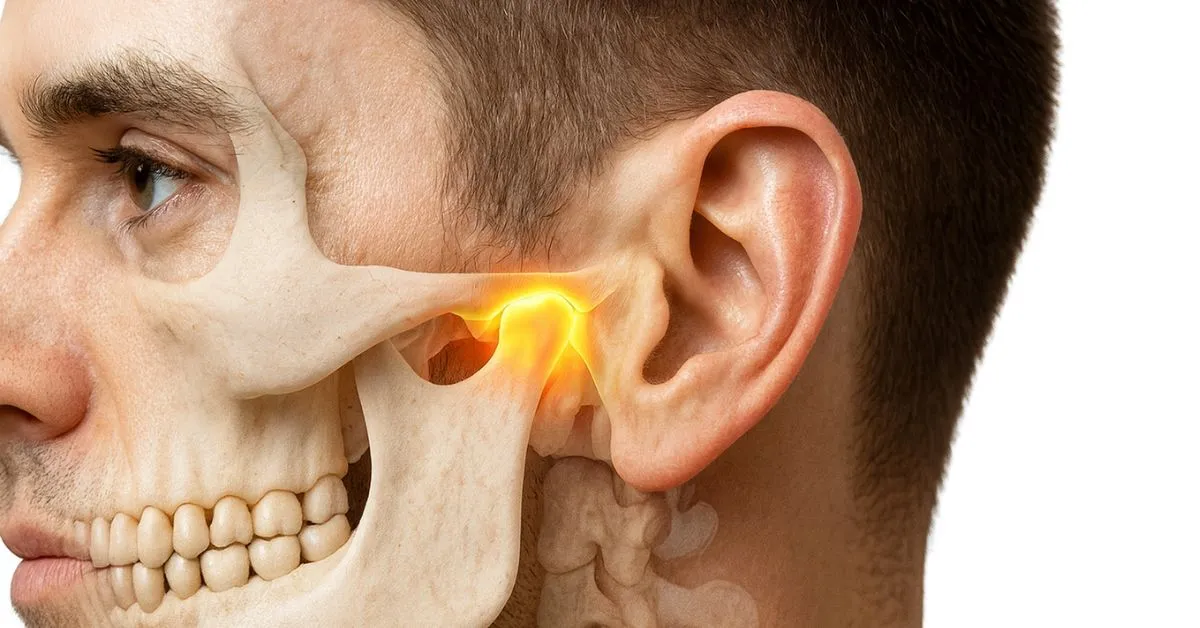
Jaw pain that won’t go away? Clicking when you chew? Morning headaches that start near your temples? These are classic signs of Temporomandibular Joint Disorder—a condition affecting the joint that connects your jaw to your skull.
It’s common, often misunderstood, and in many cases very treatable once you know what’s driving it.
What Is the TMJ (and Why It Matters)
The temporomandibular joint sits just in front of your ears and acts like a sliding hinge. You use it constantly—to talk, eat, yawn, and even breathe.
When the joint, surrounding muscles, or bite mechanics are off, you get TMJ disorder (TMD).
Symptoms Most People Miss
TMJ doesn’t always show up as obvious jaw pain. Watch for:
Jaw & Face
- Aching or tenderness around the jaw
- Clicking, popping, or grinding sounds
- Jaw locking or stiffness
Head & Ears
- Frequent headaches or “tension” headaches
- Ear pain or pressure (without infection)
- Ringing in the ears (tinnitus)
Daily Clues
- Pain when chewing or biting
- Difficulty opening your mouth wide
- A bite that suddenly feels “off”
What Causes TMJ Problems?
It’s rarely just one thing—usually a combination:
1. Teeth Grinding (Often at Night)
Bruxism puts constant pressure on the joint, especially during sleep.
2. Stress & Muscle Tension
Clenching your jaw during the day (even unconsciously) is a major trigger.
3. Injury or Trauma
Accidents, sports injuries, or even dental procedures can irritate the joint.
4. Joint Conditions
Inflammatory or degenerative issues like Osteoarthritis can affect the TMJ.
5. Bite Misalignment
If your teeth don’t come together properly, your jaw compensates—leading to strain.
What Actually Helps (Backed by Real Practice)
Most TMJ cases improve with conservative treatment—no surgery needed.
1. Simple At-Home Relief
- Apply warm compresses (10–15 minutes)
- Switch to softer foods temporarily
- Avoid chewing gum or hard foods
- Don’t force wide mouth opening
2. Jaw Relaxation Techniques
- Keep your tongue resting on the roof of your mouth
- Let your teeth stay slightly apart when relaxed
3. Stress Reduction
Since tension fuels TMJ:
- Try breathing exercises
- Improve sleep quality
- Reduce caffeine if it worsens clenching
4. Night Guards (Highly Effective)
Custom dental mouthguards protect your teeth and reduce strain from grinding.
5. Medications (Short-Term Support)
- Anti-inflammatory meds like Ibuprofen
- Muscle relaxants (if prescribed)
6. Physical Therapy
Targeted therapy can restore jaw movement and reduce chronic pain.
When It’s More Serious
See a dentist or specialist if you notice:
- Jaw locking or getting “stuck”
- Pain lasting more than a few weeks
- Difficulty eating or speaking
- Severe headaches linked to jaw movement
Early treatment prevents long-term joint damage.
The Bottom Line
TMJ disorder can feel frustrating—but it’s often manageable and reversible with the right steps. The key is catching the signs early and reducing the strain on your jaw.
Small changes—like managing stress, protecting your teeth at night, and avoiding overuse—can make a big difference in how your jaw feels every day.